


Hook both ends of the ratchet strap to something.

Fold the ratchet as shown in the picture below. Then insert the open end of the other strap “through” the ratchet cylinder.
Continue reading How to Use a Ratchet StrapHook both ends of the ratchet strap to something.
Fold the ratchet as shown in the picture below. Then insert the open end of the other strap “through” the ratchet cylinder.
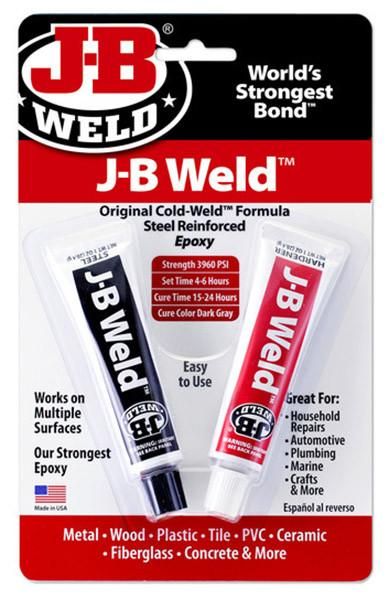
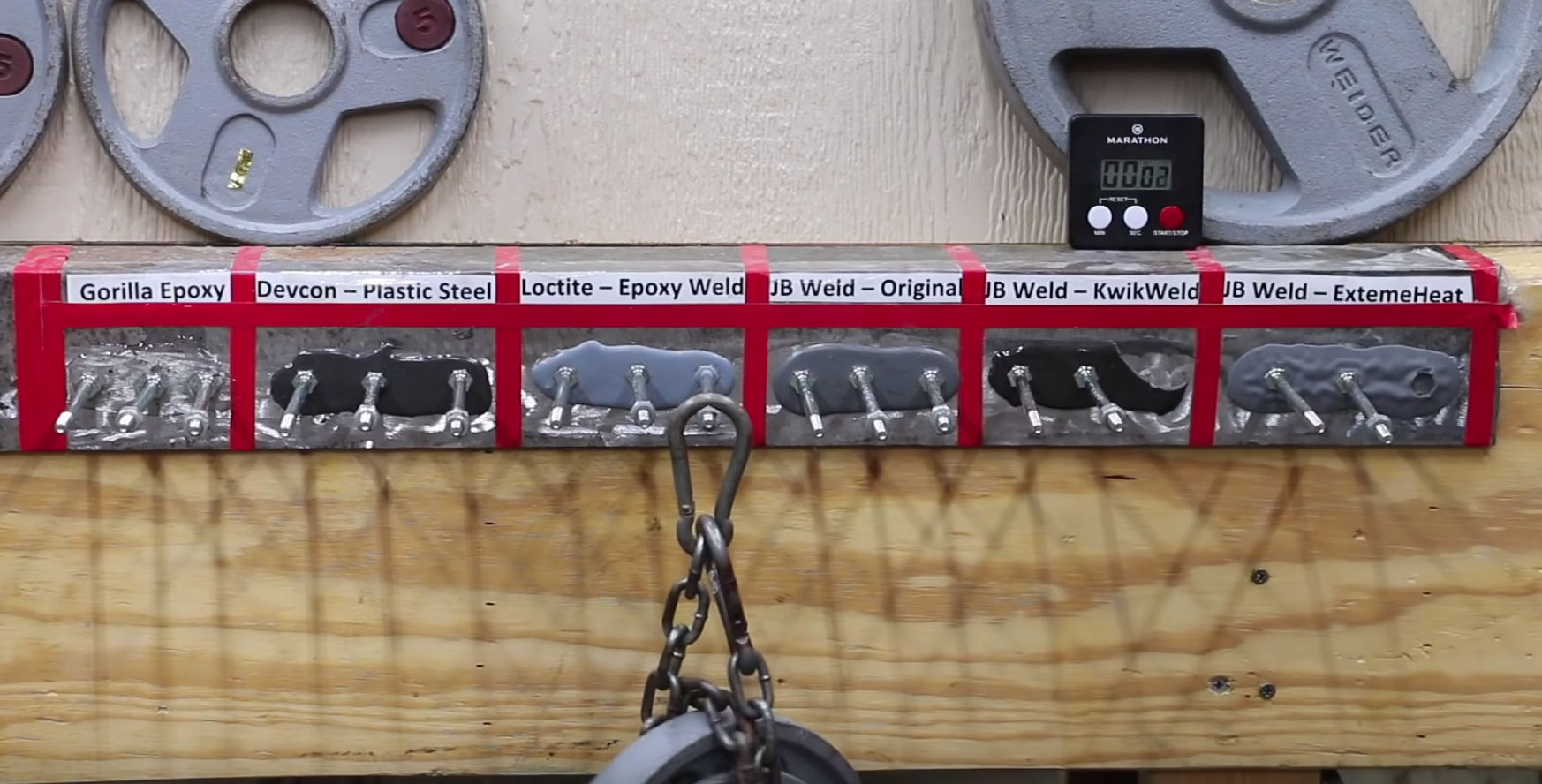
Continue reading How to Use a Ratchet StrapHere’s an interesting video comparing the bond strengths of various epoxies. Overall, the JB Weld – Original wins the test. Don’t get JB Weld – KwikWeld or ExtremeHeat as they are weak.

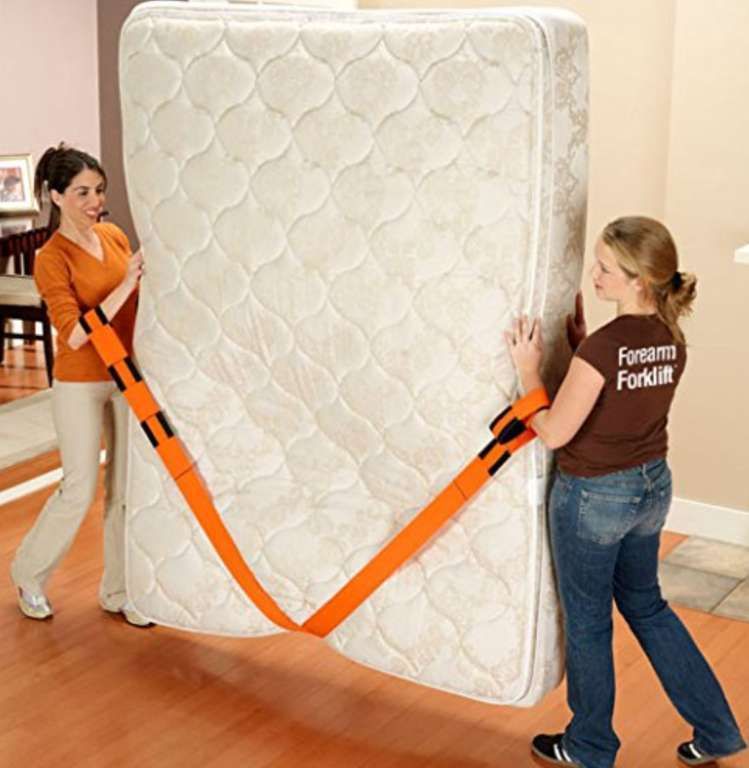
Place these large 9-1/2″ x 5-3/4″ sliders under your furniture and easily slide your furniture over carpet.
$10 for a pack of 4 sliders on Amazon

If you need to only create 2d house floor plans, I personally have found Lucidchart to be easy to learn and intuitive to use.
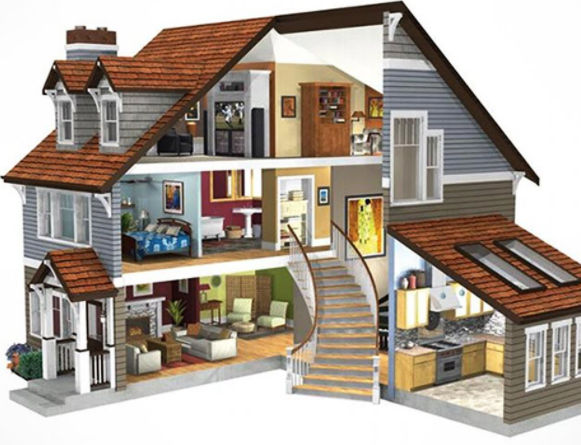
If you need to create 3d house floor plans, I have found Live Home 3D to offer the best features for the price. At $10 (on sale), you can easily create 2d and 3d home plans. You download and install the program which allows for faster 3d rendering. My typical workflow to design a house is as follows:
1. Create a room by clicking the Room button
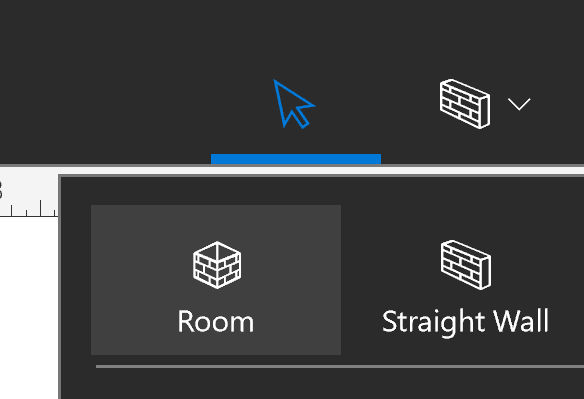
2. Draw a room (2d) by dragging the shape of a rectangle

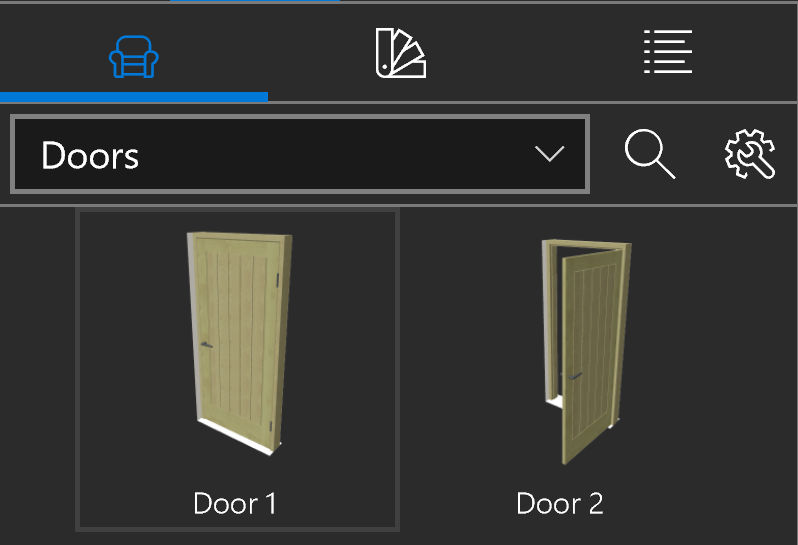
3. Pick a door style
When you need to tighten a rope to hold something in place, e.g. a tent, cargo in a pickup truck, a leaning tree, bed sheets, etc, you might think you’ll need to tie a knot. Not only is it difficult to tie a knot without losing tension in the rope, it’s a hassle and often difficult untying the knot. Ratchet straps are easier to use but are overkill for non-heavy duty situations. A simpler solution is to use a figure 9.
Here, I used a figure 9 to hold a leaning tree in place.

You can purchase Figure 9s at REI. One brand is Nite-ize but there’s also generic ones on Amazon for less.
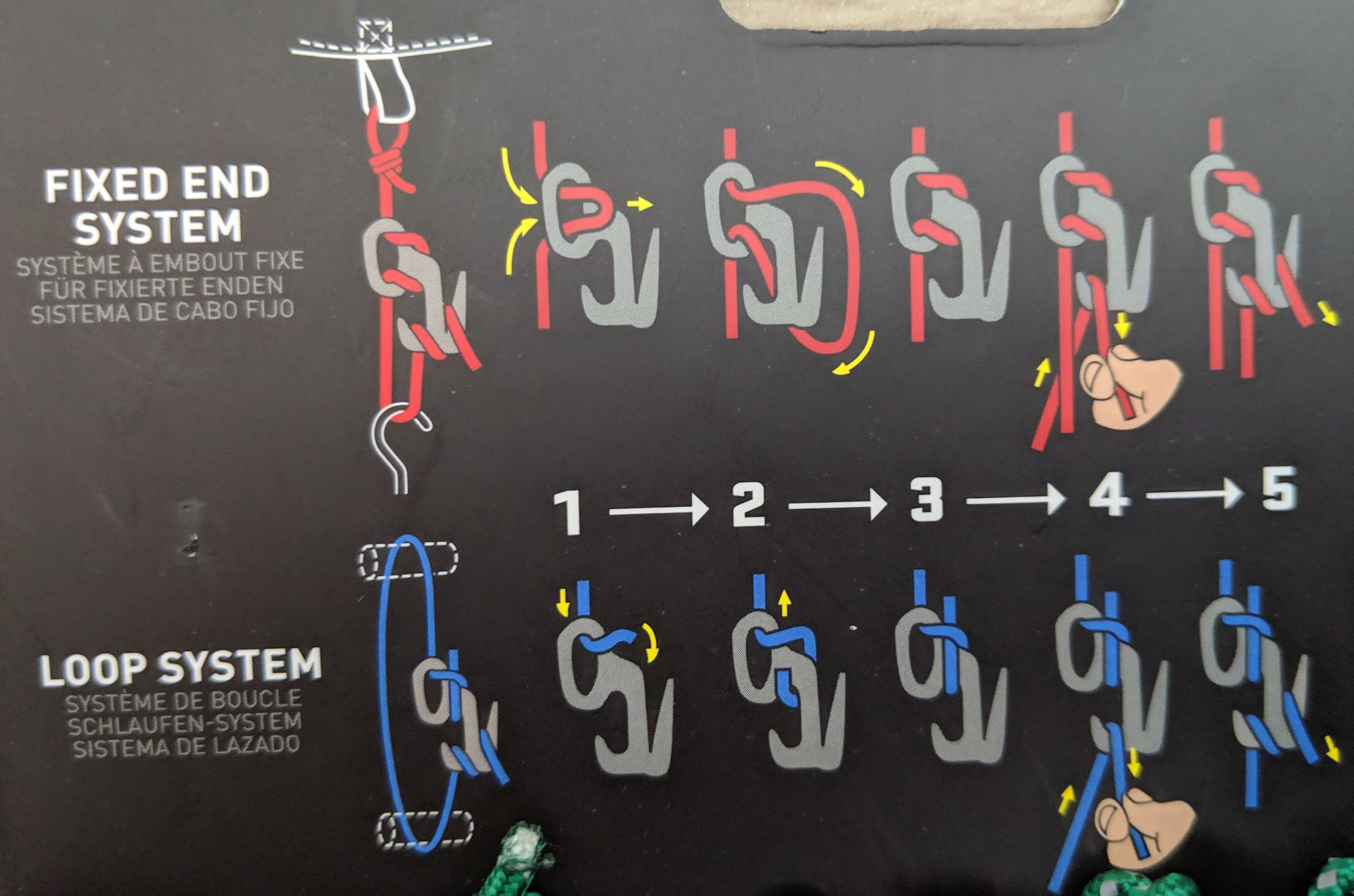
This are two ways to tighten a rope using a Figure 9.
I recently worked on a project to replace my stair’s handrails. I bought the unfinished handrails at Home Depot and then stained them easily as follows.
Note: Applying anything wet, e.g. stain, to wood will cause the grain to rise resulting in bumps. If, after the first coat of stain, you notice bumpiness, then sand it down with 220 grit sandpaper until the bumps are gone and then restain the wood. This first coat following by the sanding process serves as a sort of “primer” to prepare the surface.
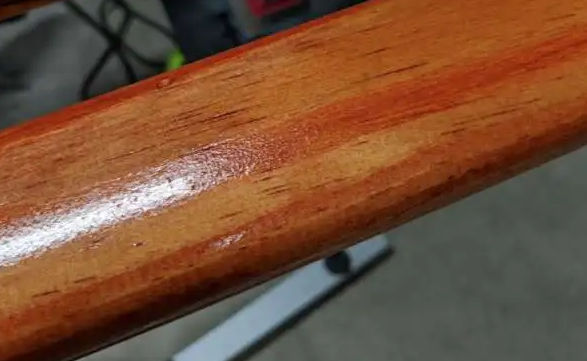
The tricky part was getting the protective finish coat on. I wanted a shiny, smooth, glossy handrail. After trying different products and processes, here’s my advice.
Lacquer is sticky and seemingly more toxic. My eyes felt weird even though none of it gone in them. A bit of lacquer got on my hands and cleaning my hands were a hassle and temporarily messed up my skin. The fumes were so strong I could smell some of it in other rooms of my house. Cleaning the brush used to apply the lacquer was impossible so it had to be thrown away.
Polyurethane is also toxic but the water based kind is easy to clean by simply rinsing with water and it doesn’t smell as much. I was able to easily rinse my brush so I could reuse it for additional coats.
Conclusion: Don’t even bother with lacquer. Just stick with polyurethane.
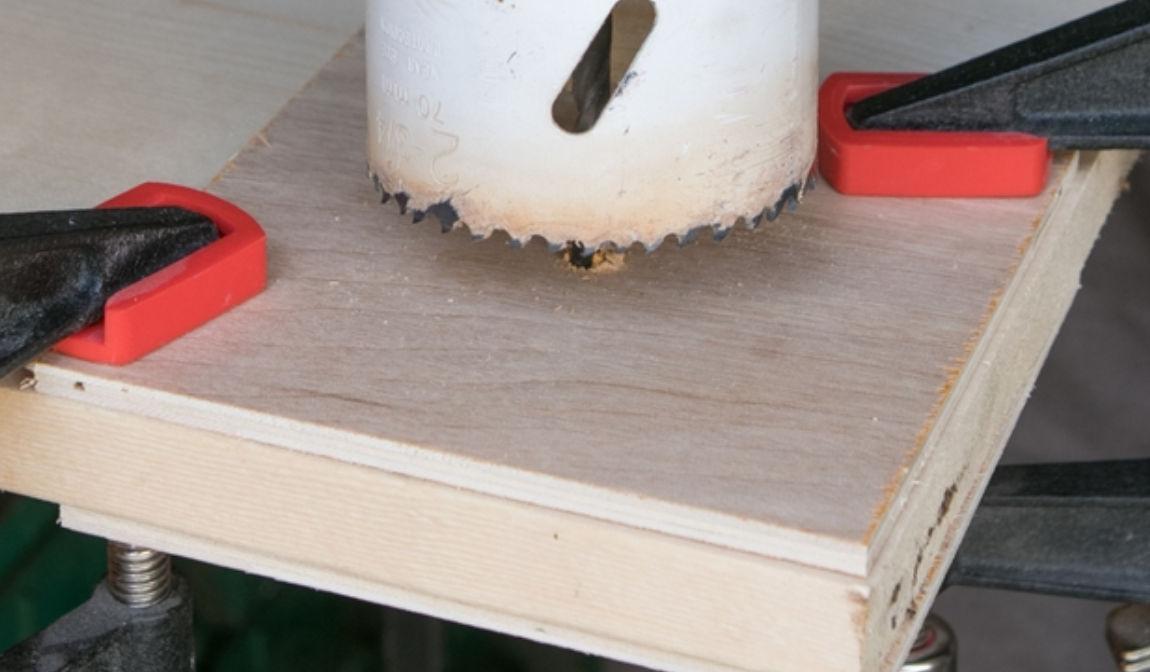
Continue reading How to Finish Wood With a Protective CoatThe other day I was drilling a hole in a wall to run a 3-prong extension cord through. I thought a 1 inch spade bit would do to create 1 inch diameter hole. Unfortunately, the plug end of the cord was still too big to fit through the hole. I couldn’t enlarge the hole using a hole saw bit

because that requires some material for the center shaft to bite in to.
Continue reading How to Enlarge a Hole in a WallWhen looking to buy a battery charger or power adapter for a device such as a phone or laptop, you may be unsure whether the one you buy will be sufficient or even blow up your device. Here are basic guidelines to keep in mind.
There will always come a time when you wish the noise outside your room in your home could go away and that the sound that you are making, e.g. from playing music to watching a movie, could not be heard by people in other rooms. There is a unit of measure called STC (Sound Transmission Control) that indicates how much of a sound can penetrate a wall. According to Wikipedia, here are common levels.
| STC | What can be heard |
|---|---|
| 25 | Normal speech can be understood quite easily and distinctly through wall |
| 30 | Loud speech can be understood fairly well, normal speech heard but not understood |
| 35 | Loud speech audible but not intelligible |
| 40 | Onset of “privacy” |
| 42 | Loud speech audible as a murmur |
| 45 | Loud speech not audible; 90% of statistical population not annoyed |
| 50 | Very loud sounds such as musical instruments or a stereo can be faintly heard; 99% of population not annoyed. |
| 60+ | Good soundproofing; most sounds do not disturb neighbouring residents. |
and here are different STC values by partition (wall) type.
| STC | Partition type |
|---|---|
| 27 | Single pane glass window (typical value) (Dual pane glass window range is 26-32) |
| 33 | Single layer of 1/2″ drywall on each side, wood studs, no insulation (typical interior wall) |
| 39 | Single layer of 1/2″ drywall on each side, wood studs, fiberglass insulation |
| 44 | 4″ Hollow CMU (Concrete Masonry Unit) |
| 45 | Double layer of 1/2″ drywall on each side, wood studs, batt insulation in wall |
| 46 | Single layer of 1/2″ drywall, glued to 6″ lightweight concrete block wall, painted both sides |
| 46 | 6″ Hollow CMU (Concrete Masonry Unit) |
| 48 | 8″ Hollow CMU (Concrete Masonry Unit) |
| 50 | 10″ Hollow CMU (Concrete Masonry Unit) |
| 52 | 8″ Hollow CMU (Concrete Masonry Unit) with 2″ Z-Bars and 1/2″ Drywall on each side |
| 54 | Single layer of 1/2″ drywall, glued to 8″ dense concrete block wall, painted both sides |
| 54 | 8″ Hollow CMU (Concrete Masonry Unit) with 1 1/2″ Wood Furring, 1 1/2″ Fiberglass Insulation and 1/2″ Drywall on each side |
| 55 | Double layer of 1/2″ drywall on each side, on staggered wood stud wall, batt insulation in wall |
| 59 | Double layer of 1/2″ drywall on each side, on wood stud wall, resilient channels on one side, batt insulation |
| 63 | Double layer of 1/2″ drywall on each side, on double wood/metal stud walls (spaced 1″ apart), double batt insulation |
| 64 | 8″ Hollow CMU (Concrete Masonry Unit) with 3″ Steel Studs, Fiberglass Insulation and 1/2″ Drywall on each side |
| 72 | 8″ concrete block wall, painted, with 1/2″ drywall on independent steel stud walls, each side, insulation in cavities |
Note that a typical interior wall has an STC value of 33.
Some options for increasing the STC value in your walls: