

Let’s say you want to install a bath exhaust fan in a bathroom that doesn’t have one. You’ll need to cut the wall or ceiling where the fan will go and you’ll also likely need to make holes in the wall or ceiling to run electrical wiring.
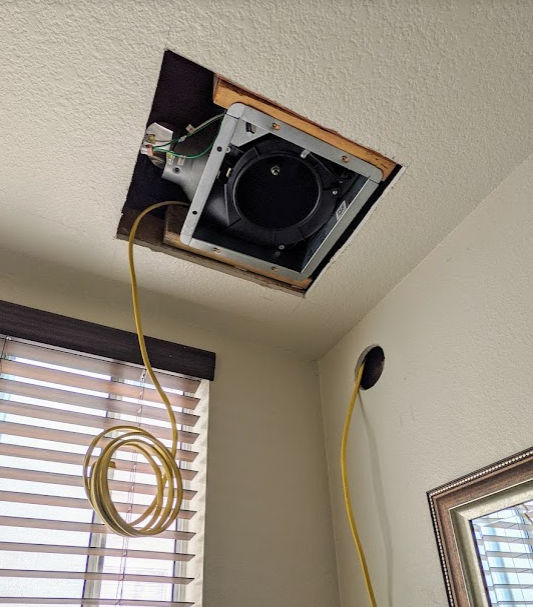
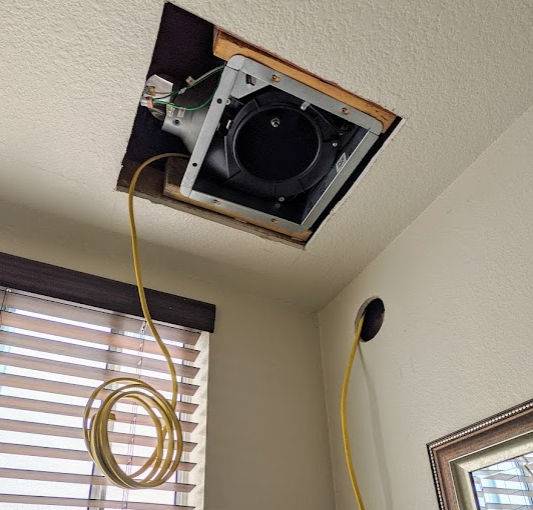
In the photo above, you can see that I made two types of openings:
- Circular opening
- Square opening
Making a Circular Opening
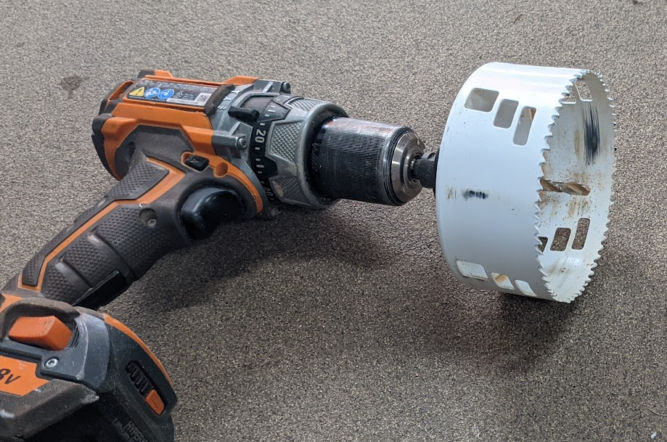
For the circular opening, I just used a hole saw attached to a drill. The benefit of this is it creates a clean, perfectly circular hole and you can reuse the cut drywall later to patch the hole. This type of hole can be made anywhere – it doesn’t need to be near or over a stud or joist.
Patching a Circular Opening
To patch a circular opening, I use a 1″x3″ piece of furring strip wood.
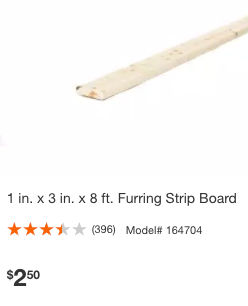
Partially drill a long screw in the middle of a piece of furring strip that is about 3 inches longer than the diameter of the hole. Insert the wood into the hole as pictured below. Then, drill 2 screws while pulling the long center screw so that the wood doesn’t move around. Now you’ve created a backing for the drywall to be screwed into.

Remove the center screw and screw the drywall into the wood.

Making a Square Opening
For a square opening in an existing wall, I find it easiest to use a drywall blade for an oscillating tool.
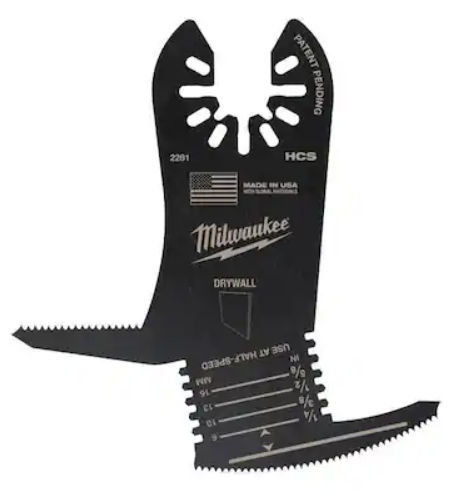
You can push or pull when cutting, and because the blade isn’t long, you most likely won’t accidentally cut any electrical cables. The only downside is the loud noise when using the oscillating tool.
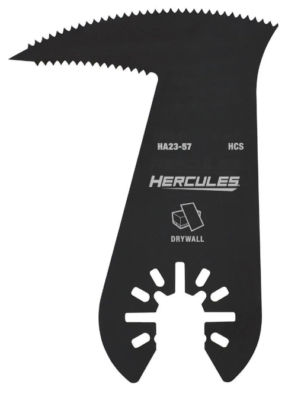
UPDATE 4/4/2026: I find the Hercules drywall blade to perform better than the Milwaukee one above. Having the serrated edge on both sides of the same blade also saves time when cutting. It’s also cheaper.
Patching a Square Opening
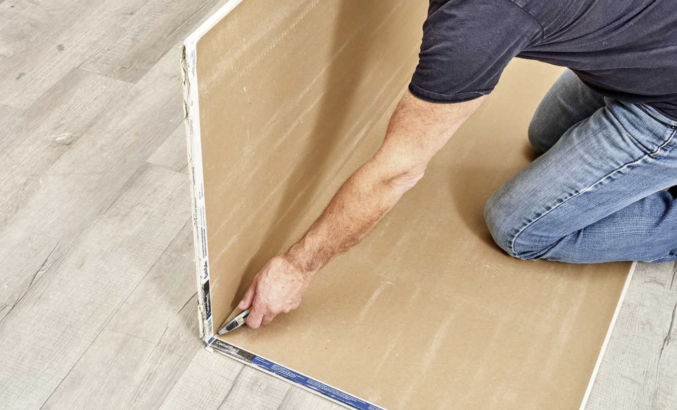
To cut a rectangular piece of drywall to patch a wall, I find it easier to score the drywall with a utility knife, snap it, then cut the paper using a utility knife.
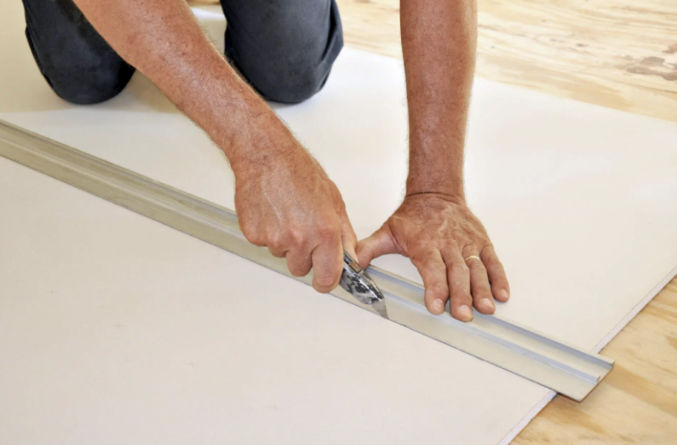
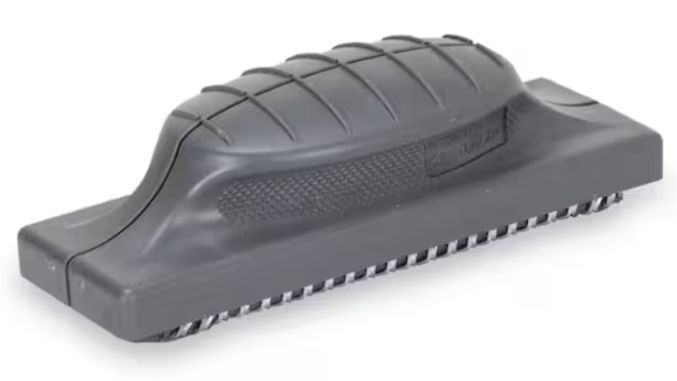
If the piece of drywall is a little too large to fit in the opening, use a drywall rasp to shave off some of the edges.
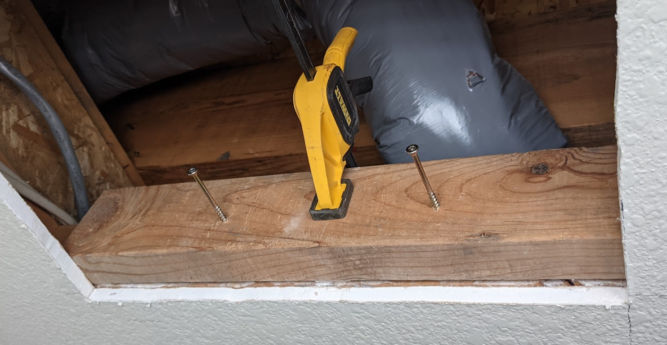
To patch a square opening, I use a 2×4 piece of wood to fur out the studs or joists to create a backing for the drywall will be screwed into. Pre-drive the screws into the wood a little bit and then clamp the wood to the joists to make fastening the wood piece easier. The 2×4 should be longer than the opening so you can position it such that the cut drywall will be level with the existing drywall when you go put it back in.
When you put the cut piece of drywall in the opening, if the four edges are not level with the four edges of the existing drywall, then you either must
- reposition the 2×4
- shim the 2×4 with something like cardboard shims
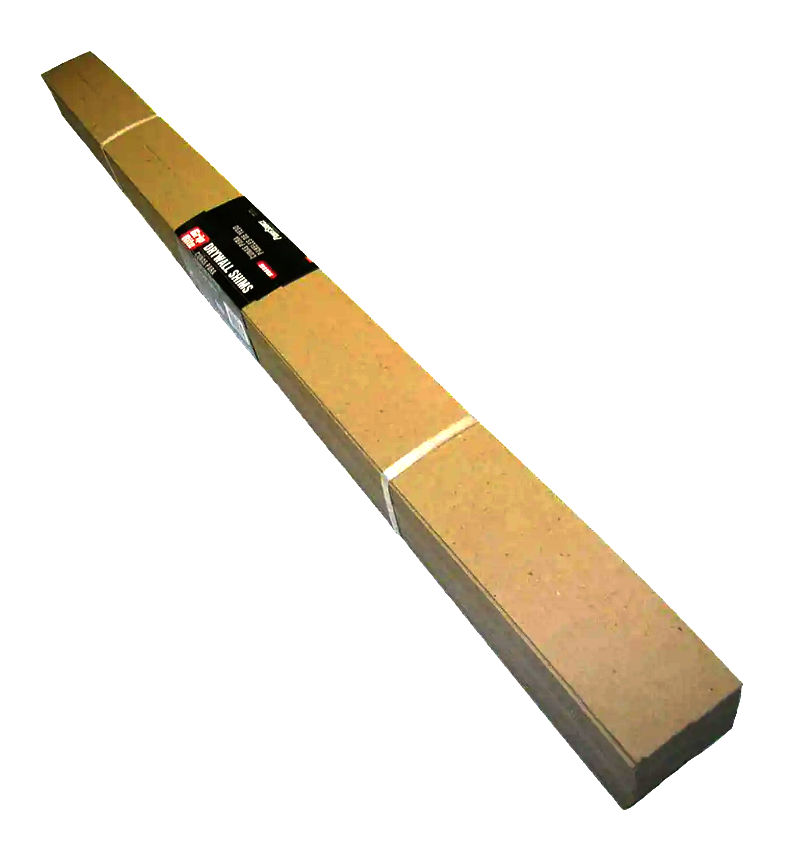
For example, in the picture below, I folded the shims 3 times for a 3-layer thick shim and stapled them to the 2×4 wood.
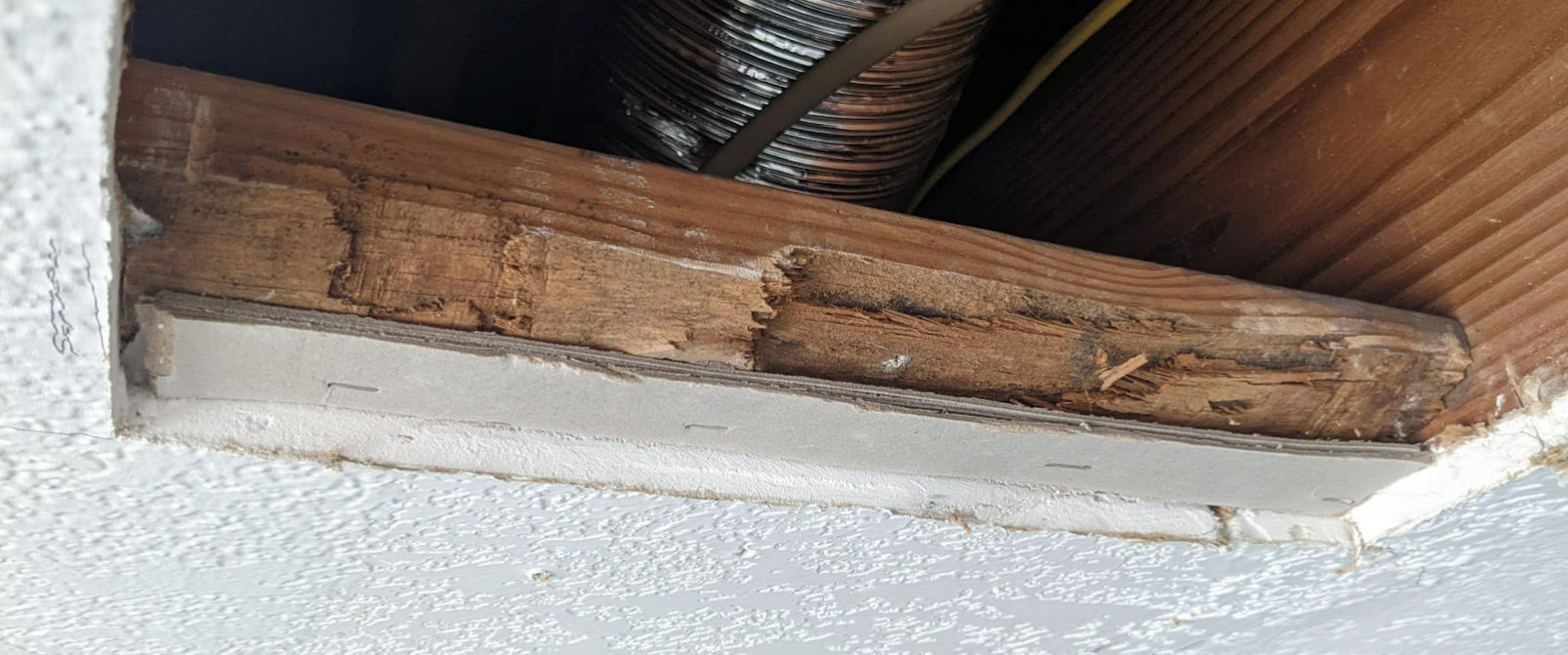
If the edges aren’t level, the results will be very bad and you will have a hard time creating an imperceivable patch.
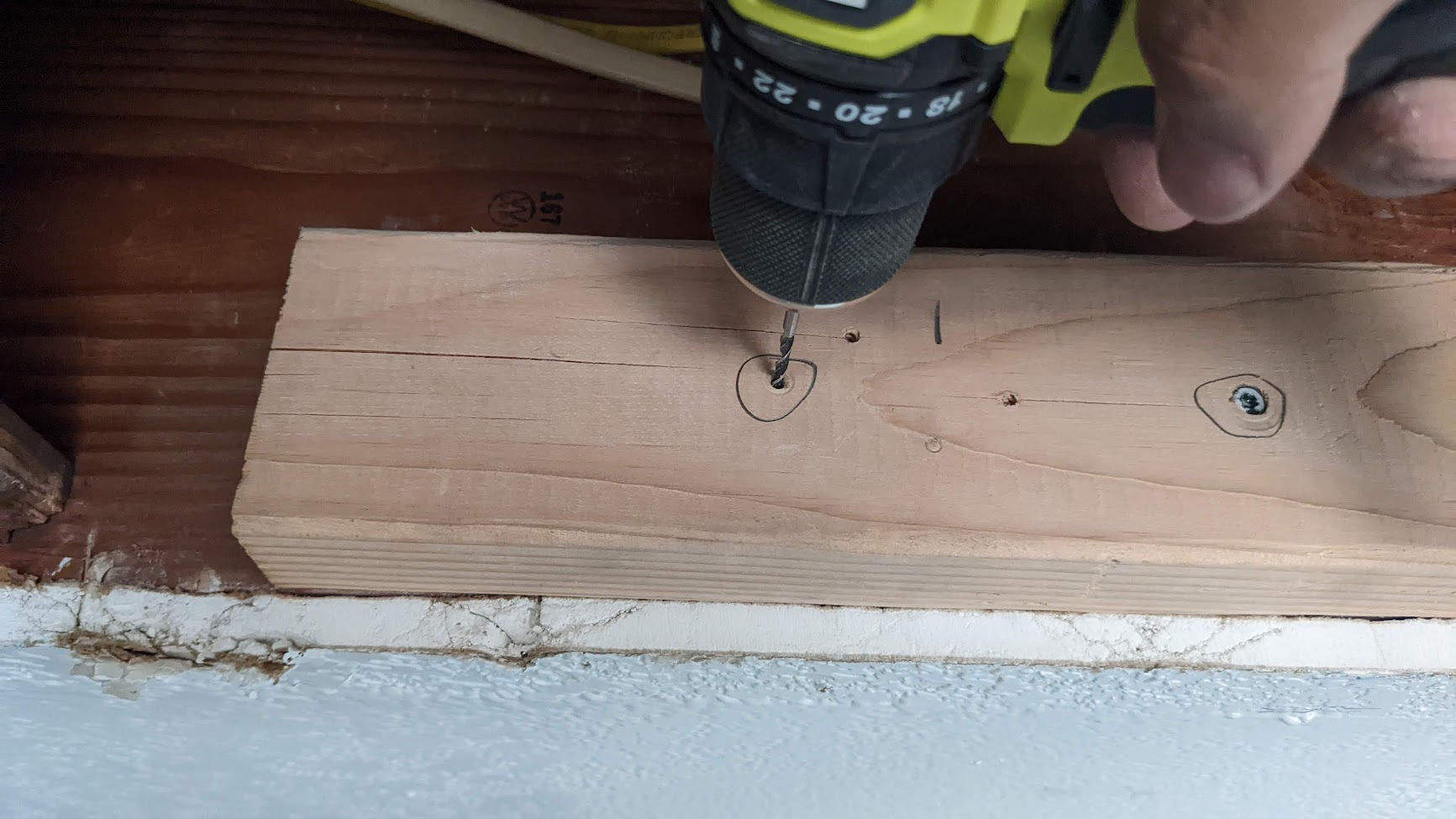
If you must eyeball the position of a 2×4, drill pilot holes first. If you don’t, the 2×4 would likely move a little when screwing a screw into it.