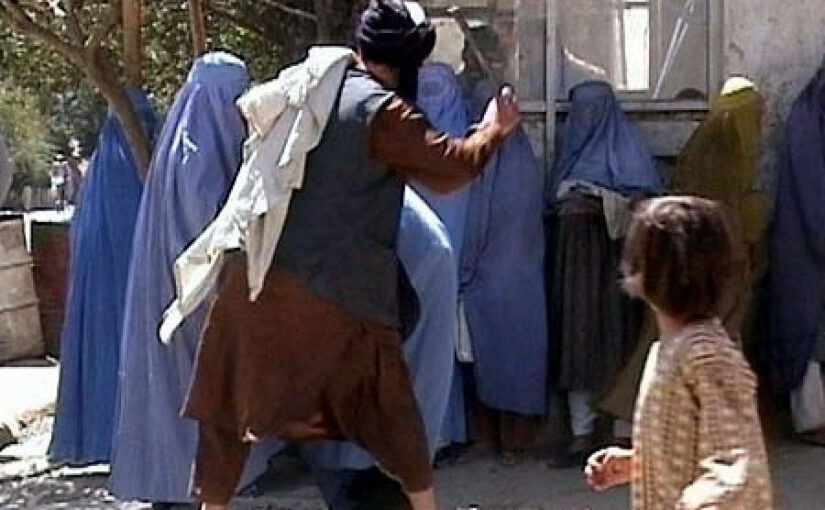
Some Muslim individuals and governments force others or their citizens and/or visitors to follow certain Islamic practices. However, the Quran makes it clear that it is forbidden to force religion or any aspect of religion on anyone.
God could have made everyone a believer but instead, He gave people a brain to think for themselves and the option to choose their beliefs. God told Muhammad not to force people to follow Muhammad’s belief (Islam).
And had your Lord willed, those on earth would have believed – all of them entirely. Then, [O Muhammad], would you compel the people in order that they become believers? (10:99)
Verse 2:256 should make it absolutely clear that one may not force Islam on anyone.
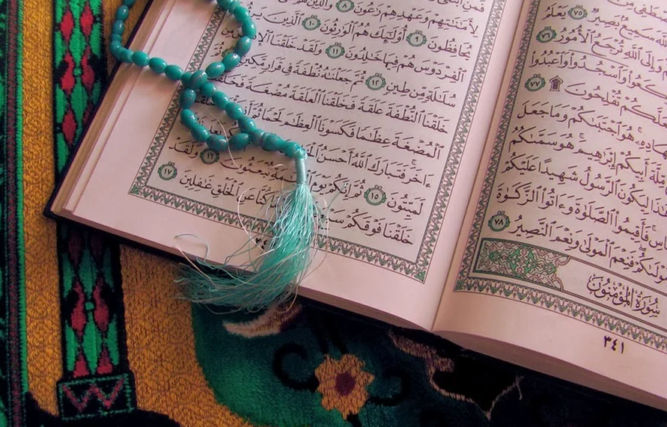
لَا إِكْرَاهَ فِي الدِّينِ
There shall be no compulsion in [acceptance of] the religion. … (2:256 part)
People are expected to use “reason” to choose their religion. Choosing a religion based on tradition or inheritance does not constitute a choice that is based on sound “reason”.
And if their aversion is grievous to you, then if you are able to seek a tunnel into the earth or a stairway into the sky to bring them a sign, [then do so]. But if Allah had willed, He would have united them upon guidance. So never be of the ignorant. (6:35)
Whoever chooses to disbelieve is free to disbelieve.
And say, “The truth is from your Lord, so whoever wills – let him believe; and whoever wills – let him disbelieve.” Indeed, We have prepared for the wrongdoers a fire whose walls will surround them. And if they call for relief, they will be relieved with water like murky oil, which scalds [their] faces. Wretched is the drink, and evil is the resting place. (18:29)
Belief and disbelief can be a cyclical experience and occur repeatedly.
Indeed, those who have believed then disbelieved, then believed, then disbelieved, and then increased in disbelief – never will Allah forgive them, nor will He guide them to a way. (4:137)
However, God will not guide people who disbelieve after believing.
How shall Allah guide a people who disbelieved after their belief and had witnessed that the Messenger is true and clear signs had come to them? And Allah does not guide the wrongdoing people. (3:86-87)
Repentance will not be accepted if one rejects faith after having accepted it.
Indeed, those who reject the message after their belief and then increase in disbelief – never will their [claimed] repentance be accepted, and they are the ones astray. (3:90)
Surah Kafirun (Chapter of the Disbelievers) (109) should also make it clear that people are free to keep their own religion.
Say, “O disbelievers, I do not worship what you worship. Nor are you worshippers of what I worship. Nor will I be a worshipper of what you worship. Nor will you be worshippers of what I worship. For you is your religion, and for me is my religion.” (109)
The vegetarian diet involves abstaining from eating meat, fish and poultry. Some Muslims are vegetarian, though not necessarily because of religious belief. Interestingly, the Quran does not support a strictly vegetarian diet. Consider the following verses which all support eating meat.
And We shaded you with clouds and sent down to you manna and quails, [saying], “Eat from the good things with which We have provided you.” And they wronged Us not – but they were [only] wronging themselves. (2:57)
And We divided them into twelve descendant tribes1 [as distinct] nations. And We inspired to Moses when his people implored him for water, “Strike with your staff the stone,” and there gushed forth from it twelve springs. Every people [i.e., tribe] knew its watering place. And We shaded them with clouds and sent down upon them manna and quails, [saying], “Eat from the good things with which We have provided you.” And they wronged Us not, but they were [only] wronging themselves. (7:160)
Prohibited to you are dead animals,1 blood, the flesh of swine, and that which has been dedicated to other than Allah, and [those animals] killed by strangling or by a violent blow or by a head-long fall or by the goring of horns, and those from which a wild animal has eaten, except what you [are able to] slaughter [before its death], and those which are sacrificed on stone altars,2 and [prohibited is] that you seek decision through divining arrows. That is grave disobedience. This day those who disbelieve have despaired of [defeating] your religion; so fear them not, but fear Me. This day I have perfected for you your religion and completed My favor upon you and have approved for you Islām as religion. But whoever is forced by severe hunger with no inclination to sin – then indeed, Allah is Forgiving and Merciful. (5:3)
They ask you, [O Muḥammad], what has been made lawful for them. Say, “Lawful for you are [all] good foods and [game caught by] what you have trained of hunting animals which you train as Allah has taught you. So eat of what they catch for you, and mention the name of Allah upon it, and fear Allah.” Indeed, Allah is swift in account. (5:4)
And of the grazing livestock are carriers [of burdens] and those [too] small. Eat of what Allah has provided for you and do not follow the footsteps of Satan.1 Indeed, he is to you a clear enemy. (6:142)
And it is He who subjected the sea for you to eat from it tender meat and to extract from it ornaments which you wear. And you see the ships plowing through it, and [He subjected it] that you may seek of His bounty; and perhaps you will be grateful. (16:14)
And not alike are the two seas [i.e., bodies of water]. One is fresh and sweet, palatable for drinking, and one is salty and bitter. And from each you eat tender meat and extract ornaments which you wear, and you see the ships plowing through [them] that you might seek of His bounty; and perhaps you will be grateful. (35:12)
That they may witness [i.e., attend] benefits for themselves and mention the name of Allah on known [i.e., specific] days over what He has provided for them of [sacrificial] animals.1 So eat of them and feed the miserable and poor. (22:28)
And the camels and cattle We have appointed for you as among the symbols [i.e., rites] of Allah; for you therein is good. So mention the name of Allah upon them when lined up [for sacrifice]; and when they are [lifeless] on their sides, then eat from them and feed the needy [who does not seek aid] and the beggar. Thus have We subjected them to you that you may be grateful. (22:36)
And indeed, for you in livestock is a lesson. We give you drink from that which is in their bellies, and for you in them are numerous benefits, and from them you eat. (23:21)
Has there reached you the story of the honored guests of Abraham?1 – When they entered upon him and said, “[We greet you with] peace.” He answered, “[And upon you] peace; [you are] a people unknown.” Then he went to his family and came with a fat [roasted] calf. And placed it near them; he said, “Will you not eat?” (51:24-27)
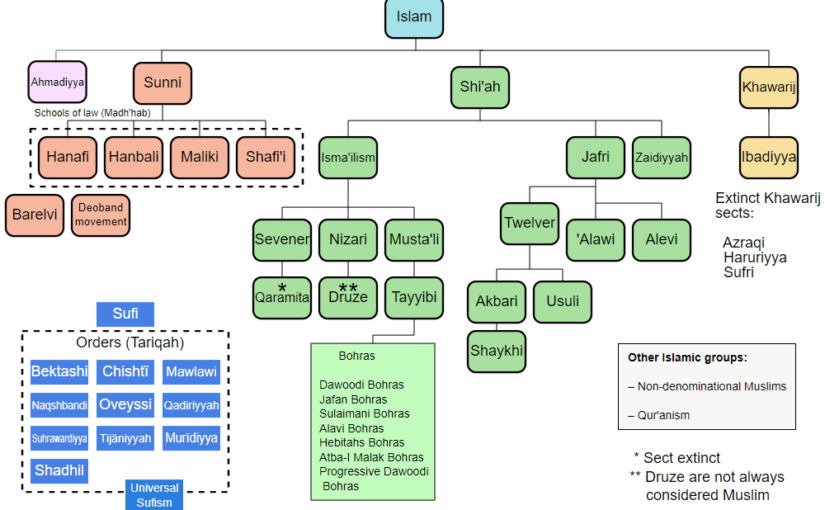
Many Muslims choose to be either Sunni or Shia or be part of some other group. However, the Quran makes it clear that dividing into or joining a sect is forbidden. Some of the names of these divisions and subdivisions are
Indeed, those who have divided their religion and become sects – you, [O Muhammad], are not [associated] with them in anything. Their affair is only [left] to Allah; then He will inform them about what they used to do. (6:159)
According to verse 3:103, God instructs Muslims to not be divided.
And who is better in speech than one who invites to Allah and does righteousness and says, “Indeed, I am of the Muslims.” (41:133)
The word “Muslim” is not only used to describe followers of prophet Muhammad. In the Quran, it is used to describe everyone who submits and surrenders to the will of the one God, e.g.
Pharaoh’s magicians submit to God after witnessing Prophet Moses’s (pbuh) sign from his Lord and are ready to die as those who submit to God (Muslimeen) [7:126]
Prophet Noah (pbuh) asks for no reward from his people. He only submits to God (Muslimeen) [10:72]
Prophet Moses (pbuh) speaks to his people to put their trust in God if they submit to Him (Muslimeen) [10:84]
Prophet Solomon’s (pbuh) letter to Sheba (Saba) requesting her in the name of the Lord to abandon her blasphemy and to surrender herself to God (Muslimeen) [27:31]
Prophet Solomon (pbuh) acknowledges his own surrender to his Lord (Muslimeen) [27:42]
Prophet Muhammad (pbuh) is instructed to say that he has been commanded to be of those that submit to God (Muslimeen) [27:91]
Those who have persevered with the truth from the People of the Book and when it is recited to them, acknowledge that they have already been from those that have submitted to God (Muslimeen) [28:53]
All but one house belonging to Lot (pbuh) (from his community) had submitted to God (Muslimeen) [51:36]
Disciples of Prophet Jesus (pbuh) confirm that they submit to God (Muslimoon) [3:52]
Prophet Abraham (pbuh) was one who submitted to His Lord (Musliman) [3:67]
Prophet Joseph (pbuh) prays to his Lord to die as one who submits to his Lord (Musliman) [12:101]
Prophet Jacob’s (pbuh) children at the point of their father’s death profess that they submit to God (Muslimoon) [2:133]
Say, “Indeed, my prayer, my rites of sacrifice, my living and my dying are for Allah, Lord of the worlds. No partner has He. And this I have been commanded, and I am the first of the Muslims.” (6:162-163)
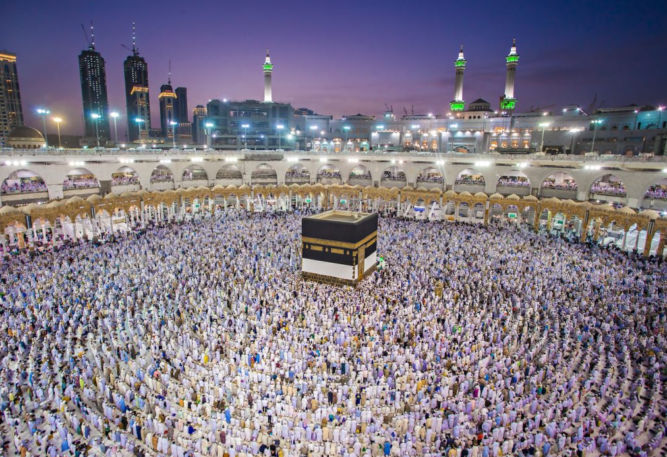
The same applies to the Hajj. There are many verses that indicate that the only purpose of the Hajj is to “commemorate God”.
And proclaim the Hajj to the people …… to commemorate God’s name during the known days. (22:27-28)
You shall commemorate God for a number of days. (2:203)
When you disperse from Arafat you shall commemorate God at the Mishaar Al-Haram. (2:198)
Then once you have completed your rituals, you shall commemorate God. (2:200)
The duration of Hajj
Many Muslims believe that there is only one 5 day period each year during which they can perform the hajj. However, the Quran makes it clear that the hajj can be done any time during the four months beginning from Dhul-Hijjah. The fact that the hajj period lasts for multiple months is proven in verse 2:197.
Hajj is [during] well-known (specified) months (Arabic: ashur), so whoever has made Hajj obligatory upon himself therein (in those months), there is [to be for him] no sexual relations and no disobedience and no disputing during Hajj. … (2:197)
Notice how the verse uses the Arabic word “ashur” which means “months” (plural). “Shahrun” is Arabic for one month. “Shahrain” is Arabic for two months. “Ashurun” is Arabic for three or more months.
Some may argue that the use of the plural “months” was used to describe a regularity that occurs every year. However, this argument is unsupportable as the verse clearly indicates that the months refer to certain months of a year.
Another argument is that the 5 days of Dhul-hijjah fall within the well-known months and therefore that is why the plural “months” is used in the verse. This argument is non-sensical since the verse states very clearly that hajj can be done during months (Arabic: ashurun) that are well-known (Arabic: ma’lumatun). In verse 2:197, notice the Arabic words “farada feehinna”.
“farada” means “he made obligatory”
“feehinna” is a conjunction of two words: “fee” which means “in” and “hinna” which means “them” in the feminine gender form.
Therefore, that section of the verse means “whoever has made Hajj obligatory upon himself therein (in those months)” proves that God is telling you that you can perform the Hajj at any time during those months.
Known days
Some people argue that the Hajj is restricted to the first 10 days of the 12th month by citing verses 22:28 and 2:203.
… mention the name of Allah on known days … (22:28)
You shall commemorate God for a number of days. … (2:203)
They claim that the words “known days” and “a number of days” indicate that the Hajj can only be performed during a 10 day period.
Counter-argument #1: Hajj versus believers
In verse 2:197, we see that God is addressing the “hajj’ itself when He describes the “specified months”. In other words, the hajj itself can be performed during the multiple months of Hajj. In contrast, in verses 22:28 and 2:203, God is addressing the “believers” when He speaks of the “number of days”. In other words, the believers who perform the Hajj go for a number of days and not for several months.
Counter-argument #2: Comparison to Ramadan
In verse 2:185, we see that God indicates that the month for fasting is the (single) month of Ramadan. In the same verse, we see a reference to “a number of days”. Obviously, this doesn’t mean that you must only fast for a few days in the month of Ramadan but rather that if you miss some days, you must make up for them later.
The month of Ramadhan [is that] in which was revealed the Qur’an, a guidance for the people and clear proofs of guidance and criterion. So whoever sights [the new moon of] the month, let him fast it; and whoever is ill or on a journey – then an equal number of other days. … (2:185)
A month, or months, can be spoken of as days because a month is made up of days. Nevertheless, this doesn’t change the fact that they are still months. This is similar to someone describing the years of his childhood by saying “they were the best days of my life”.
Zhu al-Hijjah
The 12th month of the Islamic calendar is called Zhu al-Hijjah which means “that (month) of the Hajj”. It would make sense that this month would be one of the Hajj months and the beginning of those months.
4 “hurum” months
In verse 9:36, we see that there are 12 months in a year and that 4 of them are called “hurum”.
Indeed, the number of months with Allah is twelve [lunar] months in the register of Allah [from] the day He created the heavens and the earth; of these, four are “hurum”. . … (9:36)
The word ‘Hurum’ does not mean sacred as some have translated, for the word used in the Quran for sacred is ‘muqqaddas’, see 20:12, 79:16 and 5:21. The word ‘Hurum’ (adjective) is the plural of the word ‘Haram’ which is also associated with the months of Hajj. Both words come from the noun ‘Ihram’ which means abstention. Abstention is one of the requirements during Hajj, abstention from war, hunting and so on.
As a result, we know that the number of months that God designated for Hajj is four (2:197).
Consecutive “hurum” months
In verses 9:2-5 we see that 4 months are specifically granted to those with whom obligations were removed as they continuously broke treaties and invoked hostilities against the Muslims. Respite was then granted from the Day of Pilgrimage and extended 4 months in succession. The statement that respite was granted from the Day of Pilgrimage until the hurum months have passed indicates that the hurum months are in succession.
(Paraphrasing 9:2-5) So go about in the land for four months (9:2)… And an announcement from God and His Messenger, to the people (assembled) on the day of the Great Pilgrimage (9:3)… So when the hurum months (in succession) have passed … (9:5)
In verse 9:5, the word that indicates a consecutive set of months is “insalakha” which means “withdrawn in succession”. The word literally means “skinned”. When you skin something, e.g. an onion, you remove its layers consecutively one or more layers at a time. You can’t remove the outermost layer (skin) and then the 5th inner layer (skin) before removing the layers (skins) in between.
The same word “salakha” is used in verse 36:37 which denotes a gradual and successive transition. In this verse, the transition is from day to night (sunset).
The beginning of the Hajj period
Verse 2:189 gives us an indication as to the beginning of the Hajj period.
They ask you, [O Muhammad], about the new moons. Say, “They are measurements of time for the people and for Hajj.” …(2:189)
Since the Islamic calendar is a lunar calendar, the sighting of the first crescent signals the beginning of each month. Just as the sighting of the first crescent in the month of Ramadan signals the beginning of the fasting, the sighting of the first crescent in the month of Zhu Al-Hijjah, which means “that (month of Hajj) signals the beginning of the Hajj period.
The Islamic calendar
The Islamic lunar calendar in use today is
Muḥarram محرّم (or Muḥarram al Ḥaram)
Ṣafar صفر (or Ṣafar al Muzaffar)
Rabīʿ al-Awwal (Rabīʿ I) ربيع الأوّل
Rabīʿ al-Thānī (or Rabīʿ al-Ākhir) (Rabīʿ II) ربيع الآخر أو ربيع الثاني
Jumādā al-Ūlā (Jumādā I) جمادى الأولى
Jumādā al-Thānī (or Jumādā al-Ākhirah) (Jumādā II) جمادى الآخرة أو جمادى الثانية
Rajab رجب (or Rajab al-Murājab)
Shaʿbān شعبان (or Shaʿbān al-Muʿaẓẓam)
Ramaḍān رمضان (or Ramaḍān al-Mubārak)
Shawwāl شوّال (or Shawwāl al-Mukarram)
Dhū al-Qaʿda ذو القعدة (or Dhū al-Qiʿda)
Dhū al-Ḥijja ذو الحجة (or Dhū al-Ḥajja)
The Hajj months
From the verses above, we know that
there are 4 hurum months
the 4 hurum months begin with on Day of the Pilgrimage
the hurum months are in succession
If the beginning of Dhul-Hijjah is taken to be the beginning of the Day of the Pilgrimage, which would make sense, then the 4 hurum (and Hajj) months would be
Dhul al-Hijja
Muharram
Safar
Rabi al-Awwal
Solution to current problems
If these 4 hurum months are the months during which people can perform that hajj, as suggested in the Quran, then the following problems resulting from restricting the hajj to a mere 5 days of the year would be reduced if not eliminated.
Intense congestion from millions of people being packed in one place
Extreme congestion during tawaaf (circumambulation)
The difficulties of finding accommodation and resulting exorbitant costs
The long delays
Some women may not be able to perform or complete the hajj as their menstrual cycle may fall
within the 5 days
Deaths from human stampedes due to overcrowdedness
Being hit by flying stones during the Stoning ritual
Unsanitary (to say the least) washing and cleaning facilities
Concerns of being robbed by petty thieve or getting lost from your group
The fact that the Hajj is limited to 5 days severely limits how many people can perform the Hajj each year. As such, there are visa quotas set for visitors from each country. The Quran says that the Hajj is the duty of every Muslim, provided he can afford it, not if he is lucky enough to get a visa!
The current situation of performing hajj clearly is inconvenient, expensive, and burdensome to many and even dangerous to some. Many pilgrims now believe that enduring hardships to perform the hajj would reap them higher rewards. Some travel agents conveniently take advantage of this by providing decrepit services while saying that pilgrims shouldn’t complain as it is better for them to endure.
Contrary to reality, God states in verse 22:78 that He imposes no difficulties in religion.
وَمَا جَعَلَ عَلَيْكُمْ فِي الدِّينِ مِنْ حَرَجٍ
… and has not placed upon you in the religion any difficulty … (22:78)
Based on the analysis above, it appears that people or so-called Islamic scholars are unnecessarily placing difficulty in religion by misinterpreting the Quran and restricting the number of days during which to perform hajj to a mere 5 each year.
The message of not being a burdensome religion is also mentioned elsewhere as follows:
2:185 With regards fasting, God desires for you ease; He does not desire any difficulties or hardship for you.
5:6 With regards Wudu (ablution) in which God wishes to place no difficulty
73:2-3 God instructs the Prophet to abate a little and regulate his night long worship so that it imposes no hardship for him and the believers.
The correct rituals of Hajj
Perform the Hajj during any of the 4 hajj months
As stated above, the hajj months are Dhul al-Hijja, Muharram, Safar and Rabi al-Awwal.
Perform the Hajj for at least 2 days
And remember Allah during [specific] numbered days. Then whoever hastens [his departure] in two days – there is no sin upon him; and whoever delays [for more days] – there is no sin upon him – for him who fears Allah . (2:203)
Commemorate God throughout the Hajj
The primary purpose and goal of the Hajj is to commemorate God.
And proclaim the Hajj to the people …… to commemorate God’s name during the known days. (22:27-28)
You shall commemorate God for a number of days. (2:203)
Then once you have completed your rituals, you shall commemorate God. (2:200)
Hunting
Hunting is prohibited during Hajj as per the following verses:
You shall not permit hunting while you are hurum. (5:1)
Once you are no longer in abstention you may hunt. (5:2)
O you who believe, do not kill any game while you are hurum. (5:95)
War and fighting
All warfare is prohibited during the Hurum Months of Hajj except in self defence:
They ask you about the Haram Month and fighting therein: say, “Fighting therein is a grave matter.” (2:217)
Sexual intercourse, misconduct and arguments
These abstentions are given in verse 2:197
Whoever executes the Hajj in them (the known months) shall refrain from sexual intercourse, wickedness and arguing during Hajj. (2:197)
Abstaining from cutting the hair
Note that some people claim that the hair must be cut or shortened at the end of Hajj. However, nowhere does the Quran say this. The Quran only states that you can’t shave or cut your hair during the Hajj.
You shall complete the Hajj and Umrah for God. If you are prevented, then make a convenient offering, and do not shave your heads until the offering reaches its destination. (2:196)
Visit the Kaa’ba (Ancient House) and circumambulate it at least 1x (once)
Then, they shall end their state of unkemptness, fulfill their vows and go around / circumambulate (yatawwaffa) the Ancient House. (22:29)
Note that there is no mention that you must circle the Kaa’ba seven times, as is commonly believed. Therefore, you are only required to do it once. Obviously, the purpose of performing the hajj and umrah is to remember and focus on God. Trying to keep track of how many times you’ve circled the Kaa’ba, especially when it’s overly crowded, would only deter your from the primary goal.
Walking between Safa and Marwah are optional
Indeed, as-Safa and al-Marwah are among the symbols of Allah. So whoever makes Hajj to the House or performs ‘umrah – there is no blame upon him for walking between them (yatawwaffa bihima). And whoever volunteers good – then indeed, Allah is appreciative and Knowing. (2:158)
Note that there is no mention that you must walk between Safa and Marwa seven times, as is commonly believed.
Commemorate God at the Masjid al Haram
The Mishaar Al-haram is the Masjid al-Haram in Mecca because it is the only House called “Haram” in the Quran.
When you disperse from Arafat you shall commemorate God at the Mishaar Al-Haram. (2:198)
Animal offerings
You must offer an animal
The animal offerings are among the rites decreed for you by God. In them there are benefits for you. So mention God’s name on them while they are lined up, then, once they collapse on their sides, you shall eat therefrom and feed the poor and the needy. It is thus that We have ordained them for you so that you may be thankful. (22:36)
This animal offering isn’t to be confused with the pagan concept of animal sacrifice for some gods. The animal offering is for human benefit, as indicated in 22:36, and not for God, as indicated in 22:37.
Their meat will not reach Allah, nor will their blood, but what reaches Him is piety from you. … (22:78)
Convenient offering
For people who progress from Umrah to Hajj, they shall make a convenient offering (to the poor and needy). If they can’t, then they can fast.
… whoever performs ‘umrah [during the Hajj months] followed by Hajj [offers] what can be obtained with ease of an offering (hadye). And whoever cannot find [or afford an offering] – then a fast of three days during Hajj and of seven when you have returned [home]. Those are ten complete [days]. This is for those whose family is not in the area of al-Masjid al-Haram. … (2:196)
Optionally pray at the Station of Abraham
Verse 2:125 indicates that one should pray at the Station of Abraham. However, this is in the context of what people did during the time of Abraham. To expect everyone nowadays to all pray at the Station of Abraham could be a logistical nightmare.
And [mention] when We made the House a place of return for the people and [a place of] security. And take, [O believers], from the standing place of Abraham a place of prayer. And We charged Abraham and Ishmael, [saying], “Purify My House for those who perform Tawaf and those who are staying [there] for worship and those who bow and prostrate [in prayer].” (2:125)
The man-made rituals of Hajj
The Hajj garments
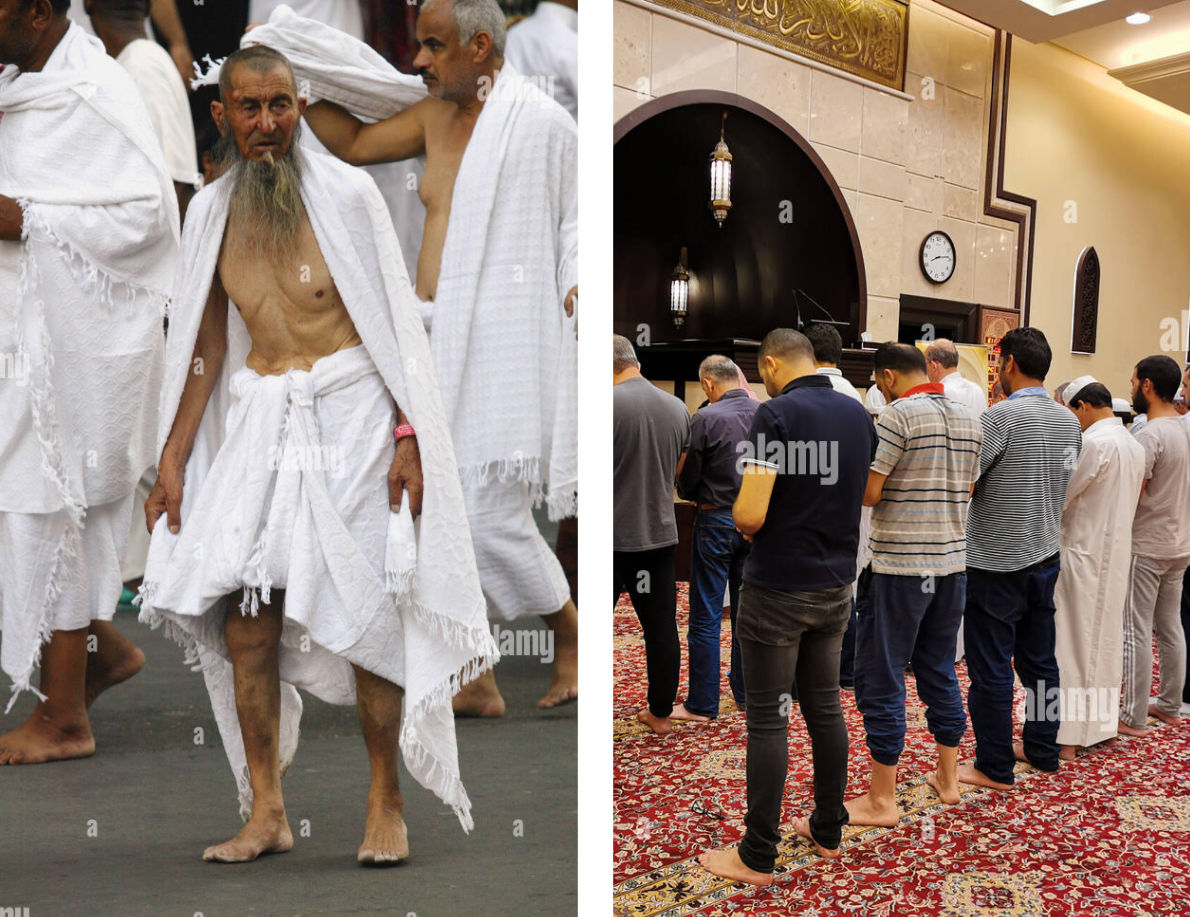
Most Muslims believe that men must wear two seamless white clothes similar to beach towels. There is nothing in the Quran that mandates this dress code. Furthermore, having to wear nothing but two pieces of cloth could easily defocus your attention on commemorating God as you would likely be worried that your clothes would fall and everyone would see you naked, including making women.
In verse 7:31 we see that God instructs people to bring their “zinah” to every masjid (mosque). Zinah means adornments or any item that is worn to make oneself beautiful. The command is to dress nicely at “every” masjid. Since the Masjid Al-Haram is a mosque, then this verse instructs people to dress nicely in it.
O children of Adam, take your adornment at every masjid, and eat and drink, but be not excessive. Indeed, He likes not those who commit excess. (7:31)
Many Muslims justify the wearing of the Hajj garments (two white pieces of cloth) to equalize everyone so the rich and poor look alike and the poor don’t feel uncomfortable and embarrassed. If that were the case, why is that belief not applied to the Friday congregational prayer? During the Friday prayers, no one poor appears embarrassed or uncomfortable to be there. Furthermore, a poor person would be better off going to the Hajj in whatever clothes they have rather than be burdened to spend extra money on special towels, sandals, belts, and what not.
Miqat Locations
The miqat is a location from where pilgrims are required to start wearing the “ihram” garments and enter into a state of “ihram”. The common understanding is that “ihram”garments are two unstitched white pieces of cloth for men and loose-fitting white clothes for women. There are 5 miqat locations:
Dhul Hulaifah
Al-Juhfah
Qarn-ul manazil
Yalamlam
Dhatu `Irq
Pilgrims typically put on their “ihram” garments at one of these 5 locations and then proceed to Mecca to perform Umrah or Hajj. Needless to say, none are such rules in the Quran. The Quranic state of “ihram” is to abstain from war, hunting, sexual activity and bad language and begins when pilgrims enter the Masjid Al-Haram to commence their Hajj. Like the so-called “ihram” garments, the miqat locations are yet another man-made innovation.
The “Black Stone”
The Black Stone is a stone located at one of the corners of the Kaa’ba at the Masjid Al-Haram. Muslims tend to congregate and push themselves towards it in an effort to touch and kiss it with the hope of getting some sort of blessing. Clearly, this is an idolatrous behavior similar to what the statue worshippers during the time of Abraham did. As such, it should come as no surprise that there is no mention of this ritual anywhere in the Quran. This ritual originates from the hadith which claims that the stone descended from Heaven during the time of Abraham and that Prophet Muhammad used to kiss it. As we know from the Quran in verse 21:66, Abraham destroyed all of the stones and statues that people were worshipping and asked them if they worship something that cannot benefit nor harm them instead of God.
He (Abraham) said (to the idolaters), “Then do you worship instead of Allah that which does not benefit you at all or harm you? (21:66)
Similar verses are found at 5:76,10:18 and 25:55.
“Zamzam” water
Zamzam water is water that comes from a particular well. The water is available at the Masjid Al-Haram and is considered sacred by most Muslims. Many also believe that it can cure ailments. Muslim historians claim that the well of Zamzam was made to flow for Hagar and her infant Ishmael when the two of them ran in desperation between the hill tops of Safa and Marwah in search of water. This story is nowhere to be found in the Quran but rather comes from the Bible (Torah). Genesis 21:14-21 describes the story of Abraham’s slave wife Hagar when she was sent away to the desert with her child Ishmael. In desperation and fear of dying out of thirst, Hagar ran back and forth between two hill tops in search of water, at which point God mercifully produced for her a gushing well from which she and Ishmael drank. As this story is not in the Quran, it’s likely that hadith writers borrowed this story from the Bible and modified it such that the Zamzam well would be located at the Masjid Al-Haram. The Bible, however, indicates that the event took place at Beer Sheba which is located south of Jerusalem, between Gaza and the Dead Sea.
Regardless of this story, the Quran makes it clear that we should not idolize and hold sacred any object, whether it is the water of Zamzam or the Black Stone, thinking that it could “benefit” us. On the contrary, doing so would be a direct violation of 5:76,10:18 and 25:55. At the end of the day, Muslims must believe that all cures are ultimately from God.
The ritual of stoning Satan
Another commonly practiced Hajj ritual is the stoning of Satan. This ritual, according to the historian Al-Arazi, originates from Abraham’s journey to perform the Hajj. The story has it that when Abraham left Mina, Satan appeared to him. Then, Gabriel appeared and told Abraham to pelt Satan. Abraham threw 7 stones which made Satan disappear. Satan reappeared at the Middle Stone-Heap and the Little Stone-Heap and Abraham where Abraham threw more stones until Satan finally withdrew. These 3 locations are called the “Jamaraat” and are meant to represent the devil.
There is nothing in the Quran mentioning this Hajj ritual.
Some scholars quote verse 38:77 and 15:34 to justify the stoning of Satan practice.
He (God) said, ‘Then, get out of it, for you (Satan) are ‘rajeem’ (expelled). (38:77)
They use the word “rajeem”, which means “expelled” or “outcast”, to mean “stoned”.
As you can imagine, believers of this non-sensical and unauthorized ritual probably think that they are hurting Satan as they passionately throw stones at something they can’t even see. However, what is more likely to be happening is that Satan is sitting behind them laughing for having succeeded in deviating millions of Muslims from the sole purpose of Hajj, which is to praise and commemorate God (22:27-28, 2:203, 2:198, 2:200). By tricking clueless Muslims who don’t pay attention to the Quran and its clear instructions, Satan has succeeded in wasting 3 days of each pilgrims’ Hajj days in his name instead of for God.
Interestingly, most of the fatal tragedies during the Hajj occur during the Stoning ritual. Could it be that these tragedies are related to the fact that this ritual is completely counter to the purpose of the Hajj? Throughout the entire Quran, God never tells people to attack the devil. His command is only to stay away from and not follow the devil.
Women not allowed to perform Hajj without a “muhrim”
A “muhrim” is understood to be any male who is unlawful for marriage to the woman in question, e.g. a woman’s father, brother, son, grandfather, etc. As such, Muslim women believe that they can’t perform the Hajj unless one of their “muhrims” accompany them. This belief originates from hadith that says that no man shall be in the company of a woman alone and in seclusion. With millions of Hajj pilgrims visiting Mecca every year, being in a state of “seclusion” is quite the opposite of what actually occurs. This belief is common in male-dominated cultures such as in Saudi Arabia where the rule is clearly one-sided as the restriction does not apply to men. Needless to say, there is such law in the Quran which prohibits women from performing the Hajj without a “muhrim”.
Women during menstruation forbidden from completing Hajj
There is no restriction in the Quran that prevents a woman from completing the Hajj if they are menstruating. Likewise, women are not forbidden from fasting and praying while menstruating. Menstruation is a bodily cycle designed by God Himself. It’s non-sensical to believe that God would forbid His own creatures from praying and worshipping Him 7 days a month. The only restriction placed on women during menstruation is from having sexual intercourse with their husbands for the benefit of both of them (2:222). See chapter “Are Menstruating Women Required to Fast?” for details.
Visiting Prophet Muhammad’s tomb during the Hajj
Many Hajj pilgrims visit Prophet’s Muhammad’s tomb during the Hajj. The tomb is located in Medina at the Prophet’s Mosque (Masjid Al-Nabawi). The Quran only speaks of one “Haram Masjid”, which is the one in Mecca. Nevertheless, many Muslims consider there to be two Haram Masjids (Al-Haramayn), the second being the Prophet’s Mosque.
First of all, the practice of visiting Muhammad’s tomb is not an authorized Hajj ritual per the Quran as it is nowhere to be found in it. On the contrary, visiting Muhammad’s tomb would constitute a violation of Hajj requirements which has as its primary goal of praising and commemorating God alone (22:27-28, 2:203, 2:198, 2:200).
Secondly, many Muslims pray in front of Muhammad’s tomb which, if they are praying with Muhammad in mind, is an act of shirk (idol worship). And if they are there only to pray to God, then it would seem suspicious for choosing that particular mosque. As verse 72:18 states, all mosques are solely for God and calling on anyone else in them is strictly prohibited.
And the masjids are for God, so do not invoke with God anyone. (72:18)
Thirdly, most of these Muslims who believe in and follow the hadith yet, unsurprisingly, since most people just blindly follow the masses, don’t realize that the hadith prohibits taking graves of the prophets as places of worship. Considering the following so-called “sahih” hadith.
Jundub reported: I heard from the Messenger of Allah (ﷺ) five days before his death and he said: I stand acquitted before Allah that I took any one of you as a friend, for Allah has taken me as His friend, as he took Ibrahim as His friend. Had I taken any one of my Ummah as a friend, I would have taken Abu Bakr as a friend. Beware of those who preceded you and used to take the graves of their prophets and righteous men as places of worship, but you must not take graves as mosques; I forbid you to do that. Sahih Muslim 532In-book reference: Book 5, Hadith 28USC-MSA web (English) reference: Book 4, Hadith 1083 https://sunnah.com/muslim/5/28
Lastly, many Muslims believe that by visiting the Prophet’s tomb, they are just following the religion the way Prophet Muhammad did. Funnily, this is purely non-sensical as Muhammad could not have visited his own grave when he was alive and performing the Hajj. Furthermore, the whole Hajj ritual began way before Muhammad was even born, originating with Prophet Abraham who, obviously, could not have visited Muhammad’s tomb when he was alive.
Performing hajj for someone else
Some Muslims believe that they can perform the hajj for someone else, e.g. a dead relative who never performed the hajj. However, Quran verses 53:39 and 6:164 make it clear that no one will be credited with or be responsible for the good or bad deeds of anyone else.
وَأَن لَّيْسَ لِلْإِنسَانِ إِلَّا مَا سَعَىٰ
And that there is not for man except that [good] for which he strives (53:39)
Most Muslims believe that zakat is only a required payment in the amount of 2.5% on their income primarily for people in need and that it is only required by Muslims. However, the Quran seems to suggest that zakat is more like a government tax required by all members of society, whether Muslim or not, and is not limited to 2.5%.
The word zakat
Zakat is an Arabic word that literally means “that which purifies”. Many Muslims agree that zakat is named as such because Muslims are obligated to pay zakat in order to remain spiritually pure.
Zakat (tax) and salat (prayer)
People familiar with Quranic verses will often note that zakat is almost always mentioned together with salat (prayer). For example, in verse 2:43 we read
… أَقِيمُوا الصَّلَاةَ وَآتُوا الزَّكَاةَ …
… and establish prayer and give zakat … (2:43 part)
This verse, and many others, make it clear that zakat is mandatory among Muslims.
Sadaqah and zakat are not the same thing
Even though sadaqah and zakat may have some similarities, verse 58:13 proves that sadaqah and zakat are two different things.
Do you fear that you will present charities (sadaqaat) before your consultation? Then when you do not (give charity) and God has forgiven you, then establish prayer and give zakah and obey God and His Messenger. And God is Acquainted with what you do. (58:13)
Do non-Muslims have to pay zakat?
Non-Muslims also had to pay Zakat
According to verse 41:6-7, disbelievers and polytheists must also pay zakat.
“…and woe to the polytheists (41:6) who give not the ‘Zakat’ and in the Hereafter they are disbelievers. (41:7)”
The verses above make it clear that the obligation to pay zakat was not necessarily a “religious” obligation but rather a societal obligation.
Jews also had to pay Zakat during the time of Prophet Muhammad
According to verses 2:43, the Jews were told to also pay zakat among doing other things. The commandment is mentioned in verse 2:40 which addresses the Children of Israel.
And establish prayer and give zakah and bow with those who bow [in worship]. (2:43)
The fact that the Quran requires Jews to also pay zakat further supports the argument that paying zakat was required among everyone and not just Muslims.
People paid zakat long before Prophet Muhammad was even born
Many Muslims assume that the requirement to pay zakat began with Muhammad. However, the Quran proves that the payment of zakat began very long before Muhammad was even born. The following verses indicate who was expected or ordered to pay zakat.
19:31
Prophet Jesus (Isa)
19:55
Prophet Ishmael ordered his people to pay zakat.
2:83, 7:156, 5:12
The Children of Israel (Jews)
21:73
Prophet’s Abraham, Isaac and Jacob
4:162
The Jews (referenced as “hadu” in 4:160)
98:5
Zakat was a fundamental aspect of the true religion of God even to people of previous revelations and scriptures from prophets before Muhammad.
Is zakat based on income or savings?
Some Muslims believe that zakat is based on their savings. However, according to verse 6:141, we see evidence that zakat is based on income and that zakat is due as soon as you get paid. The verse uses the example of a farmer who harvests fruit. When the fruits are ready, they can be harvested. On that day, the farmer must pay his due (zakat) since that is the day the farmer can sell the fruit and get paid.
And He it is who causes gardens to grow, [both] trellised and untrellised, and palm trees and crops of different [kinds of] food and olives and pomegranates, similar and dissimilar. Eat of [each of] its fruit when it yields and give its due [zakah] on the day of its harvest. And be not excessive. Indeed, He does not like those who commit excess. (6:141)
Nowadays, most people don’t work as farmers. Nevertheless, the point of the verse above is that one has to pay his dues (zakat) when they receive an income, whether it is every 2 weeks, once a month, or yearly.
Who should manage zakat money?
Many Muslims today pay zakat by giving 2.5% of their income to a mosque for distribution or they manually distribute it themselves to whoever they think deserve it. However, according to verse 22:41, it seems to suggest that governments should establish a system of zakat.
[And they are] those who, if We establish them in the land, establish prayer and give zakah and enjoin what is right and forbid what is wrong. And to God belongs the outcome of [all] matters. (22:41)
Notice how verse 22:41 mentions “if We (God) establish them (people) in the land”. Obviously, people who are established in a land are people who live in an organized society with a system managed by a government.
Pay zakat to people individually or to a central authority for distribution
Aside from the amount of zakat or tax distributed to those in need, it should be obvious that having a centralized system for collecting, spending and distributing this money would be far better than if people individually decided who to give some of their money to.
If people individually give zakat money to the needy, then
only certain individuals would receive zakat money and possibly, only Muslims
many people who qualify for zakat money may not receive any at all
benefits received by recipients would strictly be limited to money and no other form of help
zakat recipients would only receive cash which could be misused, e.g. for drugs and alcohol
the overall welfare of everyone would be severely limited as zakat money would strictly be used for distributing money to the poor and needy
If people give zakat money (or tax) to a central government, then
some of the money can be distributed to all needy people, not just some people
everyone, both Muslims and non-Muslims, can receive financial help fairly and equally
some of the money can be used for social programs as well as public services such as free or subsidized transportation, healthcare, education, and so on
recipients can’t abuse tax / zakat benefits because governments can issue food stamps, for example, which can’t be used for drugs and alcohol
the overall welfare of everyone would improve
Who can receive zakat money?
Most Muslims believe that zakat money is strictly for people who are poor or in need. Many Muslims also believe that zakat money is only for Muslim recipients. Many Muslim scholars quote verse 9:60 to determine 8 categories of people who can receive zakat money. Below is the correct English translation of verse 9:60
“Charities (Arabic: Sadaqaatu) are only for the poor (Arabic: Fuqara) and the needy (Arabic: Masakin), and those who collect them (Amalina Alayha), and those whose hearts are to be reconciled (Mu-alafati qulubuhum) and to free the captives (Arabic: Fil-riqabi) and the debtors (Arabic: Gharimina), and for the cause of God (Arabic: Fi-Sabili-llahi) and (for) the wayfarer (Arabic: Sabili);- a duty imposed by God. God is Knower, Wise” (9:60)
It is very clear from verse 9:60 above that it addresses charities (sadaqaat) and not zakat. And, as we have proven above in verse 58:13, and as most Muslims would agree, charity and zakat are two different things. While the Quran is absolutely clear as to who can receive charity (sadaqah) money, the Quran does not state who can receive zakat money. Therefore, it is incorrect to say that zakat money is strictly limited to the poor and the needy or just Muslim people.
As suggested by verse 22:41, if a government is to manage zakat money, then it would make sense that the Quran would not specifically state how zakat money should be used since different countries have different needs. For example, in the United States, according to Office of Management and Budget (OMB), the 2015 federal spending by category was
33.26%
Social Security, Unemployment and Labor
27.42%
Medicare and Health
15.88%
Military
5.97%
Interest on Debt
4.19%
Veteran’s Benefits
3.54%
Food and Agriculture
2.67%
Education
2.22%
Transportation
1.6%
Housing and Community
All of the categories above, except for “Military”, “Interest on Debt” and “Veteran’s Benefits”, support the poor and people in need by providing financial support for the elderly (social security) and the unemployed, providing medical assistance to the poor and people in need (Medicare and health), providing food for the poor and the needy, providing education to low-income students, providing subsidized or free public transportation for the poor and the needy, and providing housing assistance for the poor and the needy.
As you can see, even a non-Islamic government such as the government of the United States ends up spending much of its money on social programs that benefit the poor and the needy because it makes sense to do so.
Why should non-Muslims receive zakat money?
Some, if not many, Muslims believe that only Muslims are entitled to receive zakat money. There is no such restriction in the Quran. As a matter of fact, the Quran makes it clear that polytheists (41:6-7) and Jews (2:43) had to pay zakat during the time of Prophet Muhammad. Therefore, if those non-Muslims had to pay zakat, it would only be fair if the poor and needy among them could also receive zakat money. Unfortunately, many Muslims are quick to judge non-Muslims as predestined people who will surely go to Hell. However, it is not unreasonable for a non-Muslim to eventually convert to Islam. Obviously, not everyone is born into a Muslim family and not everyone has the same circumstances in life.
How much should zakat be?
Most Muslims believe that zakat is 2.5% on savings or income to be paid once a year. Muslims scholars have decided that the 2.5% comes from some relatively vague hadeeth. However, there is no mention of zakat being strictly limited to 2.5% in the Quran. As suggested by verse 22:41, if a government is to manage zakat money, then it should be a percentage that is necessary for the government to do its job and support the people. Obviously, every country has different circumstances and needs. Oil-rich Gulf countries with small populations such as the UAE and Saudi Arabia have plenty of valuable natural resources that they don’t need money from their residents in order to run the country and provide for the poor and the needy. Consequently, both the UAE and Saudi Arabia have a 0% tax on their people. On the other hand, the United States needs to charge an average 25-30% tax on its residents, with an exemption for low-income people, of course. Considering the different circumstances of different countries, it would make sense, then, that the Quran would not limit how much each country must charge for zakat (tax) so that each government can decide how much it needs to best help its people.
2.5% zakat versus government tax
It should be obvious that most governments use a portion of their tax revenue to support the poor and needy. As mentioned above, the United States government spent more than 50% of its 2015 tax revenues on social programs. Assuming a US taxpayer had an effective tax rate of 30%, then at least 15% of that taxpayer’s tax money would go towards the poor and needy in one way or another. That is already 6 times the 2.5% zakat that most Muslims pay for the same cause, and that’s only for federal tax – it doesn’t include state tax. Since most governments charge much more than 2.5% for income tax, then by paying your income tax to the government, you are already paying much more from your income for the same purpose as the 2.5% zakat most Muslims pay. Since most of a government’s tax revenues support the poor and needy, then it should be easy to see how your government income tax is really no different than zakat – it’s just not called “zakat” because “zakat” literally means “that which purifies” whereas the Arabic word for “tax” is “dareeba”.
Zakat and taxes in Muslim countries
Many Muslims living in Muslim countries complain about poverty, lack of government support, expensive healthcare, and low quality of life. These same people admire non-Islamic countries such as the United States, Australia, and Western European countries for offering much support to their citizens such as free healthcare, education, and financial support for the poor and needy. If we compare these two groups of countries, we quickly realize that a large percentage of the population in non-Islamic countries pay taxes whereas in Islamic countries, an extremely small percentage of the population pays taxes, even though many of them still hand out 2.5% of their income to the poor and needy. In the Islamic Republic of Pakistan, the government tax rate is between 7.5% and 35% however, only 0.57% of the population pays taxes. Assuming everyone paid 2.5% of their income for zakat, it’s clear that, considering the quality of life in Pakistan, their 2.5% zakat money doesn’t appear to make much of a difference in the general welfare of the people.
Tax evasion
Some Muslims, whether living in a Muslim country or not, are extremely disciplined when it comes to paying 2.5% of their income for what they call “zakat”. These same people receive support from their government which obviously comes from taxpayer money. Ironically, however, when it comes time to pay their income tax to their government, they either complain or, worse yet, avoid paying it as much as possible. Furthermore, there are some Muslims who withdraw state benefits when they are clearly not eligible for them. While it may not seem like stealing, what these Muslims are doing is, in effect, stealing taxpayer money, regardless of how little, that could be meant to support people who are actually poor or in need.
How much is enough zakat (government tax)?
Low tax revenues means that a government can only fund basic services such as policing, the courts and the armed forces. In order to provide universal healthcare, education, and a social safety net for all of a country’s residents, higher tax revenues are required. According to the UN, this can be achieved if a country’s tax revenues are at least 20% of its GDP [1]. If achieved, this would result in an increase in a society’s quality of life. The Human Development Index (HDI) [2] is a ranking of a society’s quality of life by country. The index groups countries into 4 categories. Following is a 2016 listing of those categories with a sampling of countries. The listing also shows each country’s 2015 tax revenue-to-GDP ratio [3]. Each country’s estimated 2017 GDP per capita per the International Monetary Fund (IMF) is also listed to give an idea of the average individual’s annual income for that country [4]. In addition, I note whether a country is an Islamic country.
In the table below, CPI (Corruption Perception Index) is a measure of how corrupt people perceive a country to be. Of course, paying more taxes to a corrupt government is pointless.
Very High human development
Rank
Country
Islamic?
HDI
Tax Revenue-to-GDP Ratio
GDP per capita
CPI
1
Norway
0.949
54.8
$70,590
85
2
Australia
0.939
43.4
$49,882
73
3
Switzerland
0.939
27.8
$61,360
84
4
Germany
0.926
44.5
$50,206
80
5
Denmark
0.925
50.8
$49,613
88
5
Singapore
0.925
14.2
$90,531
85
6
Netherlands
0.924
39.8
$53,582
82
7
Ireland
0.923
30.8
$72,632
74
8
Iceland
0.921
40.4
$52,150
74
9
Canada
0.921
31.7
$48,141
74
10
United States
0.920
26.0
$59,495
67
19
Israel
0.899
36.8
$36,250
36
30
Brunei
Yes
0.865
?
$76,743
?
33
Qatar
Yes
0.856
2.2
$124,927
31
38
Saudi Arabia
Yes
0.847
5.3
$55,263
52
42
UAE
Yes
0.840
1.4
$68,245
69
47
Bahrain
Yes
0.824
4.8
$51,846
42
51
Kuwait
Yes
0.800
1.5
$69,669
43
High human development
Rank
Country
Islamic?
HDI
Tax Revenue-to-GDP Ratio
GDP per capita
CPI
59
Malaysia
Yes
0.789
15.5
$28,871
48
69
Iran
Yes
0.774
6.1
$20,030
25
71
Turkey
Yes
0.767
24.9
$26,453
38
86
Jordan
Yes
0.741
21.1
$12,487
49
90
China
0.738
20.1
$16,624
45
97
Tunisia
Yes
0.725
14.9
$11,987
44
102
Libya
Yes
0.716
2.7
$9,792
17
Medium human development
Rank
Country
Islamic?
HDI
Tax Revenue-to-GDP Ratio
GDP per capita
CPI
111
Egypt
Yes
0.691
15.8
$12,994
33
113
Indonesia
Yes
0.689
12.0
$12,378
38
123
Morocco
Yes
0.647
22.3
$8,612
39
139
Bangladesh
Yes
0.579
8.5
$4,561
26
147
Pakistan
Yes
0.550
11.0
$5,354
28
Low human development
Rank
Country
Islamic?
HDI
Tax Revenue-to-GDP Ratio
GDP per capita
CPI
168
Yemen
Yes
0.482
7.1
$2,300
16
169
Afghanistan
Yes
0.479
6.4
$1,889
16
187
Niger
0.353
11.0
$1,153
31
One thing of note is that all Islamic countries in the “Very high human development” category are oil or natural gas-producing countries. These countries do not collect much, if any, tax from their residents because they don’t need to as they’ve been lucky enough to have a very valuable natural resource. These are mostly small countries with small populations and lots of oil and gas.
Based on the table above, most Islamic countries have a tax revenue as % of GDP value of less than 20%. And as you can see, the top 10 countries with the highest quality of life are the countries that collect the most tax from their residents. Not a single one of these top 10 countries is an Islamic country.
If we take the average tax revenue as a % of GDP for all countries in each category, we get the following table.
Country Group
Average Tax Revenue as % of GDP
Top 10 Very High Human Development
36.75
Very High Human Development
31.92
High Human Development
22.08
Medium Human Development
17.09
Low Human Development
15.08
Based on the two tables above, it appears that, in general, the more taxes a country collects (higher tax revenue as % of GDP), the higher the quality of life of its residents.
Quite ironically, the requirements of a society based on an inclusive tax system seem to be better understood in non-Islamic countries than in many Muslim countries that cannot often fulfill the basic demands and needs of their citizens.
Conclusion
It should be clear now that Islamic zakat is actually government taxation which is mandatory for everyone, not just Muslims, and for the benefit of everyone, not just Muslims. In Islamic countries, since many Muslims think that zakat is not government taxation, it may be helpful to change the term “income tax” to “zakat” since, as I have explained above, the two terms are synonymous.
Is charity or zakah only for Muslims?
Some Muslims refuse to give charity to non-Muslims as they consider all non-Muslims as infidels (kafir). First of all, the Quran never says you may only give charity to Muslims. Secondly, not all non-Muslims are kafir because to be a kafir, you have to intentionally reject God. If you were raised in a Hindu family and you worship statues, then you are an idolater (mushrik), but not necessarily an infidel (kafir). You are, however, wrong in thinking that a statue is God and, unless you use your brain to think about that to discover the truth, as required of you in verse 8:22, you may very well end up in Hell.
And if any one of the polytheists seeks your protection, then grant him protection so that he may hear the words of Allah. Then deliver him to his place of safety. That is because they are a people who do not know. (9:6)
If they do not reject God, then they can get guidance so as to see their mistakes and discover the real God. In the meantime, they deserve financial help just like anyone else. Not everyone is born into a Muslim family but everyone can convert to Islam at any time in their lives. To refuse to help someone based on their current belief is not only inhumane but counter to the spirit of Islam. Who knows? The person you refuse to give charity to based on their current belief may end up converting and becoming a more righteous Muslim than you.
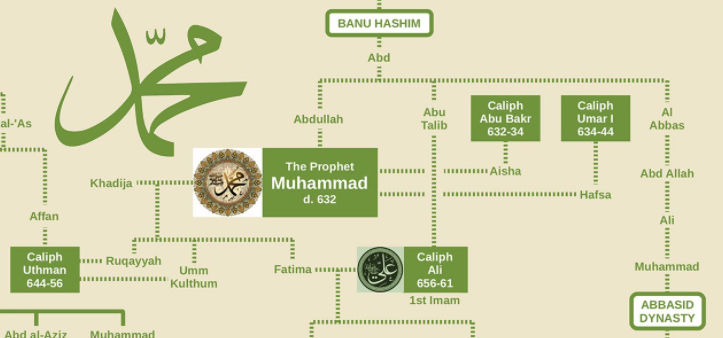
Ada sekelompok orang yang percaya bahwa mereka adalah keturunan Nabi Muhammad. Istilah populer yang digunakan untuk orang-orang ini adalah “Sayyid” (tunggal) atau “Sadah” (jamak). Ini juga sering ditulis “Syed”. Keturunan Muhammad melalui ibu mereka tetapi bukan ayah disebut sebagai “Mirza”. Meskipun statistik yang dapat diandalkan tidak ada, perkiraan konservatif jumlah Sayyid mencapai puluhan juta. Sayyid dapat ditemukan di seluruh dunia termasuk negara2 yang berikut ini.
Irak Keluarga Sayyid di Irak sangat banyak sehingga ada buku yang ditulis khusus untuk mendaftar keluarga2nya dan menghubungkan mereka.
Iran Sayyid ditemukan dalam jumlah besar di Iran. Kepala “Organisasi Nasional untuk Pencatatan Sipil” Iran menyatakan bahwa lebih dari 6 juta orang Iran adalah Sayyid.
Oman Di Oman, gelar Sayyid digunakan oleh anggota keluarga kerajaan penguasa Al Said. Anggota keluarga besar atau anggota karena perkawinan menyandang gelar Sayyid atau Sayyida untuk perempuan. Gelar semacam itu di Oman diwariskan melalui garis keturunan ayah atau dalam beberapa keadaan luar biasa, seperti gelar kehormatan yang diberikan oleh keputusan kerajaan.
Libya Para Sayyid di Libya adalah Sunni, termasuk bekas keluarga kerajaan, yang aslinya adalah Zaidi-Maroko (juga dikenal sebagai keluarga Senussi).
Yaman Di Yaman, Sayyid lebih dikenal sebagai sadah; mereka juga disebut sebagai Hashemites (Bani Hashem). Praktik keagamaan mereka adalah Syiah, Sunni, dan Sufi. Keluarga Sayyid di Yaman termasuk Rassid, Qasimid, Mutawakkilites, Hamideddin, beberapa Al-Zaidi dari Ma’rib, Sana’a, dan Sa’dah, keluarga Ba ‘Alawi sada di Hadhramaut, Al-Wazir dari Sana’ a, Al-Shammam dari Sa’dah, Sufyan dari Juban, dan Al-Jaylani dari Juban.
Yamani Ba ‘Alawi Istilah Ba’ Alawi (باعلوي) yang dalam dialek Yaman adalah kependekan dari Bani ‘Alawi, yang berarti “kaum atau keturunan ‘Alawi”.
Keluarga Ba ‘Alawi sada menelusuri garis keturunan mereka ke Sayyid al-Imam Ahmad al-Muhajir bin Isa ar-Rumi lahir pada tahun 873 (260H), yang beremigrasi dari Basra ke Hadhramaut pada tahun 931 (320H) untuk menghindari kekerasan sektarian, termasuk invasi pasukan Qaram ke dalam Kekhalifahan Abbasiyah. Cucu Imam al-Muhajir, Alawi, adalah Sayyid pertama yang lahir di Hadhramaut, dan satu-satunya keturunan Imam al-Muhajir yang menghasilkan garis lanjutan; garis keturunan cucu Imam al-Muhajir lainnya, Basri dan Jadid, terputus setelah beberapa generasi. Oleh karena itu, keturunan Imam Al-Muhajir di Hadhramaut memegang nama Bā ‘Alawi (“keturunan ‘Alawi”). Ba ‘Alawi Sadah sejak itu tinggal di Hadhramaut di Yaman Selatan, mempertahankan aliran Sunni di sekolah fiqh Syafi’i. Pada mulanya keturunan Imam Ahmad Muhajir yang menjadi ulama di bidang Islam disebut Imam, kemudian Syekh, namun kemudian dipanggil Habib (kekasih).
Asia Selatan Pada tahun 1901 jumlah Sayyid (Syed) di India (dibawah penjajahan Inggris) dihitung 1.339.734. Perkiraan terbaru menunjukkan bahwa di India, Pakistan, Bangladesh, dan Nepal terdapat lebih dari 15 juta Sayyid: 8 juta di Pakistan, 7 juta di India, lebih dari 1 juta di Bangladesh, dan sekitar tujuh puluh ribu di Nepal.
Asia Tenggara Sebagian besar Sayyid Alawi yang pindah ke Asia Tenggara adalah keturunan Ali ibn Husain Zayn al-Abidin, terutama Ba ‘Alawi sada, banyak di antaranya adalah keturunan pendatang dari Hadhramaut. Meskipun mereka diduga sebagai keturunan Husain, tidak biasa para Sayyid perempuan disebut Sayyidah; mereka lebih sering disebut Sharifah. Kebanyakan dari mereka tinggal di Brunei, Indonesia, Malaysia, Singapura, Provinsi Moro di Filipina, Pattani dan Kamboja. Banyak keluarga kerajaan di wilayah ini seperti keluarga kerajaan Filipina sebelumnya (Kesultanan Sulu, Kesultanan Maguindanao, Konfederasi Kesultanan Ranao), Singapura (Kesultanan Singapura), Malaysia (Kesultanan Johor dan Perlis), Indonesia (Kesultanan Siak, Pontianak, Gowa, beberapa Kesultanan Jawa), dan keluarga kerajaan Brunei (Rumah Bolkiah) yang ada juga adalah Sayyid, terutama dari Ba’Alawi.
Beberapa nama keluarga dari Sayyid ini adalah al-Saqqaf, Shihab (atau Shahab), al-Aidaroos, al-Habsyi (atau al-Habshi), al-Kaff, al-Aththos, al-Haddad, al-Jufri (atau al- Jifri), al-Muhdhar, al-Shaikh Abubakar, al-Qadri, al-Munawwar.
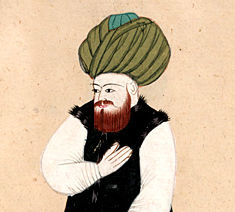
Kekaisaran Ottoman Di Kekaisaran Ottoman, keturunan Muhammad adalah semacam bangsawan dengan hak istimewa mengenakan turban hijau.
Apakah Sayyid Benar-benar Keturunan Nabi Muhammad?
Studi genetik Sayyid dari India
Penulis studi “Kromosom Y dari Syed di India” menunjukkan bahwa kromosom Y dari Syed yang diidentifikasi sendiri dari India dan Pakistan tidak beda beragamnya dari yang bukan Syed dari wilayah yang sama. Ini menunjukkan bahwa status Syed, daripada benar-benar turun melalui ayah, mungkin turun lewat rute lain. Di samping itu, tidak ada dasar biologis untuk mendukung keyakinan bahwa Syed yang di India dan Pakistan memiliki keturunan yg sama baru-baru ini.
Penipu
Di Kekaisaran Ottoman, pengecualian pembayaran pajak untuk orang Sayyid mendorong banyak orang untuk membeli sertifikat keturunan atau memalsukan silsilah; Fenomena teseyyüd – yaitu secara bohong mengklaim seseorang sebagai keturunan bangsawan – menyebar melintasi batas etnis, kelas, dan agama. Pada abad ke-17, seorang birokrat Utsmaniyah memperkirakan ada 300.000 penipu. Di Anatolia abad ke-18, hampir semua orang di kota besar di kelas atas mengaku dirinya sebagai keturunan Muhammad.
Keturunan campuran
Meskipun banyak Sayyid mengklaim bangsawan dan keunggulan karena garis keturunan mereka dengan Nabi Muhammad, kebanyakan Sayyid hanya dapat mengklaim keturunan melalui ayah. Orang Sayyid sering menikah dengan orang Arab yang bukan Sayyid dan bahkan orang yang bukan Arab sama sekali sehingga mereka memiliki sangat sedikit jejak genetik Nabi Muhammad. Tidak mengherankan, sebagian besar Sayyid, seperti Ba’Alawi di Asia Tenggara, bertampang campuran Asia dan Arab atau sepenuhnya Asia. Berikut adalah beberapa Sayyid Ba’Alawi yang terkenal menurut https://en.wikipedia.org/wiki/Ba_%27Alawi_sada yang bermuka Indonesia atau campuran Arab dan Indonesia.
Abdullah bin Alwi Alatas Pedagang
Drs. Kyai Hajji Habib Ali Alwi bin Thohir Al Husainy Politisi Indonesia
Habib Bahar bin Smith Pengkhotbah Indonesia
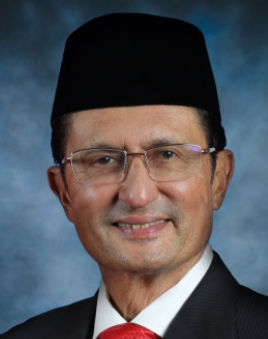
Fadel Muhammad Alhaddar Mantan menteri kelautan dan perikanan Indonesia
Husein Aidid Penulis lagu Indonesia
Mahdi Fahri Albaar Pemain Sepakbola Indonesia
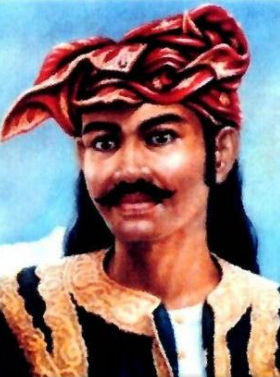
Mahmud Badaruddin II Sultan Kesultanan Palembang, Pahlawan Nasional Indonesia
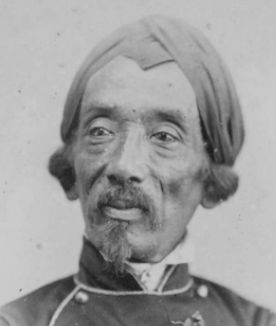
Raden Saleh Pelukis terkenal di Hindia Belanda
Radin Inten II Pahlawan Nasional Indonesia
Syarif Kasim II of Siak Sultan ke-12 Kesultanan Siak Sri Indrapura
Umay Shahab Aktor Indonesia
Keunggulan Sayyid
Kebanyakan Muslim menganggap Nabi Muhammad lebih unggul dari semua nabi lainnya. Hal ini dibuktikan dengan fakta bahwa hampir setiap masjid di dunia memiliki dua nama yang diletakkan berdampingan di dindingnya, yaitu nama “Muhammad” dan “Allah” (bahasa Arab untuk “Tuhan”). Sangat jarang Anda akan melihat nama-nama nabi lain seperti Ibrahim, Musa dan Yesus. Yang menarik, nama Muhammad sering berukuran sama dan tingginya sama dengan nama Tuhan, seolah-olah menunjukkan bahwa Muhammad sederajat dengan Tuhan, walaupun itu jelas-jelas bertentangan dengan keyakinan dasar Islam, tapi itu masalah yang berbeda dari topik artikel ini.
Masjid Hagia Sofia di Istanbul, Turki menunjukkan nama “Muhammad” di kiri dan “Allah” (Tuhan) di kanan.
Dengan meyakini keunggulan Muhammad, sebagian keturunan Nabi Muhammad dan bahkan Muslim lainnya menganggap Sayyid sebagai orang yang mulia yang agak lebih unggul dari orang lain. Misalnya, di kekaisaran Ottoman, pengecualian pembayaran pajak diberikan kepada orang Sayyid. Di Indonesia, banyak pelajar Islam pribumi Indonesia akan sujud dan mencium tangan Sayyid bahkan jika orang Sayyid itu seorang Muslim yang tidak mempraktekkan ibadah Islam.
Bukti lebih lanjut bahwa Sayyid menganggap diri mereka sebagai kelompok yang lebih unggul berasal dari pilihan mereka dalam pasangan nikah (atau pilihan pasangan nikah oleh orang tua untuk anak-anak mereka).
Di India, keluarga Sayyid tradisional jarang menikah di luar komunitas mereka dan menekankan pernikahan dengan Najeeb Altarfain (keturunan Sayyid dari sisi ibu dan ayah). Namun, tekanan endogami (pernikahan dalam suatu kaum) ini mulai menurun di antara keluarga-keluarga yang di kota-kota besar, dengan peningkatan eksogami (pernikahan diluar suatu kaum) dengan kelompok lain seperti Syaikh dan Mughal.
Di Indonesia sendiri saya tahu bahwa banyak Sayyid Ba’Alawi yang ngotot menikahi Sayyid Ba’Alawi lainnya, apalagi kalau orang Sayyid itu perempuan karena garis keturunannya diambil dari ayah, bukan ibu. Ironisnya, Nabi Muhammad sendiri tidak memiliki anak laki-laki, hanya seorang anak perempuan, namun banyak Sayyid menggunakan garis keturunan patrilineal (dari ayah) dalam silsilah keluarga mereka yang menghubungkan mereka dengan nabi.
Pernikahan
Untuk melanjutkan keturunan patrilineal mereka kepada nabi Muhammad dan rasa kebangsawanan dan keunggulan anak-anak mereka, orang Sayyid perempuan harus menikah dengan Sayyid lain. Sayangnya, menikahi seseorang berdasarkan nama keluarga dan bukan karena kecocokan cenderung berakhir dengan kekecewaan dan/atau perceraian.
Perempuan Sayyid menikahi laki-laki Sayyid
Dalam satu contoh, seorang Sayyid Ba’alawi perempuan yang saya kenal menikah dengan laki-laki Sayyid Ba’alawi yang ternyata bersifat keras dan bahkan mengancam akan membunuhnya. Itu jelas bukan perilaku yang mulia atau perilaku Nabi Muhammad.
Dalam contoh lain, seorang perempuan Ba’alawi Sayyid menikah dengan laki-laki Ba’alawi Sayyid yang adalah sepupunya. Pria itu kemudian menikah dengan wanita lain keturunan Arab tapi bukan Ba’Alawi sehingga memiliki dua istri. Istri pertama menolak pernikahan kedua dan melarikan diri. Lama lama, istri kedua menceraikan suaminya. Istri pertama, yang tidak pernah bekerja, bergantung pada suaminya sehingga akhirnya dia kembali kepadanya. Sekarang, mereka tinggal bersama tetapi tidur di kamar terpisah dan tidak berbicara satu sama lain.
Dalam contoh lain, seorang perempuan Ba’alawi Sayyid yang saya kenal menikah dengan Sayyid Ba’alawi tanpa mereka pernah bertemu secara langsung sebelum hari pernikahan mereka. Bahkan ada dukungan dan tekanan untuk pernikahan ini dari kedua keluarga seolah-olah pernikahan antara dua Sayyid adalah jaminan kesuksesan dan kebahagiaan. Maka tidak mengherankan bahwa pernikahan ini berakhir dengan perceraian setelah 10 tahun. Perempuan itu sekarang berusia 40an, tidak punya anak meski ingin punya anak, dan merasa sulit untuk menikah lagi.
Seorang perempuan Arab non-Sayyid menikah dengan laki-laki Sayyid
Beberapa perempuan non-Sayyid mungkin merasa bangga menikah dengan pria Sayyid supaya anak mereka dapat menjadi Sayyid. Meskipun orang Sayyid mungkin menganggap diri mereka superior, mereka sebenarnya hanyalah orang biasa. Seperti orang lain, ada orang Sayyid yang baik dan ada yang buruk. Saya kenal sama seorang wanita non-Sayyid yang menikahi dua Sayyid Ba’alawi. Dia menceraikan suami pertama setelah satu minggu dan menceraikan suami kedua setelah dapat 6 anak. Dia tidak pernah menikah lagi. Meskipun dia mungkin merasa bangga bahwa anak-anaknya adalah Sayyid dari pihak ayah, dia mungkin lebih kecewa karena pernikahannya gagal.
Seorang perempuan Sayyid menikah dengan laki-laki non-Arab, non-Sayyid
Kadang-kadang, seorang perempuan Sayyid menikah dengan non-Arab non-Sayyid. Ini terjadi pada saudara perempuan teman Ba’alawi Sayyid saya. Dia ingin menikah dengan orang Indonesia pribumi. Karena pernikahan ini tidak dapat diterima oleh keluarganya perempuan, sayangnya hanya sedikit orang yang menghadiri pernikahan dari pihak Sayyid. Mayoritas tamu pernikahan itu dari pihak pengantin pria.
Laki-laki Sayyid menikahi perempuan non-Arab dan non-Sayyid
Ada juga kasus di mana orang tua Sayyid memaksa anak laki-laki mereka menikah dengan perempuan Sayyid tetapi anak laki-laki mereka tidak mau. Dalam satu kasus, tiga saudara laki-laki Ba’alawi Sayyid masing-masing menikah dengan non-Sayyid yang berasal dari Mongolia, Jepang dan Indonesia. Meskipun orang tua mereka merasa sedih atau malu, putra mereka tampaknya bahagia dalam perkawinannya.
Situs web perjodohan perkawinan
Beberapa situs web perjodohan perkawinan bahkan memiliki kategori bagi orang-orang untuk mencari pria dan wanita Sayyid (Syed) seperti yang ini di India.
Ada profil orang yang tertulis bahwa mereka hanya mau untuk menikahi Sayyid lain. Dalam beberapa contoh, orang tua dapat membuat profil untuk putra atau putri mereka yang menyatakan bahwa mereka adalah orang Sayyid dan secara ketat mencari pasangan Sayyid saja dengan kata-kata seperti “Non-Sayyid tidak usah menghubungi kita dan membuang waktu kita.”
Tidak mengherankan, setelah beberapa generasi pernikahan antar ras, Sayyid yang mengidentifikasi dirinya di situs web ini terlihat seperti orang India pribumi, bukan Arab atau campuran Arab dan India.
Screenshot profil Sayyid di situs web perkawinan India
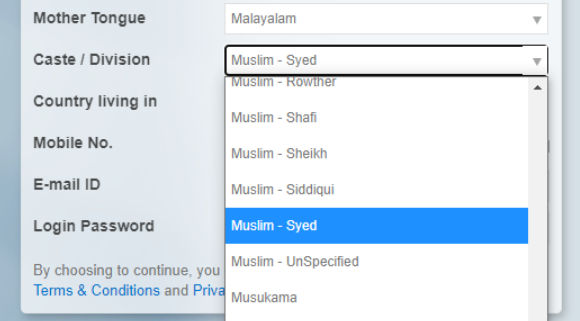
Di situs perjodohan perkawinan India lain, orang dapat memilih salah satu dari banyak, banyak “kasta”, salah satu diantaranya adalah “Muslim – Syed”.
Yang menarik (dan menyedihkan) adalah banyaknya kelompok di bawah kategori Muslim. Di situs web ini, seseorang dapat mencari dari salah satu kelompok Muslim berikut. Rupanya beberapa orang – mungkin banyak – merasa bahwa pembagian kategori “Muslim” ini penting tanpa menyadari bahwa pembagian ini hanya akan semakin memecah belah umat Islam daripada mempersatukan mereka. Selain itu, membatasi pilihan seseorang ketika mencari pasangan itu sangat membatasi potensi seseorang untuk mendapat pernikahan yang bahagia.
Muslim
Muslim – Ansari
Muslim – Arain
Muslim – Awan
Muslim – Bohra
Muslim – Dekkani
Muslim – Dudekula
Muslim – Hanafi
Muslim – Jat
Muslim – Khoja
Muslim – Lebbai
Muslim – Malik
Muslim – Mapila
Muslim – Maraicar
Muslim – Memon
Muslim – Mughal
Muslim – Pathan
Muslim – Qureshi
Muslim – Rajput
Muslim – Rowther
Muslim – Shafi
Muslim – Sheikh
Muslim – Siddiqui
Muslim – Syed
Muslim – UnSpecified
Sebagai seorang Muslim Amerika, saya tidak tahu ada kelompok-kelompok Muslim ini dan hanya minggu lalu saya dapat tahu tentang kelompok “Syed”. Dengan kata lain, untuk orang luar, tidak ada kelompok yang penting kecuali yang semua orang tahu, yaitu “Muslim”.
Bagaimana dengan Keturunan Nabi Lain?
Semua nabi dan rasul Islam derajatnya sama
Semua Muslim percaya bahwa ada banyak nabi Islam selain Muhammad. Beberapa nabi lebih terkenal dari yang lain, misalnya Adam, Nuh, Ibrahim, Musa, dan Yesus. Sayangnya, Muslim, baik Sayyid maupun non-Sayyid, secara keliru percaya bahwa Muhammad lebih tinggi derajatnya dari semua nabi lainnya. Sebenarnya, tidak ada perbedaan yang boleh dibuat antara nabi dan rasul Tuhan. Ini terbukti dalam ayat-ayat berikut.
Katakanlah: Kami percaya pada Allah dan apa yang telah diwahyukan kepada kita, dan apa yang diwahyukan kepada Ibrahim dan Ismail dan Ishak dan Yakub dan suku-suku, dan apa yang diberikan kepada Musa dan Yesus, dan apa yang diberikan kepada para nabi dari Tuhan mereka, kami tidak membuat perbedaan apapun di antara mereka (nabi), dan kami adalah Muslim kepada-Nya. (2:136)
Rasul (Muhammad) telah percaya pada apa yang diturunkan kepadanya dari Tuhannya, dan [begitu juga] orang mukmin (orang yang percaya / beriman). Mereka semua percaya pada Tuhan dan malaikat-Nya dan buku-buku-Nya dan para rasul-Nya, [dan berkata], “Kami tidak membedakan antara rasul-rasul-Nya.” Dan mereka berkata, “Kami mendengar dan kami taat. [Kami mencari] pengampunan-Mu, Tuhan kami, dan bagi-Mu adalah tujuan [akhir].” (2:285)
Katakanlah, “Kami telah percaya pada Tuhan dan apa yang telah diturunkan kepada kami dan apa yang diturunkan kepada Ibrahim, Ismail, Ishak, Yakub, dan Keturunan [al-Asbat], dan dalam apa yang diberikan kepada Musa dan Yesus dan kepada para nabi dari Tuhan mereka. Kami tidak membuat perbedaan di antara mereka (nabi-nabi), dan kami adalah Muslim kepada-Nya. ” (3:84)
Ayat 4:152 menunjukkan bahwa Tuhan akan memberi hadiah kepada orang-orang mukmin yang tidak membeda-bedakan antara rasul siapapun. Ini berarti bahwa orang beriman, termasuk Sayyid, yang menganggap Nabi Muhammad lebih tinggi dari nabi dan rasul lainnya tidak akan diberi hadiah dari Tuhan.
Dan mereka yang percaya pada Tuhan dan rasul-Nya dan tidak membeda-bedakan antara mereka (rasul-rasul) – bagi mereka Dia akan memberikan hadiah. Dan selalu Tuhan adalah Pengampun dan Penyayang. (4:152)
Sekarang telah terbukti bahwa
semua nabi dan rasul adalah sama (derajatnya sama)
Muslim tidak diperbolehkan untuk melihat nabi dan rasul memiliki derajat lain lain
Muhammad tidak lebih tinggi derajatnya dari nabi dan rasul lainnya
Mari kita lihat apa yang Alquran katakan tentang beberapa keturunan dari nabi lainnya.
Sebagian dari keturunan nabi Ibrahim adalah orang yang salah
Dalam ayat 2:124, kita melihat bukti bahwa tidak semua keturunan nabi Ibrahim benar. Tuhan mengakui bahwa sebagiannya salah meskipun mereka keturunan nabi Ibrahim.
Dan [sebutkan, ya Muhammad], ketika Ibrahim diuji oleh Tuhan dengan perintah dan dia memenuhi perintah itu. [Tuhan] berkata, “Sungguh, Aku akan menjadikanmu seorang pemimpin bagi rakyat.” [Ibrahim] berkata, “Dan keturunan saya?” [Tuhan] berkata, “Perjanjian saya tidak mencakup orang-orang yang melakukan kesalahan.” (2:124)
Dalam ayat 37:112-113 kita melihat bahwa nabi Ibrahim diberkahi dengan putra bernama Ishak tetapi sebagian dari keturunan mereka adalah orang berdosa yang tidak benar.
Dan Kami beri dia [Ibrahim] kabar baik (merupakan anak yang namanya) Ishak, seorang nabi dari orang-orang yang benar. Dan Kami memberkahi dia dan Ishak. Tapi di antara keturunan mereka ada orang-orang pelaku kebenaran dan orang-orang yang jelas merusak dirinya sendiri [yaitu, orang berdosa]. (37:112-113)
Dalam ayat 11:1-18, kita melihat bukti bahwa semua anak Nabi Yakub tidak benar kecuali satu. Mereka mencoba membunuh saudara mereka, Yusuf, dengan melemparkannya ke dalam sumur. Yusuf kemudian menjadi seorang nabi.
Dalam ayat 11:46 kita melihat bukti bahwa keturunan langsung nabi Nuh (salah satu putranya) tidak benar.
Dia [Allah] berkata, “Wahai Nuh, memang dia (anak Anda) bukan dari keluarga Anda, (karena) memang ia adalah [orang yang] kelakuannya tidak benar / saleh, maka jangan berdoa kepada-Ku (untuknya) apa yang kamu tidak ketahui. Sesungguhnya, Aku menasihati kamu, jangan sampai kamu termasuk orang yang tidak peduli sama kenyataan.” (11:46)
Perhatikan bahwa dalam ayat di atas, Tuhan memberi tahu Nuh bahwa
Salah satu putranya Nuh tidak benar / saleh
Nuh tidak boleh menganggap putranya yang tidak benar itu sebagai anggota keluarganya
Nuh seharusnya tidak meminta (berdoa kepada) Tuhan untuk membantu (mengampuni) putranya
Dalam ayat 57:26 kita melihat bukti jelas bahwa banyak (bukan “beberapa”, tapi “banyak”) dari keturunan nabi Nuh dan Ibrahim adalah pelaku kesalahan (“bersifat keras untuk tidak taat”). Kata “banyak” yang digunakan dalam ayat ini adalah “katheer” / كَثِيرٌۭ dalam bahasa Arab yang jelas berarti “banyak”.
Dan Kami telah mengutus Nuh dan Ibrahim dan menempatkan di keturunan mereka kenabian dan kitab suci; dan di antara mereka adalah dia yang dapat petunjuk (hidayah), tetapi banyak dari mereka yang tidak taat. (57:26)
Ada kemungkinan bahwa ayat ini bicara tentang orang-orang yang tinggal di masyarakatnya keturunan Nuh dan Ibrahim tetapi, menurut kata-kata dalam ayat-ayat di atas, kemungkinan besar ayat ini bermaksud bahwa yang banyak melakukan kesalahan adalah keturunan nabi Nuh dan Ibrahim.
Bagaimana dengan Keturunan Nabi Musa dan Yesus?
Menurut Alquran, Musa dan Yesus adalah nabi dalam Islam. Mereka adalah dua nabi yang sering disebutkan dalam Alquran. Alquran menyebut pengikut mereka Ahli Kitab (Arab: Ahl Al-Kitaab) karena mereka adalah pengikut kitab suci, Taurat Yahudi. Orang Yahudi dan Kristen menghormati Musa dan Yesus sama seperti pengikut Alquran menghormati Muhammad. Tetapi, Yahudi dan Kristen memiliki sikap yang berbeda terhadap keturunan nabi-nabi tersebut.
Keturunan Nabi Yesus
Dalam kasus Yesus, tidak ada masalah karena dia tidak memiliki keturunan.
Keturunan Nabi Musa
Dalam kasus Musa, dia memiliki dua putra, Gersom dan Eliezer. Tapi, ketika tiba waktunya untuk memilih pengganti Musa, orang bijak Yahudi berkata bahwa Musa meminta salah satu putranya diangkat. Tapi, Tuhan menjawab dengan, “Anak-anakmu duduk dan tidak menyibukkan diri dengan Taurat. Yosua, yang melayani Anda, cocok untuk melayani Israel. ” Jadi, Yosua, bukan putra Musa, menjadi pemimpin suku-suku Israel setelah kematian Musa (Deuteronomy 31:1–8; 34:9).
Musa memiliki seorang kakak laki-laki, Harun, yang memiliki empat putra. Meskipun putra-putra Musa tidak mengikuti tradisi Musa, putra-putra Harun memang membawa tradisi luhur ayah mereka. Tuhan menganggap keponakan Musa (anak-anak Harun) sebagai anak-anak Musa, karena Musa-lah yang mengajari mereka Taurat. Ini tercermin dalam ayat Numbers 3:1 yang dimulai dengan “Ini adalah keturunan Musa dan Harun…” tetapi hanya mencantumkan keempat putra Harun. Tuhan meyakinkan Musa bahwa bahkan Yosua pun perlu berunding dengan putra Harun, Imam Besar, untuk mengetahui kehendak Tuhan.
Meskipun Musa memiliki dua putra, mereka tidak istimewa dan orang Yahudi tidak menganggap keturunan Musa lebih istimewa dari siapa pun. Mungkin orang Muslim bisa mendapat pelajaran dari sikap benar ini dari orang-orang Yahudi.
Bagaimana dengan Istri Para Nabi?
Banyak Muslim percaya bahwa istri-istri Nabi Muhammad adalah wanita-wanita yang superior dan saleh. Karena telah dibuktikan di atas bahwa semua nabi dan rasul adalah sederajat, maka orang mungkin juga berpikir bahwa istri dari nabi dan rasul lainnya juga lebih tinggi dan saleh. Mari kita lihat apa yang Quran katakan tentang ini.
Dalam ayat 66:10 kita melihat bukti bahwa meskipun nabi Nuh dan Lut adalah hamba Tuhan yang benar / saleh, istri mereka adalah orang berdosa dan dikirim ke Neraka. Ayat ini juga membuktikan bahwa nabi yang saleh tidak memiliki kuasa untuk menyelamatkan istri mereka yang berdosa dari Neraka.
Allah memberi contoh orang-orang kafir: istri Nuh dan istri Lut. Mereka berada di bawah dua hamba Kami yang benar / saleh tetapi mengkhianati mereka, mereka [yaitu, para nabi itu] sama sekali tidak memanfaatkan (dapat menyelamatkan) (istri-istri) mereka dari Tuhan, dan dikatakan (kepada istri-istri mereka), “Masuki Api bersama mereka yang masuk.” (66:10)
Dalam ayat 33:30 kita membaca bahwa jika ada istri nabi Muhammad yang melakukan dosa, maka hukuman mereka akan menjadi dua kali lipat dari orang lain.
Ya istri-istri Nabi, siapa pun dari Anda yang melakukan suatu perbuatan amoral – untuk dia hukumannya akan menjadi dua kali lipat, dan (hukuman) itu, buat Allah, mudah dilakukan. (33:30)
Menurut ayat di atas, menjadi jelas bahwa bersaudara dengan nabi Muhammad tidak mengecualikan mereka untuk melakukan kebenaran dan tidak menjamin mereka masuk surga.
Syafaat oleh Nabi Muhammad
Beberapa Sayyid percaya bahwa keturunan mereka kepada Nabi Muhammad akan membantu mereka mendapatkan akses ke surga dengan cara Nabi Muhammad menjadi perantara (syafaat) atas nama mereka di akhirat. Keyakinan ini sangat berbahaya karena memberi rasa aman yang palsu. Menurut ayat 2:123, tidak ada seorang pun, termasuk nabi Muhammad, yang memiliki kemampuan untuk menjadi perantara atas nama siapa pun pada hari itu.
Dan takutlah pada suatu Hari (Hari Keadilan / Pembalasan) bila tidak ada jiwa dapat membantu jiwa lain sama sekali, dan tidak ada kompensasi yang akan diterima darinya, juga tidak akan ada perantaraan yang menguntungkannya, juga mereka tidak akan dibantu. (2:123)
Ayat di atas membuktikan bahwa dalam urusan agama, setiap orang bertanggung jawab atas dirinya sendiri, dan tidak ada leluhur, tidak peduli seberapa terkenal atau mulia mereka, baik mereka meninggal kemarin atau 1400 tahun yang lalu, dapat bermanfaat bagi siapa pun, termasuk keturunannya.
Membandingkan Sayyid dengan Kelompok Lain
Jelas, Sayyid bukanlah satu-satunya orang yang berpikir bahwa mereka lebih unggul dari orang lain. Berikut adalah beberapa contoh kelompok orang lain yang juga memiliki perasaan unggul karena keturunannya.
Hindu
Sistem kasta Hindu membagi umat Hindu menjadi empat kategori utama – Brahmana, Ksatria, Waisya dan Sudra. Banyak yang percaya bahwa kelompok tersebut berasal dari Brahma, Dewa Pencipta Hindu. Di luar sistem kasta Hindu ini adalah orang-orang achhoots – Dalit atau Untouchables (orang yang tak tersentuh). Dalam sistem ini, semakin tinggi kasta Anda, semakin tinggi pula derajat Anda.
Hierarki kasta Hindu
Perhatikan bahwa, seperti untuk orang Sayyid, sistem kepercayaan Hindu ini didasarkan atas kelahiran – tidak ada yang dapat berpindah dari satu kelompok ke kelompok lain, baik naik derajat maupun turun. Dari sudut pandang seorang Hindu dari kasta tinggi, seorang Sayyid Muslim dapat dianggap lebih rendah dari mereka. Salah satu konsekuensi dari sistem kasta Hindu yang sangat tidak adil ini adalah konversi banyak Dalit ke Islam dengan harapan bisa lepas dari diskriminasi. Sayangnya, menurut artikel BBC Mengapa banyak Muslim India dipandang tak tersentuh?, bahkan Muslim dari kasta tinggi akan mendiskriminasi orang Dalit yang telah masuk Islam.
Orang-orang Dalit dianggap tidak murni oleh kasta Hindu dan banyak dari mereka bekerja di bidang sanitasi.
Seorang pekerja sanitasi Dalit
Meskipun konstitusi India melarang diskriminasi atas dasar kasta, diskriminasi berdasarkan kasta masih banyak terjadi.
Keunggulan orang putih (White Supremacy)
Kelompok “Keunggulan Orang Putih” percaya bahwa orang kulit putih merupakan ras yang unggul dan oleh karena itu harus mendominasi masyarakat, biasanya dengan mengesampingkan atau merugikan kelompok ras dan etnis lain, khususnya orang kulit hitam yang berasal dari Afrika atau Yahudi. Beberapa anggota kelompok ini berpendapat bahwa darah mereka “murni” atau bahwa mereka memiliki keturunan “murni” dari orang kulit putih Eropa. Tidak jarang seorang anggota kelompok ini berpikir bahwa mereka berketurunan orang Eropa murni tetapi setelah mereka mengambil tes genetik, ternyata mereka memiliki keturunan campuran dengan orang bukan Eropa.
Oops! That’s embarrassing.
Misalnya, banyak orang kulit putih mungkin terlihat seperti orang kaukasia tetapi sebenarnya memiliki keturunan campuran pribumi Amerika atau Meksiko. Kenyataan yang pasti mengejutkan ini membuat beberapa orang menolak begitu saja hasil tes genetik supaya mereka dapat melanjutkan perasaan superior mereka.
Walaupun hukum di Amerika Serikat melarang diskriminasi karena ras, warna kulit, agama, asal kebangsaan, jenis kelamin, umur, dan lain lain, masih banyak diskriminasi ditemukan di masyarakat.
Contoh-contoh lain
Jika dipikir-pikir, rasisme dan orang-orang yang memiliki sikap superioritas ada di semua lapisan masyarakat. Beberapa contoh adalah:
Orang yang tinggal di kota mungkin berpikir mereka lebih unggul daripada orang yang tinggal di daerah pedesaan
Orang kaya mungkin berpikir mereka lebih unggul dari orang miskin
Orang India atau Afrika berkulit putih mungkin berpikir mereka lebih unggul dari orang India atau Afrika berkulit gelap (produk pemutih kulit adalah bisnis besar di India dan Afrika)
Orang berpendidikan mungkin merasa lebih unggul dari orang yang tidak berpendidikan
Orang yang memiliki rumah mungkin merasa lebih unggul daripada orang yang menyewa rumah
Orang yang memiliki mobil mungkin merasa lebih unggul daripada orang yang harus naik angkutan umum
Seorang Amerika, yang lahir dan tinggal di negara terkaya dan terkuat di dunia, mungkin merasa lebih unggul dari semua orang yang bukan dari Amerika.
Kebanyakan Sayyid akan percaya bahwa sistem kasta Hindu, supremasi orang kulit putih, dan contoh-contoh lain di atas keterlaluan dan sama sekali tidak dapat diterima. Ironisnya, cara berpikir banyak orang Sayyid tidak berbeda dengan kelompok lain yang mengklaim keunggulan.
Oops! That’s embarrassing.
Salawaat
Dalam Quran, Surah al-Ahzab (33), Ayat 56 kita membaca bahwa Tuhan dan Malaikat-Nya mengirim salawaat (berkah) kepada Muhammad dan Tuhan memerintahkan orang-orang beriman untuk mengirim salawaat ke Muhammad juga.
“Allah dan Malaikat-Nya memberi salawaat pada Nabi (Muhammad). Hai orang yang beriman! (Ucapkan) salawaat Anda pada dia, dan beri hormat kepadanya.”
Kata Salawaat adalah bentuk jamak dari kata salat yang berarti doa, berkah atau penghargaan. Beberapa Sayyid berpikir bahwa karena Tuhan dan Malaikat-Nya mengirimkan salawaat kepada nabi Muhammad, maka Muhammad harus lebih unggul dari semua nabi lainnya dan lebih jauh lagi, keturunan Muhammad ikut lebih unggul dari orang-orang lain. Mereka dapat dengan mudah dibuktikan salah dengan membaca beberapa ayat sebelum ayat di atas. Dalam Al-Qur’an Surah al-Ahzab (33), Ayat 41-43 kita menemukan bahwa Tuhan dan Malaikat-Nya mengirimkan salawaat kepada SEMUA orang yang beriman.
Hai orang-orang yang beriman, ingatlah Allah dengan banyak ingatan (zikir). Dan muliakan Dia pagi dan sore. Dialah yang memberi salawaat kepada Anda (orang-orang yang beriman), dan para malaikat-Nya [memberi salawaat juga] sehingga Dia dapat membawa Anda keluar dari kegelapan menuju keterangan. Dan selalu Dia, bagi orang yang beriman, Penyayang.
Ketika orang Muslim sembahyang, mereka membaca salawaat menjelang akhir shalat. Biasanya ucapannya sebagai berikut:
Allah, kirimlah salawaat pada Muhammad dan keluarga Muhammad, sebagaimana Anda telah mengirimkan salawaat untuk Ibrahim dan keluarga Ibrahim. Sungguh, Engkau Terpuji dan Mulia. Allah, berkatilah Muhammad dan keluarga Muhammad, karena Anda telah memberkati Ibrahim dan keluarga Ibrahim. Sungguh, Engkau Terpuji dan Mulia.
Di sini, kita melihat bahwa salawaat dilakukan bukan hanya untuk Muhammad tetapi untuk keluarganya Muhammad juga. Tapi, tidak ada instruksi dalam Al Qur’an bagi orang-orang beriman untuk mengirim salawaat kepada keluarga Muhammad. Seharusnya tidak mengherankan bahwa Islam, seperti banyak agama lain, telah berubah banyak karena politik, tradisi lokal, perang, dll. Itu salah satu sebabnya Islam menjadi bercabang dengan banyak aliran. Oleh karena itu, orang-orang yang berpengaruh, misalnya beberapa Sayyid dahulu kala, mungkin telah memodifikasi ucapan salawaat untuk memasukkan keluarga Muhammad untuk keuntungan pribadi mereka sendiri.
Membagi Umat Muslim
Jika Sayyid percaya bahwa mereka lebih unggul dari orang lain, maka mereka membagi umat Muslim. Menurut ayat 6:159, pikiran ini bukan hanya tidak dapat diterima, tetapi Tuhan bahkan mengatakan kepada Muhammad bahwa Muhammad tidak ada hubungannya dengan mereka.
Sesungguhnya, orang-orang yang telah membagi agama mereka dan menjadi sekte – Anda, [Ya Muhammad], tidak [terkait] dengan mereka dalam apapun. Urusan mereka untuk Tuhan; kemudian Dia akan memberi tahu mereka tentang (kesalahan) apa yang mereka lakukan. (6:159)
Ironisnya, orang-orang Sayyid menggunakan hubungannya dengan Muhammad untuk membenarkan rasa superioritas mereka yang membagi umat Islam sedangkan Tuhan mengatakan bahwa Muhammad tidak ada hubungannya dengan orang-orang Sayyid justru karena sebab itu.
Oops! That’s embarrassing.
Setan (Bapak Kesombongan) dan Sayyid
Ironisnya, para Sayyid Muslim yang percaya bahwa mereka lebih unggul dari orang lain ternyata berperilaku seperti Setan sendiri. Menurut Alquran, Setan (jin) merasa lebih unggul dari Adam (manusia) karena Setan dibuat dari api tanpa asap sedangkan Adam terbuat dari tanah liat.
Api tanpa asap dan tanah liat
Jelas, perbedaan biologis Setan dengan Adam jauh lebih jelas daripada perbedaan genetik yang tidak terlihat antara Sayyid dan non-Sayyid. Kita semua (orang-orang Yahudi, Kristen dan Muslim) tahu bagaimana ceritanya berakhir. Kesombongan dan kompleks superioritas setan akan membawanya ke Neraka untuk selamanya.
Keturunan Adam – Nabi Pertama Islam
Kebanyakan orang lebih menghormati pendiri atau pemula sesuatu, misalnya pendiri atau pemula agama, negara, revolusi, suatu gerakan, perusahaan yang sangat sukses, dll, daripada pemimpin berikutnya. Inilah salah satu sebab mengapa kebanyakan Muslim sangat menghormati Nabi Muhammad – mereka berpikir bahwa Muhammad adalah Muslim pertama dan pendiri Islam. Yang memalukan bagi mereka, dapat dengan mudah dibuktikan dengan Al-Qur’an bahwa Muhammad bukanlah Muslim dan nabi Islam pertama dan bahwa dia adalah nabi terakhir dari rantai panjang nabi. Dalam ayat 16:123, Tuhan secara khusus menyuruh Muhammad untuk mengikuti agamanya Nabi Ibrahim.
Kemudian Kami [Allah] mewahyukan kepada Anda, [ya Muhammad], untuk mengikuti agama (bahasa Arab: millat) Ibrahim, menuju kebenaran; dan dia (Ibrahim) bukan seperti mereka yang syirik. (16:123)
Daripada berfokus pada Muhammad, nabi terakhir Islam, bagaimana jika umat Islam berfokus pada Adam, nabi pertama Islam? Meskipun Quran tidak secara harfiah menyebutkan bahwa Adam adalah seorang nabi atau rasul Islam, kenabiannya jelas tersirat dalam ayat 3:33 di mana ia disebut sederajat dengan nabi Nuh, Ibrahim dan Imran.
Sesungguhnya, Tuhan memilih Adam dan Nuh dan keluarga Ibrahim dan keluarga Imran atas alam semesta – (3:33)
Nabi Adam bukan hanya pendiri dan nabi pertama Islam tetapi juga pendiri umat manusia (setiap orang adalah keturunan Adam). Tidak ada silsilah keluarga yang dibutuhkan untuk membuktikan keturunan seseorang dari Adam. Akibatnya, setiap orang setara dalam hal keturunan bangsawan dan tidak ada yang bisa mengklaim keunggulan berdasarkan garis keturunan yang, seperti dibuktikan di atas, adalah sifat Iblis! Mungkin keturunan Ba’Alawi lebih baik menyebut diri mereka keturunan Ba’Adam, yaitu Bani Adam (keturunan Adam), saja.
Orang Paling Mulia
Jika kita benar-benar ingin memilih seseorang atau sekelompok orang yang dianggap mulia menurut Islam, maka kita dapat dengan mudah menemukan siapa mereka dari Alquran. Ayat 49:13 menjelaskan bahwa orang yang paling mulia adalah orang yang paling bertaqwa. Dan, jelas ketawqaan itu tidak didasarkan pada kelahiran tetapi tindakan seseorang.
Hai manusia, sesungguhnya Kami telah menciptakan kamu dari laki-laki dan perempuan dan membuat kalian bangsa dan suku yang mungkin kalian kenal satu sama lain. Sesungguhnya, yang paling mulia dari Anda di mata Allah adalah yang paling bertaqwa dari Anda. Sesungguhnya, Allah Maha Mengetahui dan Sadar. (49:13)
Hadits
Beberapa Sayyid mungkin berpendapat bahwa ada hadits sahih yang mendukung argumen bahwa Nabi Muhammad dan keturunannya lebih unggul dari orang lain. Mereka dianjurkan membaca artikel saya yang membuktikan bahwa hadits bukanlah sumber yang sah dari hukum Islam dan bahwa menggunakan hadits sebagai hukum Islam merupakan bentuk dari kesyirikan dan menyebabkan orang menjadi kafir.
Bukti-bukti Alquran dan argumen logis di atas memperjelas bahwa keturunan Nabi Muhammad tidak lebih unggul sama sekali dibandingkan dengan umat manusia lainnya. Kesimpulan ini sangat jelas di negara-negara Barat non-Islam tetapi sayangnya, banyak orang di negara-negara Islam terlalu cuek dan menolak kesimpulan ini, mungkin karena mereka memiliki sikap bahwa tradisi harus benar meskipun bertentangan dengan logika. Mungkin mereka sebaiknya mundur selangkah dan merenungkan ayat berikut.
Following is proof that the Quran alone is sufficient and complete for the purposes of Islamic guidance and law. Consequently, the hadith books are not needed to supplement or clarify the Quran.
The Quran is complete
Fortunately, we don’t need to guess whether verse 31:27 suggests that the Quran is complete. God admits in verses 6:115 and 6:38 that the Quran is complete. Also, common sense says that God is perfect. Therefore, why would God send down an incomplete Quran? Was God too busy that He couldn’t finish the Quran? Obviously not. Did God say in the Quran that because the Quran is incomplete, we have to figure out the missing parts from Prophet Muhammad’s sayings (hadith)? Obviously not.
And there is no creature on [or within] the earth or bird that flies with its wings except [that they are] communities like you. We have not neglected in the Register a thing. Then unto their Lord they will be gathered. (6:38)
The Quran is fully detailed (fussilat) of all things
Not only is the Quran complete, but it’s also detailed.
There was certainly in their stories a lesson for those of understanding. Never was the Qur’an a narration invented, but a confirmation of what was before it and a detailed explanation of all things and guidance and mercy for a people who believe. (12:111)
And is it not sufficient for them that We revealed to you the Book which is recited to them? Indeed in that is a mercy and reminder for a people who believe. (29:51)
The fact that the Quran is sufficient all by itself is further indicated in verses 17:45-46. Note the emphasis of the Quran being sufficient on its own with the use of the word “alone”.
And We have placed over their hearts coverings, lest they understand it, and in their ears deafness. And when you mention your Lord in the Qur’an alone, they turn back in aversion. (17:46)
God never runs out of words
Many people seem to think that the Quran is incomplete and therefore, believe that Prophet Muhammad’s sayings (hadith) complete the Quran. According to verse 31:27, God never runs out of words. Therefore, God could have written more words in the Quran to explain things to people. But since God didn’t write more than what’s in the Quran, He must have considered the Quran complete.
And if whatever trees upon the earth were pens and the sea [was ink], replenished thereafter by seven [more] seas, the words of Allah would not be exhausted. Indeed, Allah is Exalted in Might and Wise. (31:27)
The best hadith (statement) is God’s statement (the Quran)
In verse 39:23, God says that the best saying / statement (hadith) is God’s hadith. So why would anyone want to follow some other hadith, e.g. via Bukhari, Muslim, Tirmidzhi, etc?
Many Muslims believe that the Islamic prayer began with Muhammad. However, below is proof that people prayed Islamically much before Muhammad was even born.
Additionally, many Muslims argue that the Quran is incomplete because it doesn’t explain how to pray and therefore the hadith are required to clarify the shortcomings of the Quran. This argument is invalid because
God says the Quran is complete (6:115) (6:38)
God says the Quran is fully detailed of all things (6:114) (12:111) (41:3) (11:1)
God says the Quran is clarification of all things (16:89)
God taught Abraham how to pray (21:73). Ever since then, people already knew how to pray and therefore God didn’t need to explain in the Quran how to do it again.
God told Muhammad to establish prayer and give zakah in Quran chapter 73. This is the 3rd chapter that was revealed to Muhammad. The first and second chapters that were revealed to Muhammad were chapters 96 and 68. Neither one of these three chapters explain to Muhammad how to pray. That makes sense because people at the time (and since prophet Abraham) already knew how to pray.
Prophet Ibrahim, Lot, Isaac and Jacob prayed
God said, “O fire, be coolness and safety upon Abraham.” … And We delivered him (Abraham) and Lot to the land which We had blessed for the worlds. And We gave him Isaac and Jacob in addition, and all [of them] We made righteous. And We made them leaders guiding by Our command. And We inspired to them the doing of good deeds, establishment of prayer, and giving of zakah; and they were worshippers of Us. (21:69 – 21:73)
And mention in the Book, Ishmael. Indeed, he was true to his promise, and he was a messenger and a prophet. And he used to enjoin on his people prayer and zakah and was to his Lord pleasing. (2:40 – 2:43)
And [mention, O Muhammad], when We designated for Abraham the site of the House (Kaaba), [saying], “Do not associate anything with Me and purify My House for those who perform Tawaf and those who stand [in prayer] and those who bow and prostrate. (22:26)
Many other people before Muhammad’s time prayed
In verses 19:58-59, we are told that God blessed many prophets before Muhammad and that after them, some generations stopped praying. This indicates that they did know how to pray.
Those were the ones upon whom God bestowed favor from among the prophets of the descendants of Adam and of those We carried [in the ship] with Noah, and of the descendants of Abraham and Israel, and of those whom We guided and chose. When the verses of the Most Merciful were recited to them, they fell in prostration and weeping. But there came after them successors who neglected prayer and pursued desires; so they are going to meet evil. (19:58-59)
Example prayer form before Muhammad’s time
In 2:43, the Children of Israel (Jews) were told to pray. According to Hayim H. Donin in his book titled “To Pray As A Jew“, we see diagrams as shown below describing the ancient way Jews prayed. Unsurprisingly, the way they prayed is very similar to how Muslims today pray, even though Jews today no longer pray the way ancient Jews prayed.
It is interesting to learn from this book that Jews also wash before praying (like ablution / wudhu for Muslims) and have a call for prayer (like the adhan for Muslims).
People didn’t and don’t learn how to pray from the hadith
Many people argue that Islam originated with Muhammad and that the hadith of the Prophet Muhammad are necessary to explain the details of prayer which are missing from the Quran. However, as we have proven above,
(Submission) Islam originated with Abraham
Muhammad was instructed to follow the religion of Abraham
People prayed ever since the time of Prophet Abraham
Logically, God didn’t go into detail to describe how to pray because people already knew how to pray ever since Abraham’s time. Just like people nowadays learn to pray from the practice being passed on from generation to generation, that too happened since Abraham’s time. No one both past and present learn to pray by reading the hadith.
Did you learn to pray from reading the hadith or did you learn from your parents or teachers?
Quran-Follower (Muslim) Prayer
Submitters who follow the Quran (Muslims) are supposed to pray 5 times a day. Following is what they say.
Torah-Follower (Jewish) Prayer
Submitters who follow the Torah (Jews) usually pray 2 times a day. Following, known as the Shema, is what they say.
4 Hear, O Israel: the LORD our God, the LORD is one.
5 And thou shalt love the LORD thy God with all thy heart, and with all thy soul, and with all thy might.
6 And these words, which I command thee this day, shall be upon thy heart;
7 and thou shalt teach them diligently unto thy children, and shalt talk of them when thou sittest in thy house, and when thou walkest by the way, and when thou liest down, and when thou risest up.
8 And thou shalt bind them for a sign upon thy hand, and they shall be for frontlets between thine eyes.
9 And thou shalt write them upon the door-posts of thy house, and upon thy gates.
13 And it shall come to pass, if ye shall hearken diligently unto My commandments which I command you this day, to love the LORD your God, and to serve Him with all your heart and with all your soul,
14 that I will give the rain of your land in its season, the former rain and the latter rain, that thou mayest gather in thy corn, and thy wine, and thine oil.
15 And I will give grass in thy fields for thy cattle, and thou shalt eat and be satisfied.
16 Take heed to yourselves, lest your heart be deceived, and ye turn aside, and serve other gods, and worship them;
17 and the anger of the LORD be kindled against you, and He shut up the heaven, so that there shall be no rain, and the ground shall not yield her fruit; and ye perish quickly from off the good land which the LORD giveth you.
18 Therefore shall ye lay up these My words in your heart and in your soul; and ye shall bind them for a sign upon your hand, and they shall be for frontlets between your eyes.
19 And ye shall teach them your children, talking of them, when thou sittest in thy house, and when thou walkest by the way, and when thou liest down, and when thou risest up.
20 And thou shalt write them upon the door-posts of thy house, and upon thy gates;
21 that your days may be multiplied, and the days of your children, upon the land which the LORD swore unto your fathers to give them, as the days of the heavens above the earth.
37 And the LORD spoke unto Moses, saying:38 ‘Speak unto the children of Israel, and bid them that they make them throughout their generations fringes in the corners of their garments, and that they put with the fringe of each corner a thread of blue.
39 And it shall be unto you for a fringe, that ye may look upon it, and remember all the commandments of the LORD, and do them; and that ye go not about after your own heart and your own eyes, after which ye use to go astray;
40 that ye may remember and do all My commandments, and be holy unto your God.
41 I am the LORD your God, who brought you out of the land of Egypt, to be your God: I am the LORD your God.’
The Quran describes different types of people as follows:
Submitter (Muslim)
Believer (Mu’min)
Idolater (Mushrik)
People of the Book (Ahl E-Kitaab)
Disbeliever / Rejector (Kafir)
Hypocrite (Munafiq)
Idolater (Mushrik)
They are polytheists (people who worship more than one God). Mushrikeen comes from the Arabic word “shirk” which, in general, means “to share”. With respect to the Quran, “shirk” means sharing others as partners besides God.
Submitters (Muslims)
They are monotheists (people who submit to one, true God). They are not necessarily Believers as true belief may not have entered into their hearts yet. Being a submitter is a prerequisite to being a believer.
The desert Arabs say, “We believe!” Say, “Do not say you believe; but only say, ‘We have submitted our wills to God (as Submitters / Muslims),’ as belief has not yet entered your hearts. But if you obey God and His Messenger, He will not deprive you anything of your deeds: for God is Oft-Forgiving, Most Merciful.” (49:14)
Believer (Mu’min)
They believe in God, His angels, His books, and His messengers and don’t differentiate between any of His messengers.
“The messenger believes in that which has been revealed to him from his Lord and (so do) believers. Each one believes in God and His angels and His scriptures and His messengers – We make no distinction between any of His messengers – and they say: We hear, and we obey. …. ” (2:285)
Prophet Moses was a Submitter (Muslim) and after seeing a sign from God, he became a Believer (Mu’min)
“And when Moses came to the place appointed by Us and his Lord spoke to him, He said: “O my Lord! show (Yourself) to me, that I may look upon You.” God said: “By no means can you see Me; But look upon the mount; if it remains in its place, then shall you see Me.” But when his Lord manifested His glory on the Mount, He made it crumble to dust. And Moses fell down in a swoon / unconscious. When he recovered his senses he said: “Glory be to You! to You I turn in repentance and I am the first to believe.” (7:143)
Disbeliever / Rejector (Kafir)
Disbelievers (Kafirs) are people who, after understanding the message of truth (worship the one, true God), deny the truth. They intentionally disbelieve in the one, true God. Kafir comes from the Arabic word “kufr” which means to hide. Kafirs hide the truth and refuse to accept it. They will go to Hell.
“As for the Disbelievers, Whether you warn them or you warn them not it is all one for them; they believe not. God has sealed their hearing and their hearts, and on their eyes there is a covering. Theirs will be an awful doom” (2:6-7)
Even if Prophet Muhammad asks God to forgive disbelievers, God will not forgive them. They are walking dead because they’re just waiting to go to Hell.
“Ask forgiveness for them (O Muhammad), or ask not forgiveness for them; though you ask forgiveness for them seventy times God will not forgive them. That is because they disbelieved in God and His messenger, and God guides not wrongdoing folk” (9:80)
Idolaters (Mushriks) are not automatically Disbelievers (Kafirs)
In verse 9:6, the idolaters were not branded as disbelievers because they did not know they were wrong. If an idolater wanted protection, Prophet Muhammad was instructed to protect them so that they could learn about Submission (Islam) and become a Submitter (Muslim). An idolater only becomes a disbeliever if they’ve seen the truth about the one and only God yet they still refuse to believe.
“And if anyone of the idolaters seeks thy protection (O Muhammad), then protect him so that he may hear the Word of God, and afterward convey him to his place of safety. That is because they are a folk who do not know” (9:6)
The People of the Book (Ahl e-Kitaab)
They are people who received the former scriptures (Torah, Injil). They are Jews and Christians. Jews and Christians who submit to one, true God are Submitters (Muslim).
“Not all of them are alike: Of the People of the Book are a portion that stand: They rehearse the verses of God all night long, and they prostrate themselves in adoration. They believe in God and the Last Day; they enjoin what is right, and forbid what is wrong; and they hasten in good deeds: They are in the ranks of the righteous” (3:113-114)
Can Believers (Mu’mins) be friends / allies with Jews and Christians?
According to verse 5:51, God instructs believers to not be allied with the Jews and Christians.
O you who have believed, do not take the Jews and the Christians as allies. They are [in fact] allies of one another. And whoever is an ally to them among you – then indeed, he is [one] of them. Indeed, God guides not the wrongdoing people.
However, when read in context, we see from verse 5:57 that the prohibition is only against being friends / allies with Jews and Christians who ridicule Islam.
O you who have believed, take not those who have taken your religion in ridicule and amusement among the ones who were given the Scripture before you nor the disbelievers as allies. And fear God, if you should [truly] be believers.
At the time of Prophet Muhammad, some People of the Book (Jews and Christians) were Believers (Mu’mins) because they believed in the Quran and Prophet Muhammad.
“And there are, certainly, among the People of the Book (Arabic: Ahli-l-kitabi), those who believe in God, in the revelation to you, and in the revelation to them, bowing in humility to God: They will not sell the Signs of God for a miserable gain! For them is a reward with their Lord, and God is swift in account” (3:199)
Most people are Disbelievers (Kafirs)
As of 2018, despite Islam being the 2nd largest religion after Christianity and being projected to become the largest religion some time between 2051 and 3000, verse 12:103 indicates that most people may still call themselves Muslims (Submitters) or Believers (Mu’mins) when in reality they are actually disbelievers (kafirs).
And most of the people, although you strive [for it], are not believers. (12:103)
It is possible, however, that verse 12:103 may mean that most people during the time of prophet Muhammad were disbelievers, rather than most people throughout life in this world. Nevertheless, verse 12:103 is in agreement with 17:62 whereby Satan says he will destroy all but a few of among mankind, even though 17:62 simply indicates what Satan said and doesn’t necessarily mean what he said will actually happen.
[Iblees / Satan] said, “Do You see this one whom You have honored above me? If You delay me until the Day of Resurrection, I will surely destroy his descendants, except for a few.” (17:62)
Verse 25:30, similarly, seems to indicate that most of Muhammad’s followers will have abandoned the Quran. This verse describes what Muhammad will say on the Day of Judgment.
When the hypocrites come to you, [O Muhammad], they say, “We testify that you are the Messenger of God.” And God knows that you are His Messenger, and God testifies that the hypocrites are liars. (63:1)
The hypocrites (Munafiqs) will be in the lowest depths of Hell