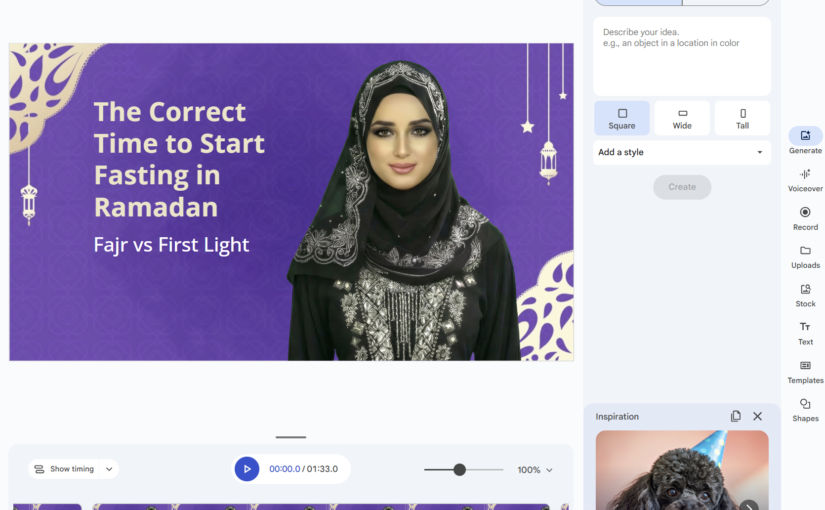
In this post, I’ll show how to easily create explainer videos using Google Slides and Google Vids. Here’s an example explainer video I made using these tools.
Create Your Slides
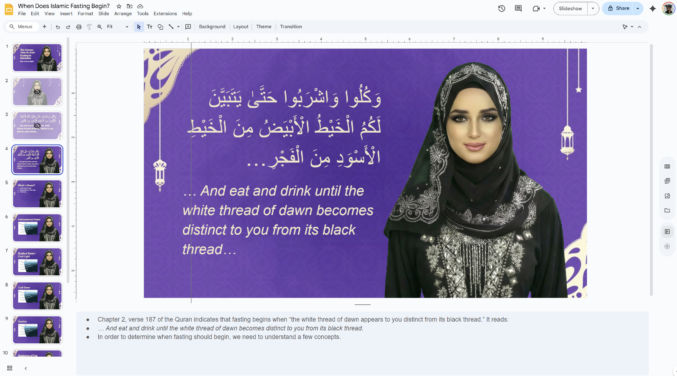
Go to Google Slides and create a slide for anything you want to show visually in your video. A slide can contain a background, text, images, videos, and more. When creating your slides, write your speaking script in the notes section below each slide preview. In my case, I took the slide design from here.
Import Slides into Google Vids
Click the “Convert to Video” button. This will open the presentation in Google Vids.
Choose the slides you want to import. You can also include AI voiceover, script, and background music. If you do that, Google Vids will use AI to create a voiceover script for you. If you want to use the notes you wrote in Google Slides, turn off this toggle.
Google Vids only supports videos that are 10 minutes long. If you have many slides with scripts that, once the voiceovers are generated, will result in a video that exceeds 10 minutes, you will need to delete some slides and voiceovers. If this happens, you will convert slides in batches, e.g., 20 or 30 at a time. When selecting which slides to import, you can click one slide, hold the “shift” key, then click the last slide to select all slides in between.
Edit the Video
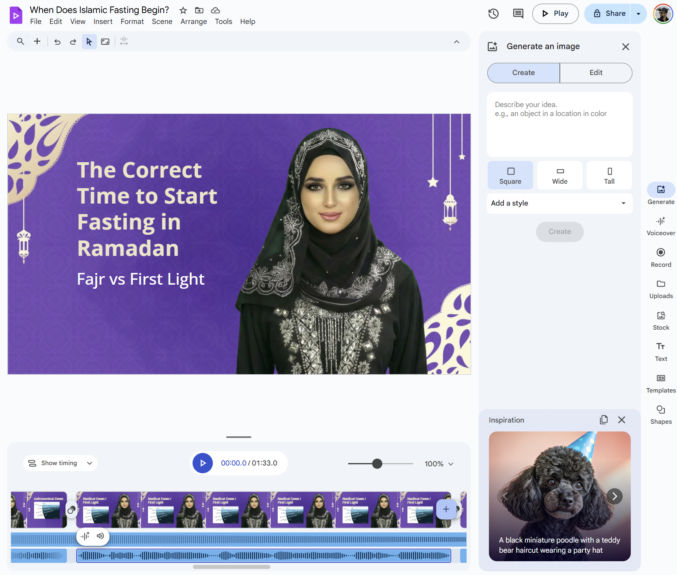
Now that you’re in Google Vids, you can edit the video. You will see a video timeline at the bottom.
Move the playhead along the timeline to different sections of the video.
Click the “Play” button to preview the video.
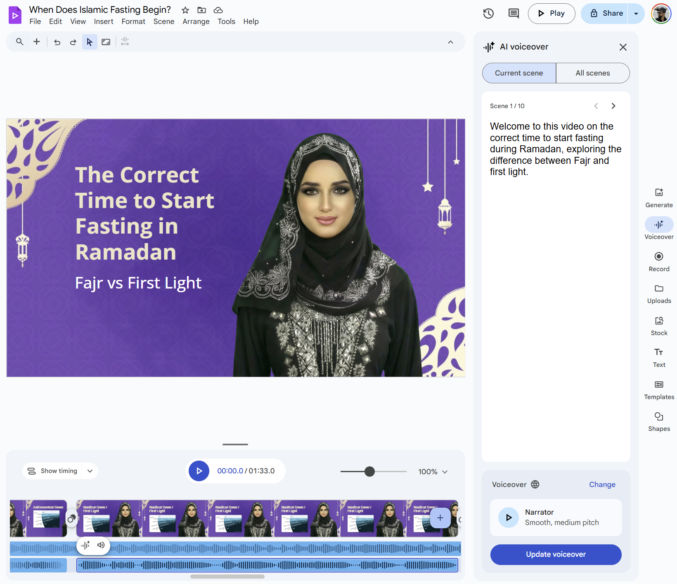
Click “Voiceover” on the right to edit the script for each slide you imported, if needed. Here, you can change the narrator’s voice as well. At this time, Google Vids only supports English, Spanish, Portuguese, Japanese, Korean, French, Italian, and German. If you want a voiceover in a different language, you’ll have to import the audio or record your own voice.
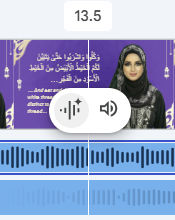
If you want to edit the background music,
click on the background music track,
click the speaker icon to the right of the waveform icon
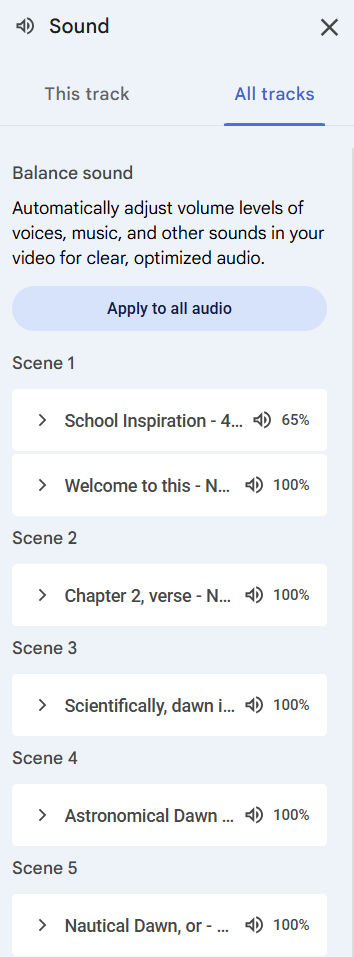
You will see the Sound panel. Click the “All tracks” tab. You will then see the background music and narration audio for each scene. Clicking on each one will allow you to edit the audio for each scene individually. You can also click the “Apply to all audio” button to have your changes apply to all scenes.
Export Video
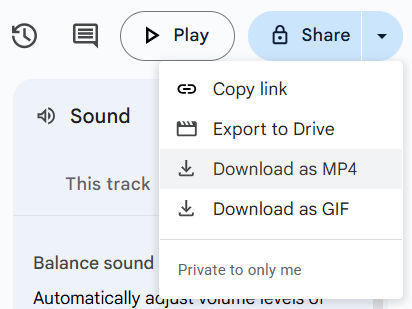
When you’re done making your changes, click “Share > Download as MP4” to generate and download the video.
Note
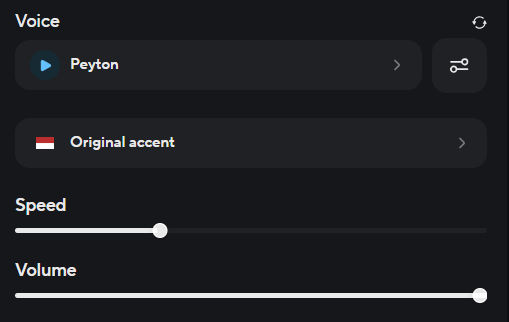
In the example video I created, I used HeyGen to create a lip-sync video of the narrator speaking. Google Vids doesn’t offer this feature, and you don’t need it to create explainer videos. If your video is in a language that is unsupported in Google Vids, e.g., Indonesian, and you want to create a lip-sync video, then you can simply paste the script into Heygen, preview the voiceover, and then generate the lip-sync video. HeyGen only charges for video generation, not text-to-speech previews. For a female voice in Indonesian, for example, I chose “Peyton” (voice ID = 6dd171c356f94a138cdbb5bd11ea8ee8) with “Original accent”.
If you only want to lip-sync some scripts, then it’ll be cheaper to paste those scripts in ElevenLabs. For an Indonesian text-to-speech, I chose Hannah’s voice, using the “Eleven Multilingual V2) model.
You can also clone your own voice in HeyGen and use it to create a lip-sync video.
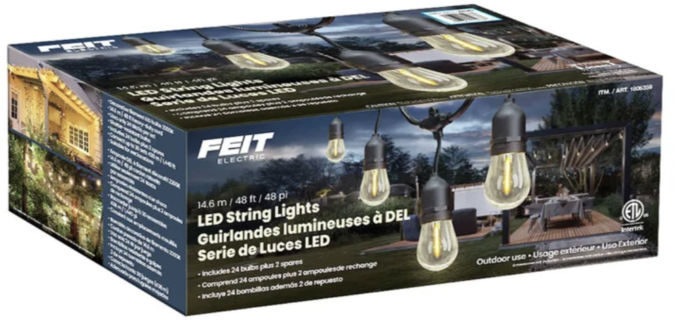
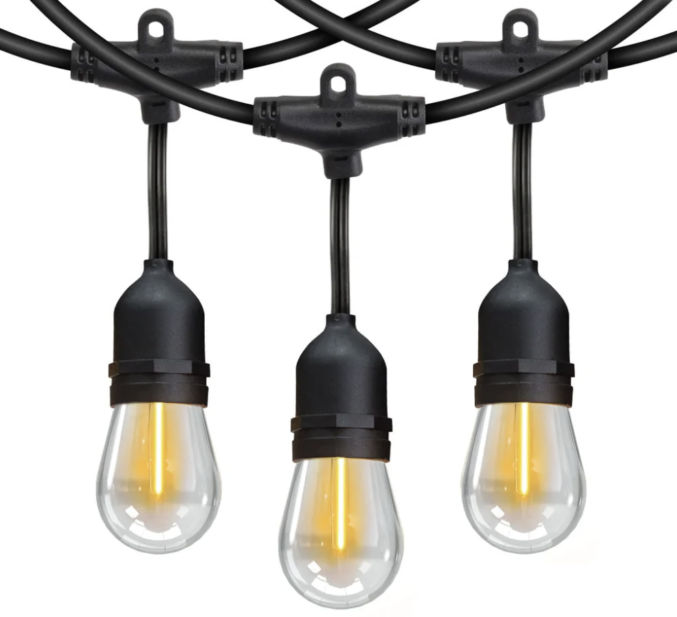
The Christmas season is here, and you may finally decide to put up some lights on your house. I personally like single-color, soft-white lights rather than multi-colored lights. Regardless of your color preferences, installing string lights can be difficult depending on your particular situation.
Though there are holes every 2 feet to fasten them, those holes don’t line up with rafters under the eaves of my house, so I couldn’t use them all.
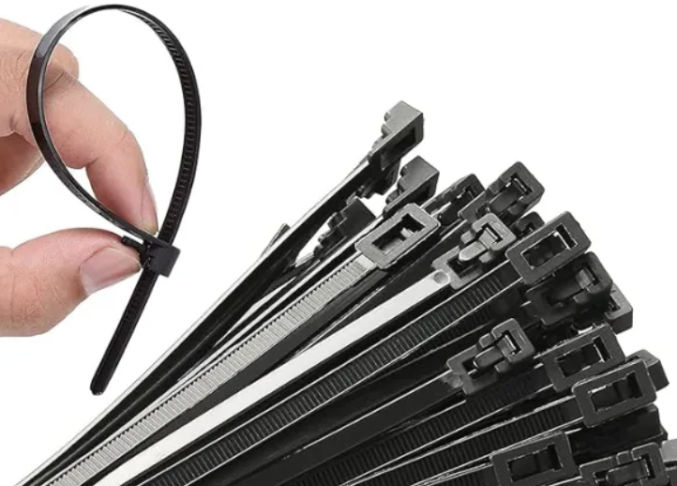
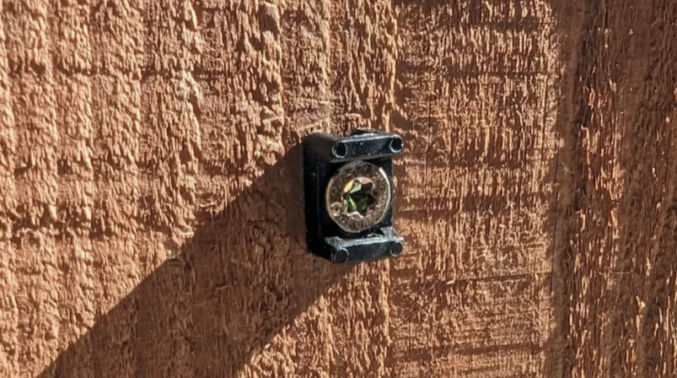
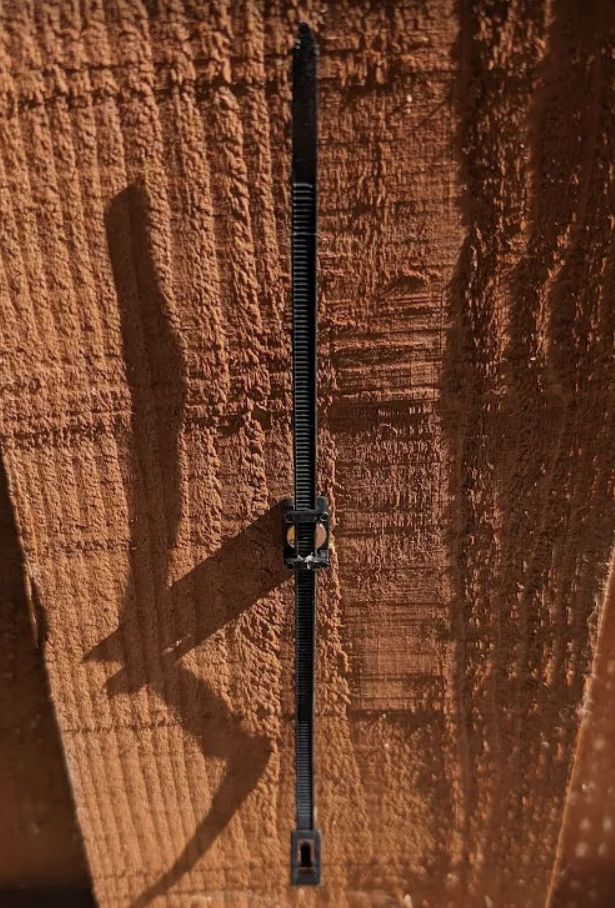
Regardless of the hole distance, one way to securely fasten any string lights, or cable, for that matter, is by using zip ties (I prefer the releasable kind) with a base mount.
Zip tie base mountReleasable zip ties
Just screw the base mount to your structure such that the slot where the zip tie would go in is in the direction you need it to be in.
Then, slide the zip tie though the base mount and around your string light cable.
This doesn’t just work for string lights. You can fasten other types of cables and even multiple cables. Unlike plastic cable clamps, which can quickly deteriorate and crack from UV exposure, zip ties can last a long time. Also, unlike cable clamps, which don’t grab cables tightly, resulting in some slack, zip ties can be pulled until the cable they’re securing are tight. This is important if you want your string lights to be straight.
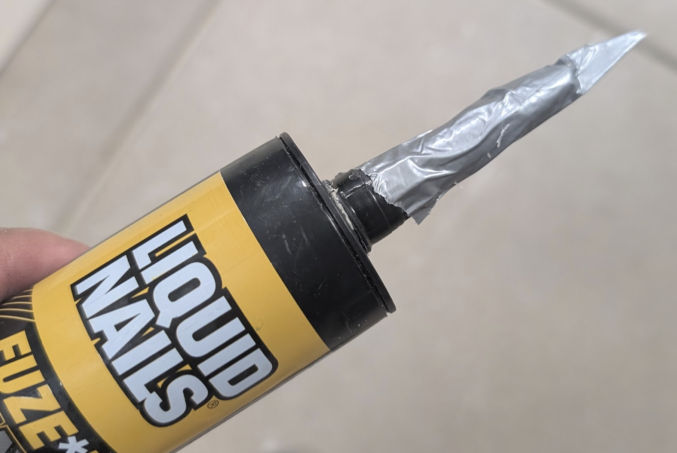
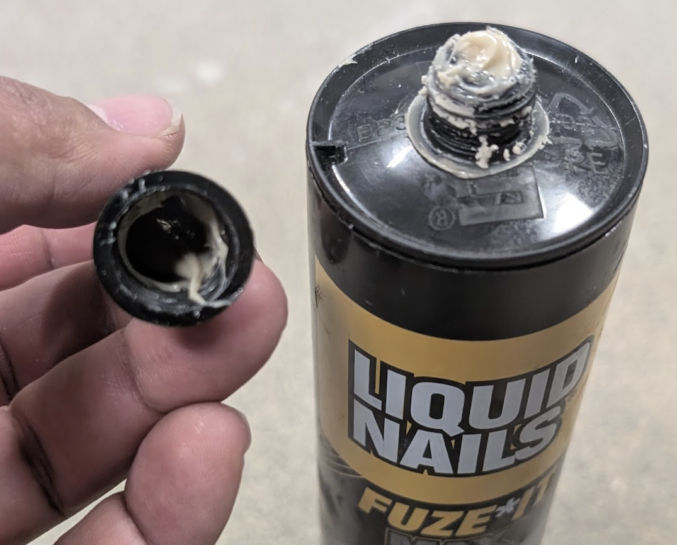
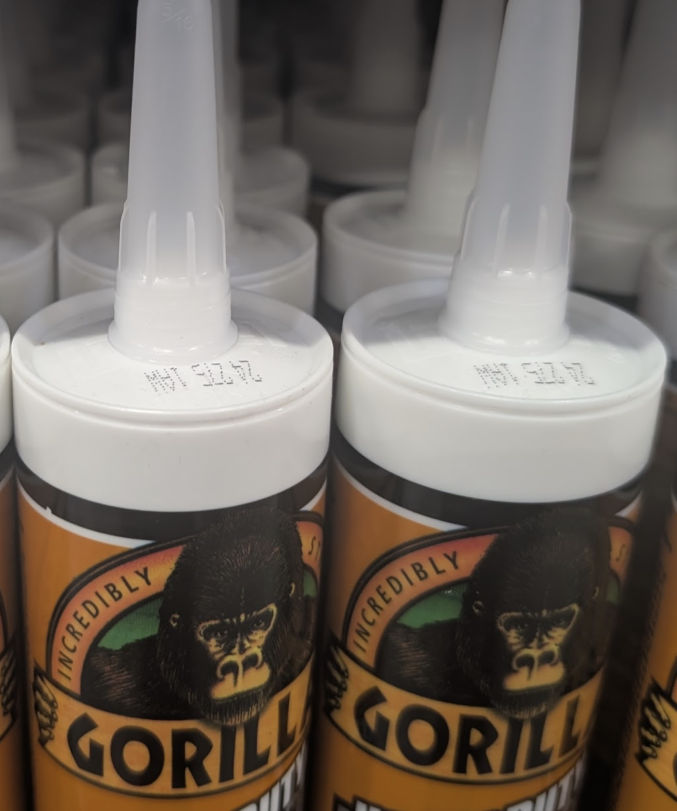
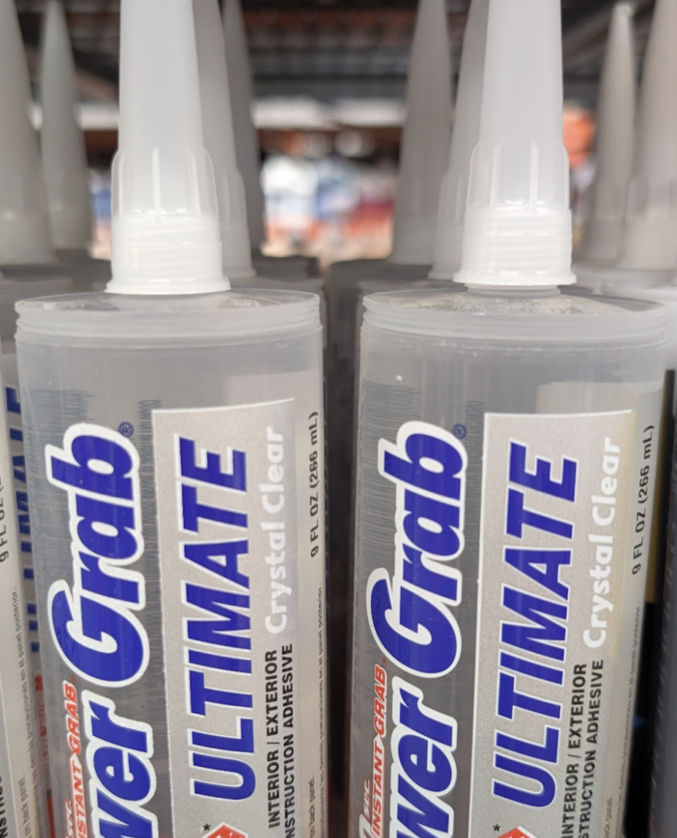
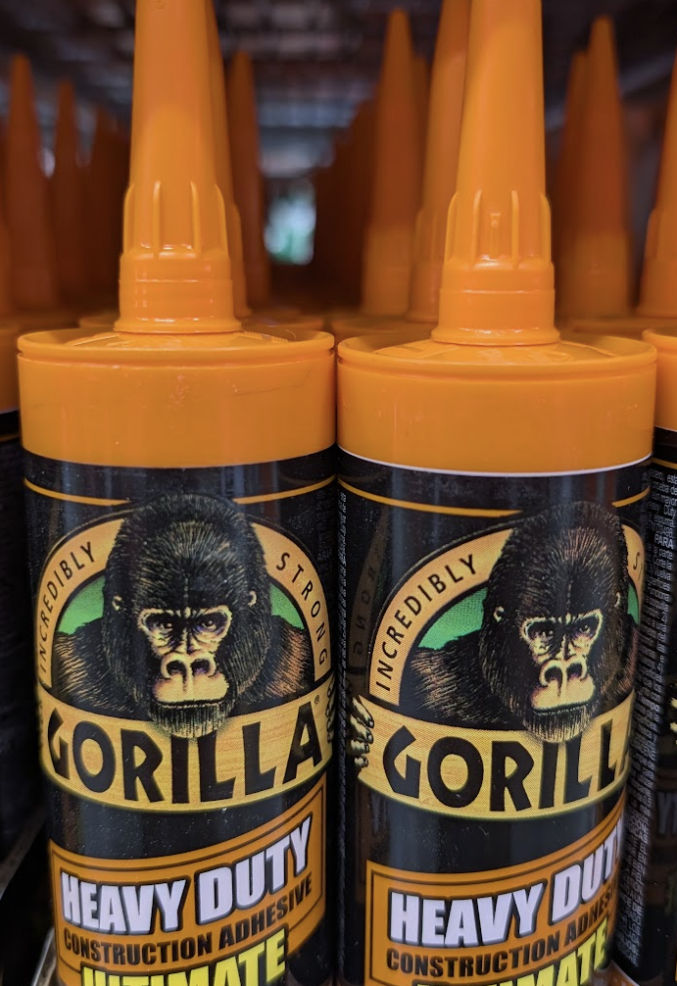
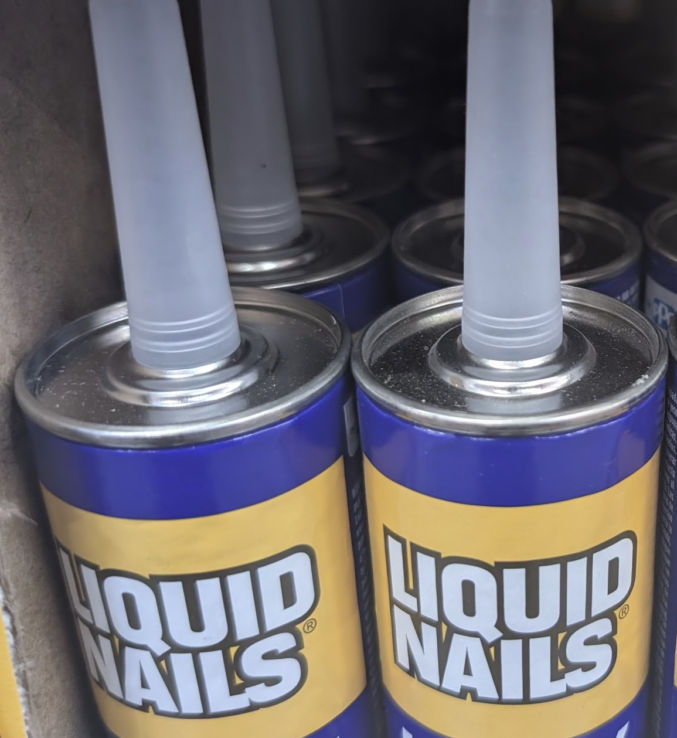
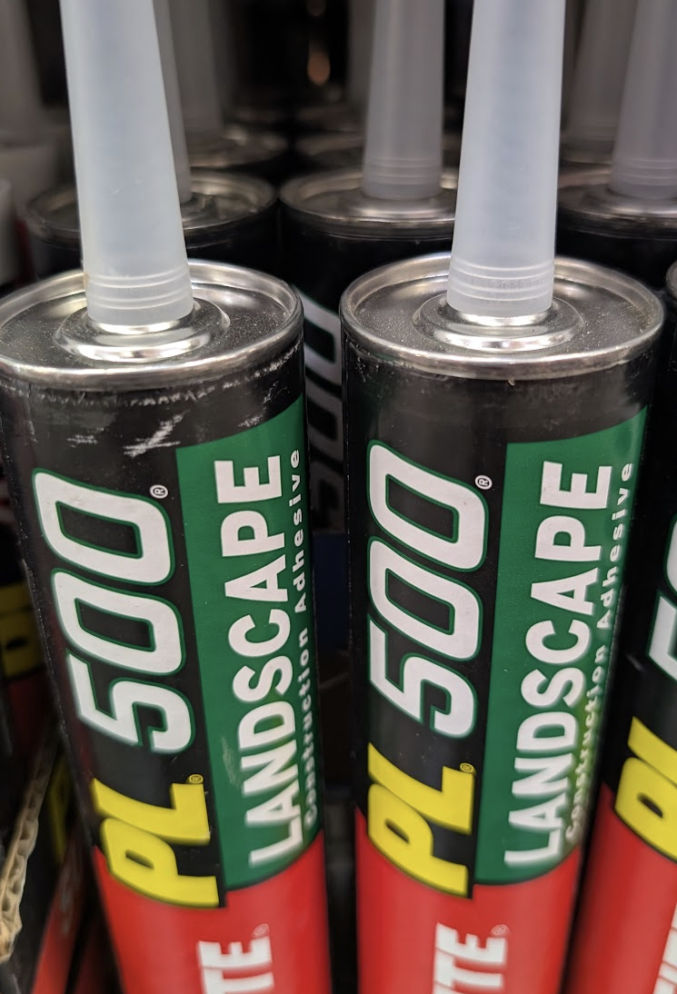
If you’ve bought glue that uses a caulking gun, you’ve probably run into situations where you’ve wasted a lot of glue because it’s clogged the nozzle, and you’ve probably tried sticking a screw or nail in the tip to prevent the glue from drying, only to find that that didn’t work either. You may have even tried covering the tip with tape, which also probably didn’t work. So, you ended up throwing away more than 50% of glue just because the tip was clogged. Well, fortunately, that won’t happen if you buy glue that has a removable nozzle, as shown below. When I’m done using some glue, I’ll wrap the tip in duct tape so that glue doesn’t slowly ooze out, and then I’ll put it away for future use.
When I need to use the glue again, I’ll use a utility knife to remove the tape and then see if any glue comes out. Normally, the nozzle will be clogged. I’ll then use pliers to unscrew and remove the nozzle. I’ll stick the seal puncture on the caulk gun through the nozzle, which easily removes any dried-up glue. With the nozzle clear, I just screw the nozzle back and I’m good to go.
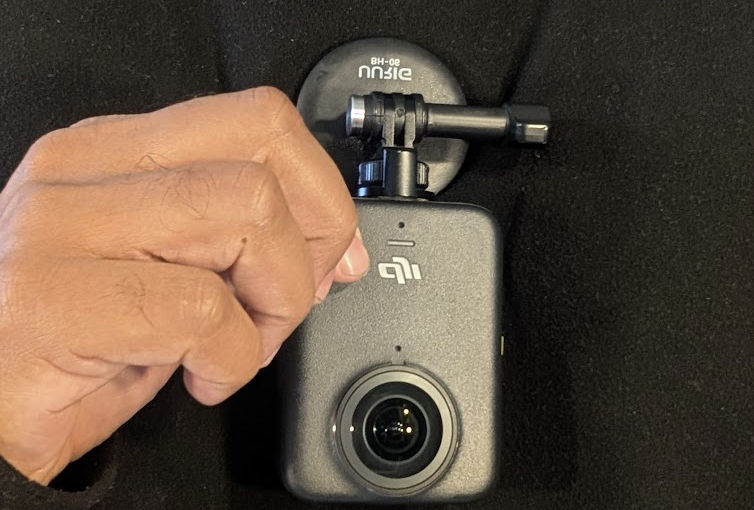
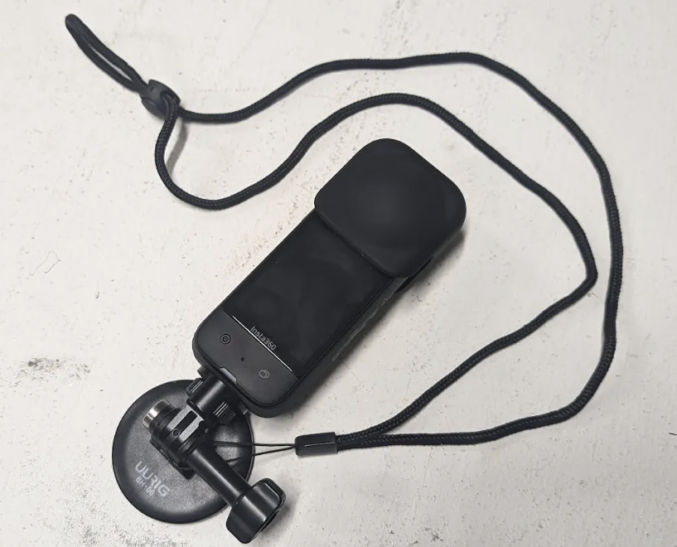
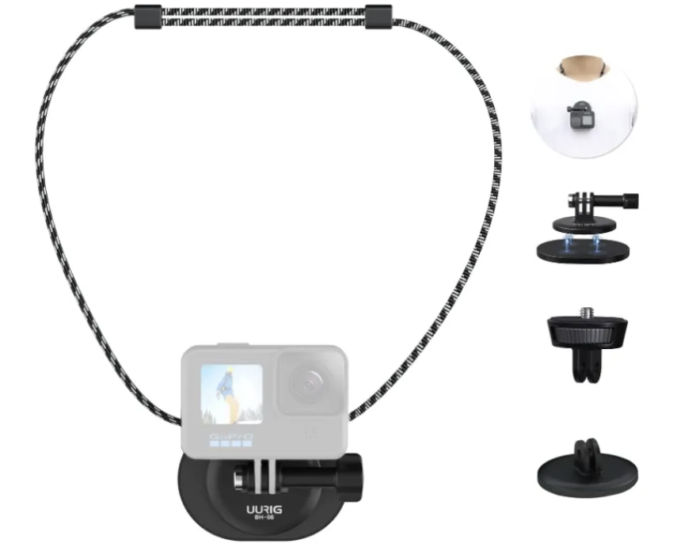
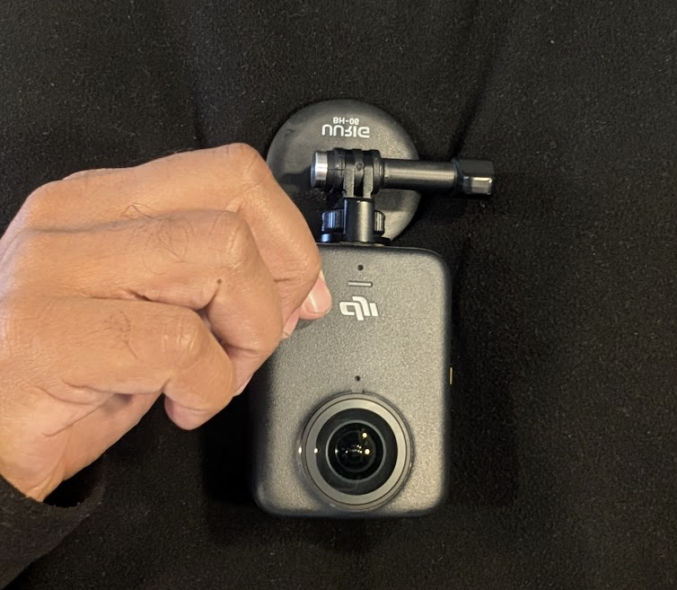
I like to make travel videos, but I don’t like to hold a camera or make it obvious that I’m filming people around me. I’ve been using the Insta360 X Series cameras with this magnetic chest mount, but it’s very heavy, bulky, and uncomfortable to wear.
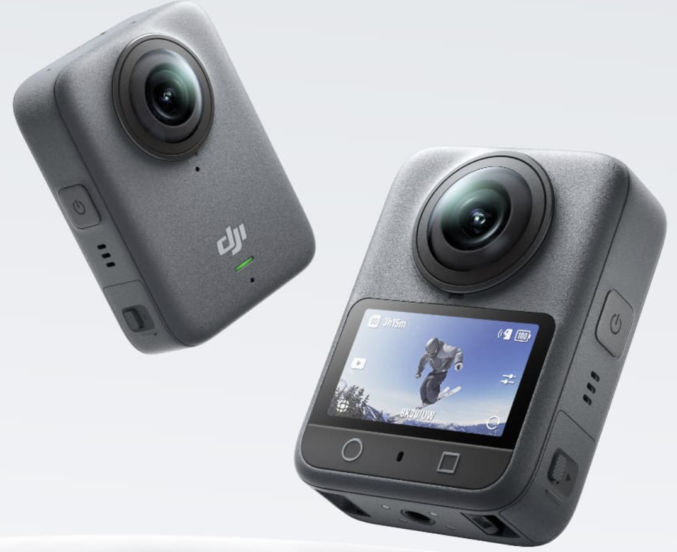
Fortunately, DJI recently came out with their own 360 camera, and it’s lighter and compact.
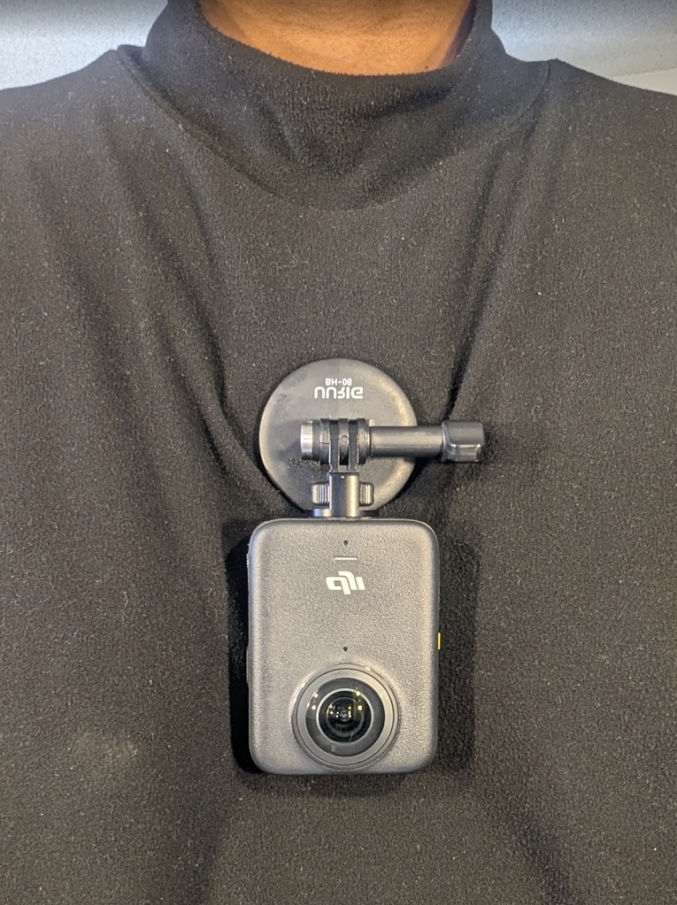
Just wear magnetic chest mount necklace, placing the magnetic mount under your shirt. Then, screw the complementary magnetic mount to the camera and rotate the round magnetic surface to mount the camera as shown above.
Since the camera takes 360-degree videos, you can adjust the angle in post-production, so you don’t need to worry of the lens is facing down or up to to the side.
With the Snapshot feature, filming is as easy as clicking a button. With the camera off, just press either the record or function button to turn the camera on and start filming. To stop and turn off the camera, just press either button again.
I like to have the screen facing my shirt so no one can see that I’m filming them. You can have the screen turn off automatically, but it will take at least 3 seconds before it turns off.
With this setup, discreet POV filming is super simple and hands-free. My workflow is
When I’m ready to start filming, e.g., while boarding a plane, I press the record button. The camera turns on and starts filming in 360.
When I’m ready to stop filming, I press the record button again. The camera stops filming and turns off.
When I’m done filming for the day, I transfer the 360 videos to my laptop using a USB cable and I import the videos into the DJI Studio app for post-production (changing angles, trimming, converting to a flat video, etc).
Lastly, I import the flat videos into a video editing app like Capcut to combine the footage with other footage, like footage from holding my Insta360 X5 on a selfie stick.
Let’s say you have the rights to a song, e.g, a song that’s in the public domain, and you want to create a cover for it by only replacing the lyrics. Here’s how you can do it using ChatGPT and Suno AI.
Upload the original song to Suno
For this example, I uploaded this song.
Suno will add your uploaded song to your workspace, as shown below. When you click on the song’s title, you’ll see an auto-generated style description of the song and the lyrics.
Song Style
A French pop song with a moderate tempo and a romantic, dreamy atmosphere, The instrumentation features a prominent acoustic guitar playing arpeggiated chords, a bass guitar providing a smooth, walking bass line, and a drum kit with a soft, brushed snare sound, Synthesizers contribute to the ethereal quality with pad sounds and occasional melodic lines, The female lead vocalist sings with a soft, breathy tone, employing a gentle vibrato, The song structure follows a verse-chorus pattern with a bridge, The chord progression is primarily diatonic, creating a sense of warmth and familiarity, Reverb is applied generously to the vocals and some instrumental elements, enhancing the dreamy quality, The overall mix is balanced, with the vocals sitting clearly in the foreground
To create new lyrics, the easiest way is to ask ChatGPT to do it for you. For example, here’s a prompt I gave ChatGPT to generate new lyrics that meet my specific criteria:
I want to create a cover of a French song. The lyrics are below. Give me English lyrics that have a similar theme and can be used as a drop-in replacement for the French lyrics so I can use the Suno cover feature. If the French song has a rhyming pattern, the new lyrics should rhyme as well. If possible, try to match the syllable count, but prioritize the flow and meaning of the lyrics over the syllable count.
[Verse 1] Quand tu me souris Mon cœur s’envole Tout devient doux Tout prend son rôle …
ChatGPT will then respond with the lyrics. Here’s what it gave me:
[Intro]
(Para para pa) (Para para pa) (Para para pa) (Para para pa) (Para para pa) (Para para pa) (Para para pa) (Para para pa)
VERSE 1
When you smile at me, My heart goes free, Everything glows, Warm like it knows, Your name rings on, Soft as a song, In dreams each night, You are my light.
[Chorus]
Your love lifts me higher each day, Like an angel learning to fly, Every touch sends my worries away, Under moonlight, you open the sky.
[Verse 2]
Your eyes shine bright, like summer air, Every night I find you there, Your soft voice brings me into dream, Calling you flows like a stream.
[Chorus]
Your love lifts me higher each day, When your hands are holding mine, Time stands still in your gentle way, In your heart, all my echoes align.
[Bridge]
Even when the morning shines, And the world moves on, Still your love stays in my mind, You’re the dream I lean upon.
[Chorus]
Your love lifts me higher each day, Every moment feels so true, I feel you— So high in love with you.
[Outro]
Floating through the sky (Para para pa) (Para para pa) (Para para pa) (Para para pa) (Para para pa) (Para para pa) (Para para pa) (Para para pa)
Create cover song
Now that you have new lyrics, go back to Suno and click on the 3 dots next to the original song title, the click “Remix/Edit” > “Cover”
In the left pane, Suno will load the original song and lyrics. Replace the original lyrics with your new lyrics. In the “Style” field, paste the Suno-generated style description. Suno will also set some advanced options, like “weirdness”, “style influence”, and “audio influence”. You can keep the defaults.
Click “Create”. Suno will create 2 cover songs, as shown below.
Edit the cover song
After listening to the two cover songs, I like the second one more, but one section didn’t sound right. Some of the lines in verse 2 sounded rushed. To fix this, edit the song by clicking on “Open in Editor”.
With the editor open, you’ll see the song’s waveform, color-coded by section. Click on the section containing the lyrics you wan to edit. In this example, that’s the pink section shown below. When you click on it, the lyrics for the section will be selected in the lyrics box on the left. You can then type in revised lyrics in the “new lyrics” box below it. In this case, I made some of the lyrics shorter (fewer words).
Click the “Replace” button. Suno will generate two alternate versions of that section with the modified lyrics you provided. Click the play button beside each one to preview the alternate versions. If you don’t like either one, click “Regenerate” to generate more versions. When you like a version, click “Commit” to replace the section with the new section.
When you’re done editing, click “Save as new song”. The edited song will appear in your workspace.
You can then download the song.
Here’s the cover song in English. As you’ll hear, the backing instrumentals sound almost identical to the original French song, but the lyrics are new.
Recently, I needed some high-quality Mediterranean images. I tried searching stock photo libraries, but they were expensive, it took too long, and the images weren’t that good or what I was really looking for. I found several videos on YouTube that had the type of images I wanted, but I didn’t want to copy them exactly, so I used AI to create new images inspired by them. Here’s how I created them.
AI Model: SeeDream 4.0
Prompt: Create a Greek home using the same colors, lighting, and elements from the reference image, but it should look different from the reference image.
Reference Image:
AI-Generated Image:
AI Model: SeeDream 4.0
Prompt: Create an image using the same colors, lighting, and elements from the reference image, but it should look different from the reference image. The perspective should be 45 degrees from the perspective of the reference image, facing the sea.
Reference Image:
AI-Generated Image:
AI Model: SeeDream 4.0
Prompt: Create an image with the same composition and view as the first one, but use colors and materials from the second one.
Reference Images:
AI-Generated Image:
AI Model: SeeDream 4.0
Prompt: Create an image with the same composition and view as the first one, but use colors and materials from the second one.
Reference Images:
AI-Generated Image:
AI Model: SeeDream 4.0
Prompt: Create an image with the same composition and view as the first one, but use colors and materials from the second one.
Reference Images:
AI-Generated Image:
AI Model: SeeDream 4.0
Prompt: Create an image with the same, layout, composition and view as the first one, but use colors and materials from the second one.
Reference Images:
AI-Generated Image:
AI Model: SeeDream 4.0
Prompt: Create an image with the same, layout, composition and view as the first one, but use colors and materials from the second one. Keep the blue and white tile in the first image as is.
Reference Images:
AI-Generated Image:
AI Model: SeeDream 4.0
Prompt: Create an image with the same, layout, composition, elements and view/framing as the first one, but use colors and building materials from the second one.
Reference Images:
AI-Generated Image:
AI Model: SeeDream 4.0
Prompt: Create an image with the same, layout, composition, elements and view/framing as the first one, but use colors and building materials from the second one.
Reference Images:
AI-Generated Image:
AI Model: SeeDream 4.0
Prompt: Create an image with the same, layout, composition, elements and view/framing as the first one, but use colors and building materials from the second one.
Reference Images:
AI-Generated Image:
AI Model: SeeDream 4.0
Prompt: Create an image with the same, layout, composition, elements and view/framing as the first one, but use colors and building materials from the second one.
Reference Images:
AI-Generated Image:
AI Model: SeeDream 4.0
Prompt: Create an image with the same, layout, composition, elements and view/framing as the first one, but use colors and building materials from the second one.
Reference Images:
AI-Generated Image:
AI Model: SeeDream 4.0
Prompt: Create an image with the same, layout, composition, elements and view/framing as the first one, but use colors and building materials from the second one.
Reference Images:
AI-Generated Image:
AI Model: SeeDream 4.0
Prompt: Create an image with the same, layout, composition, elements and view/framing as the first one, but use colors and building materials from the second one.
Reference Images:
AI-Generated Image:
AI Model: SeeDream 4.0
Prompt: Create an image with the same, layout, composition, elements and view/framing as the first one, but use colors and building materials from the second one.
Reference Images:
AI-Generated Image:
AI Model: SeeDream 4.0
Prompt: Create an image with the same, layout, composition, elements and view/framing as the first one, but use colors and building materials from the second one.
Reference Images:
AI-Generated Image:
AI Model: SeeDream 4.0
Prompt: Create an image with the same, layout, composition, elements and view/framing as the first one, but use colors and building materials from the second one.
Reference Images:
AI-Generated Image:
I ended up using the images to create 5-second background videos using Kling AI for this music video:
There are many talking lipsync AI tools out there. The inputs are usually text and an image of a person. The results are almost indistinguishable from a non-AI talking video. But when it comes to lipsync videos involving singing, that’s a whole different story. Generating realistic singing lipsync videos is apparently very challenging. Tools like Kling AI and Runway ML, despite being very popular tools for video generation, do a horrible job at this. After trying a number of tools, the two best ones I’ve found are TopMediAI and HeyGen. In this post, I’ll share my experience using them.
UPDATE 12/19/2025: Longcat Avatar is a new option that is worth trying and comparing against.
UPDATE 12/8/2025: There’s a new singing lipsync generator called WaveSpeed MultiTalk (WAN 2.1). Preliminary testing indicates that, with respect to video quality, MultiTalk is better than TopMediAI but not as good as Heygen. With respect to lipsync, Multitalk is just as good as TopMediAI and better than Heygen.
This tool does a decent job at creating singing lipsync videos, and the interface is very simple and intuitive. Though it’s designed for singing, it’s far from perfect.
Inputs
upload an audio file (mp3) between 2 and 30 seconds
upload an image of the character you want to sing
When generating a video using TopMediAI, sometimes, generation will fail repeatedly. From my experience, you have to keep trying 3-5 times until generation succeeds. It’s annoying, but it’ll eventually work.
This tool was designed for creating talking lipsync videos, not for singing. Nevertheless, it’s most advanced motion engine (Avatar IV) does a pretty good job a generating a singing lipsync video if you choose the “Quality” mode with a “Custom motion” value of “singing”. If you use the “Avatar Unlimited” engine, the results are just not good enough, in my opinion.
Update 12/8/2025: If you use the “Faster” generation mode, the quality appears to be just as good as the “Quality” mode, so just choose that mode since it costs half the cost of the “Quality” mode.
The process to create a lipsync video using HeyGen is more complex. Here are the steps:
Click “Avatars” > “Create New” > “Start from a photo” >
Upload a photo and wait for it to be processed
Choose to create a new avatar or add the photo as a new “look” of an existing avatar. (One avatar can have multiple “looks”)
Click “Create with AI Studio”
Click “Audio” > “Upload Audio” , then upload your audio clip. You can upload a clip anywhere between 1 second and 3 minutes.
You can also choose from a previously uploaded audio.
Play and confirm the uploaded/selected audio.
HeyGen will attempt to transcribe the audio. If transcription fails, you won’t be able to proceed. In my experience, if it fails, it’s usually because the audio clip is too short. When I upload a longer clip, it usually can transcribe it. Note that the transcription can be wrong. This doesn’t appear to matter, as the video generation appears to be based on sound rather than words.
Click “Generate”.
Comparing HeyGen to TopMediAI
Body movements
Neither TopMediAI nor HeyGen will make your character dance, but they will animate your character’s body to some extent. This is good, because older technologies literally only animated the lips or face and left everything else frozen/static. I feel that TopMediAI generates stronger body and lip movements, which makes the results look more realistic from that perspective.
Lipsync accuracy
When uploading a audio clip, it’s better to isolate the vocals from the backing track to prevent TopMediAI and HeyGen from getting confused. Neverthless, even when you upload the vocal track of a song, both AI tools occasionally produce inaccurate results, e.g., instead of lip movements to sing the word “hati”, TopMediAI made the lip movements as if to sing the word “hapi”; it wasn’t able to detect the difference between the “t” and “p” sounds. HeyGen seems to do a better job at lipsync accuracy.
Sustained vocal sounds
TopMediAI animates both the subject’s body and their lips to try to match the sounds in the audio file. This is particularly necessary for sustained vocal sounds, like in the following example.
Using the same inputs, and using HeyGen’s most advanced model (Avatar IV in “Quality” mode with a “Custom Motion” value of “Singing”, you can see below that HeyGen failed.
Video picture quality
With TopMediAI, if you upload an image of a zoomed-out character, even if it’s a hi-res image, the tool will have difficulty detecting the facial features, and the resulting video will be blurry with lots of artifacts. For that reason, I only upload images containing close-up shots of the character from the waist up. However, even then, the picture quality of the generated lipsync video deteriorates, sometimes significantly. For example, here’s the source image I uploaded to TopMediAI:
And here’s a frame from the generated video:
That’s a big difference.
HeyGen, on the other hand, does a much better job at preserving picture quality of the source. For example, compare the source and generated (screenshot) images below.
Teeth
TopMediAI can’t seem to produce consistent and natural-looking teeth. Sometimes, the results are acceptable, but other times, they are not. Compare the following.
Teeth appear okay, but still not perfect.Teeth appear heavily chipped
HeyGen, on the other hand, does a very good job and showing natural, and almost perfect, teeth, as in this example:
Output resolution
With HeyGen, you can export videos up to 4K quality. With TopMediAI, there are no resolution options.
Recommendations
I would definitely use HeyGen’s Avatar IV with the “Quality” mode first to generating singing lipsync videos. If the results don’t look good, then I’d use TopMediaAI as a fallback.
I’ve renovated and remodeled many bathtubs and showers. Here are some tips I’ve learned along the way.
Bathtub
Though steel bathtubs are more durable, I prefer fiberglass/acrylic bathtubs. There are more design options and they are light-weight, making them easier to work with. They are also cheaper. For example, this one only costs $300.
Shower Pan
Unless you have a uncommon shower size, it’s much cheaper and more leak-resistant to buy a premade shower pan rather than to make one from tile. For example, this standard-size one only costs $270.
Bath/Shower Walls
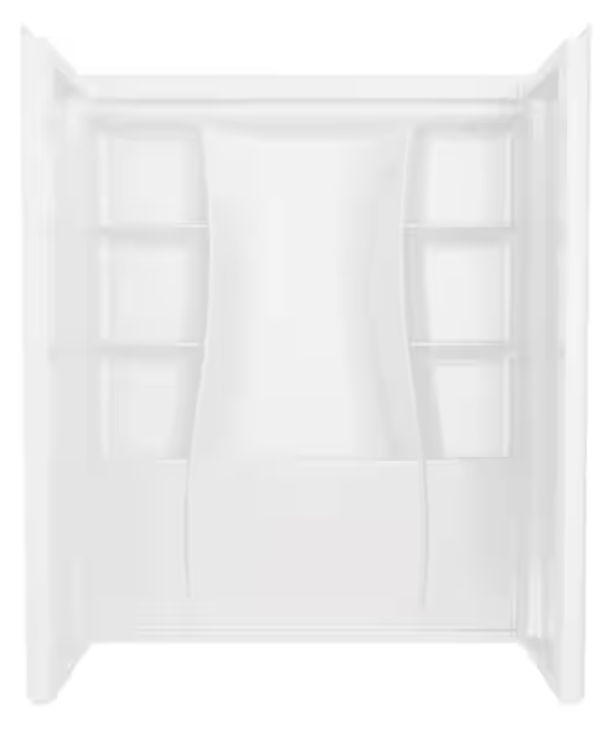
Unless the size of your bath/shower is unusual, it’s much cheaper to buy pre-molded shower wall panels than to have tile walls. Pre-made shower walls screw directly to studs, eliminating the need to add a water-resistant backing, like you need before installing tile.
Another option is to glue shower panels to your shower walls. These panels can be found at Chinese home renovation stores. The ones shown below were from Uni Tile and Marble.
Shower Head Height
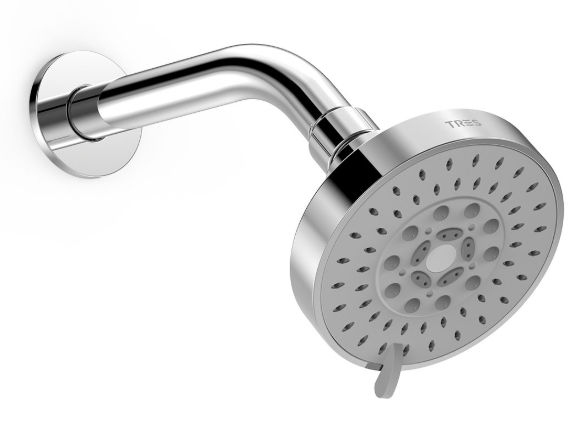
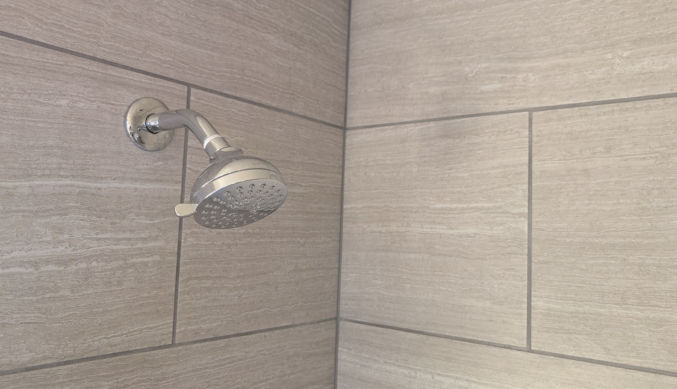
I don’t know why I keep seeing this in many homes, but many shower heads are position too low. When installing new plumbing for your shower head, make sure to tell your plumber to install it higher than usual. Not everyone is short. . For a shower I recently remodeled, I put the shower head pipe 7′ from the bottom of the shower pan. The actual shower head will be positioned lower than that because shower head arms bend downward, as shown below. This way, people who are even 6’4″ tall can stand under the shower without hitting their head on the shower head.
Shower Niches for Tiled Shower Walls
If you do end up installing tile on your shower walls, make sure you install niches as well. Otherwise, shower users would need to put their soap and shampoo on the floor. You can buy tile-ready plastic niches for relatively cheap, but you’ll end up paying for your tile guy to install tile inside those niches.
A better option and, ultimately, cheaper option is to buy a no-tile metal niche, like this one.
Shower Foot Step
Cleaning your legs and feet can be difficult if you have to bend all the way over. You can buy a shower bench, which you can sit on and rest your foot on, but that takes up space and will eventually be another thing to clean as soap scum sticks to it. If you don’t regularly need to sit in your shower, you can buy an in-wall shower foot step, like this one.
Bath/Shower Door
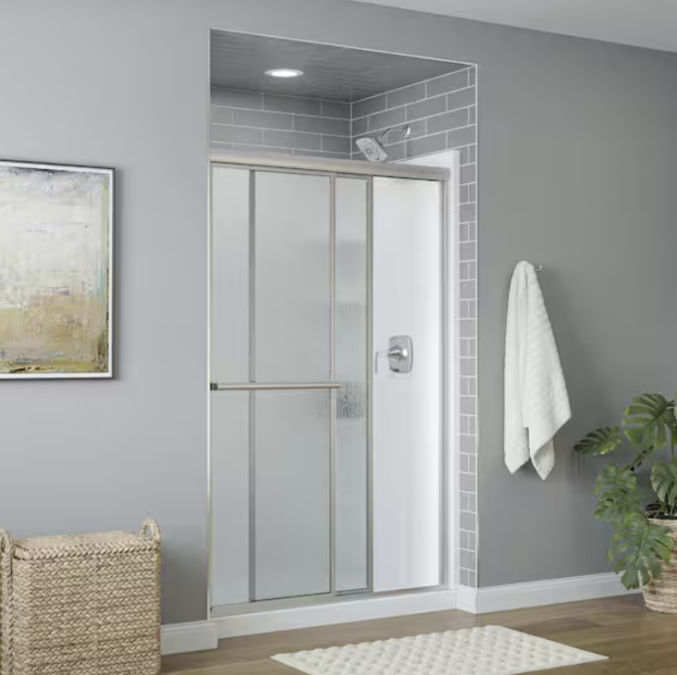
You can easily install a shower curtain to block water from wetting your whole bathroom, but water often still makes its way outside the shower by the wall where the shower head is. One option is to install a fixed glass shower panel, like this one, and use a shower curtain for the other half of the shower opening.
Or, you can just buy a sliding shower door, like this one for $330.
Drilling Through Tile
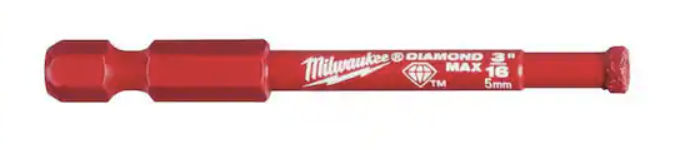
If you need to make a hole in ceramic or porcelain like, like when installing a sliding shower door, using quality drill bits will make a huge difference. There are primarily 2 kinds of bits available:
The carbide bit is good for marking hole location and drilling pilot holes, but if you try to use it to drill all the way through tile, it’ll take forever.
The diamond bit can drill holes through tile in a fraction of the time it takes to do so with a carbide bit, but the diamond bit shown above tends to wander when there is no pilot hole to keep it in place.
Recommendation: Use the carbide bit to mark hole locations and make small pilot holes. Then, use the diamond bit to drill all the way through tile. Periodically squirt water on the bit as it’s drilling or dip the bit in a bowl of water to keep it cool.
Water Walves
For your sink and toilet water valves, use 1/4-turn valves rather than multi-turn valves. Why turn a valve 360 degrees 3 or 4 times when you can just turn it 90 degrees once? Plus, the 1/4-turn valves are less prone to leaking and easier to use.
Tile
If you install tile, especially on the floor, porcelain is stronger, but more expensive than ceramic. This particular porcelain tile, in my opinion, looks good without being too expensive.
Grout
For the grout, I like there to be contrast between the tile and the grout so you can see the tile pattern. If your tile is light in color, then a darker shade of the same tile color is a safe choice. For the silver-colored tile above, I’d go with this Delorean gray, not this warm gray, which looks like silver. Make sure to get siliconized tile caulk for corners and edges in the same color. Here’s how it came out.
Baseboard
Though you can cheaply and easily install MDF baseboard in your bathroom, I prefer a tile baseboard, especially if the floor surface is tile.
If you go with a tile baseboard, you can either use tile that come with a bullnose edge, but they tend to be expensive and not always available. For example, this bullnose tile, which matches the tile design above, costs $2.47 each.
Okay, that particular one is not that expensive, but many others are. So, another option, which I think looks just as good, if not better, is to cut the floor tile into strips and install metal trim. For example, the 12″x24″ tile shown above can be cut into 3 pieces lengthwise, resulting in three 4″x24″ pieces.
Frameless mirrors tend to be cheaper the framed mirrors, and you can see more of yourself in them because there’s no frame taking up space. But, they don’t look nice, especially when the fasteners (clips) are exposed. Instead, you can buy nice framed mirrors are discount stores like Marshalls, Ross, and TJ Maxx for the same price or less. Here’s what one of my bathroom mirrors looks like. I think I paid $40 for it at Ross.
Hanging Mirrors
When hanging mirrors, many people just drive some nails or screws into the wall and try to hang the mirror on them. There are many problems with this method. It’s hard to get the mirror perfectly level. The head of the nail or screw may be too big for the holes on the back of the mirror. And, you’ll end up with an unnecessarily large hole in the wall if you use screws. Instead, just buy proper picture hangers. They are much easier to work with and you can get perfectly level mirrors with ease.
Motion-Detecting Light Switch with Vacancy Detector
Apparently, some cities in California require a vacancy sensor light switch so that when a bathroom is vacant, the lights will turn off automatically. I went a step further and bought a switch that automatically turns the lights on when it detects motion, like when you enter the bathroom. It also comes with a dimmer that supports LED light bulbs. There’s also a switch if you want to manually turn on/off the lights.
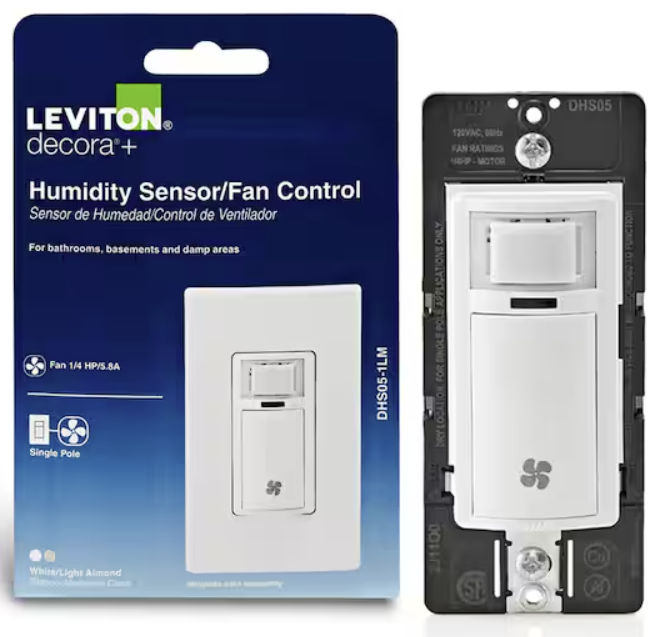
Exhaust Fan with Humidity Sensor
It’s annoying when, after taking a nice, long, steamy hot shower in the winter, your bathroom walls are wet and your mirrors are fogged up from all the steam. If you have windows, you don’t want to open them because you don’t want the cold air to come in. Solution: get install a good exhaust fan with a humidity sensor. It’ll turn on and off automatically when it detects humidity from shower steam.
If you want an easy-to-install, leak-free, durable sink P-trap, go with Simple Drain. I’ve installed them many times and they’ve never leaked. They’re way easier to install compared to PVC.
When generating images and videos using AI, you need to include in your prompt how the camera takes the picture or video. Following are common camera shots and movements you can reference when creating your prompts. The example images below were all generated using Nano Banana. The videos were generated using Kling AI.
Shot Types (Distance and Framing)
Shot Type
Description
Extreme Close-Up (ECU)
Focuses tightly on one detail (eyes, mouth, hand). Great for emotional intensity.
Close-Up (CU)
Shows the subject’s head and shoulders — captures facial emotion clearly.
Medium Shot (MS)
Shows the subject from waist up — good balance between subject and background.
Full Shot (FS)
Shows the entire body of the subject within the frame.
Wide Shot (WS)
Shows the subject and full surroundings — emphasizes environment.
Extreme Wide Shot (EWS)
Subject is small within a large landscape — epic and cinematic.
Over-the-Shoulder (OTS)
Camera is behind one person’s shoulder, focusing on what they’re looking at.
POV (Point of View)
The camera shows what the character sees — immersive perspective.
Extreme Close-Up
Close-Up
Medium Shot
Full Shot
Wide Shot
Extreme Wide Shot
Over-the-Shoulder Shot
POV (Point of View) Shot
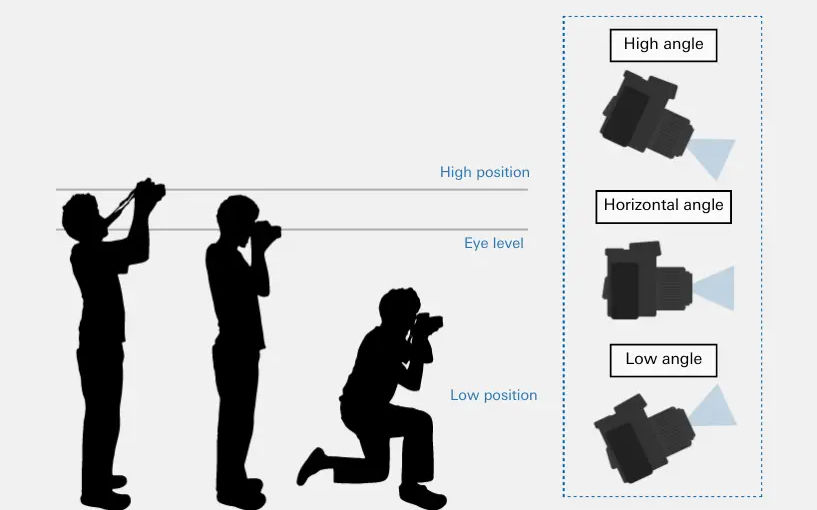
Camera Angles
Angle
Description
Eye-Level
Neutral, natural perspective — like the viewer’s eye line.
High Angle
Camera looks down on the subject — makes them seem small or vulnerable.
Low Angle
Camera looks up at the subject — makes them seem powerful or heroic.
Dutch Angle (Tilted)
Camera is tilted diagonally — adds tension or unease.
Bird’s Eye View / Top-Down
Shot from directly above — good for movement, choreography, or maps.
Eye-Level, medium shot
High-angle, medium shot
Low-angle, medium shot
Dutch Angle (Tilted), medium shot
Bird’s Eye View / Top-Down shot
Camera Movements (Dynamic Shots)
Movement
Description
Static
Camera doesn’t move — perfect for portraits or emotional moments.
Pan
Camera rotates horizontally left ↔ right.
Tilt
Camera moves vertically up ↕ down.
Dolly (Push/Pull)
Camera moves forward or backward smoothly on rails. Great for dramatic reveals.
Truck (Left/Right)
Camera moves side to side — similar to dolly but horizontally.
Crane / Jib
Camera moves up or down through large vertical space — majestic motion.
Orbit / 360° Move
Camera circles around the subject — cinematic hero shot.
Tracking / Follow Shot
Camera moves following the subject — conveys movement and energy.
Zoom In / Out
Lens zooms, not physical movement — adds focus or emotional punch.
Handheld
Shaky or organic motion — feels immersive or documentary-style.
Drone Shot
High-altitude or sweeping view — ideal for landscapes, travel, or sports.
Artificial Intelligence (AI) is about teaching computers to do smart things that normally require human intelligence — such as understanding language, recognizing faces, playing games, or creating art and music.
AI learns from lots of examples so it can notice patterns. For example, if you show AI thousands of pictures of cats and dogs, it will eventually know the difference between what a cat looks like and what a dog looks like. It doesn’t know what a cat or dog does; it just knows what a cat or dog looks like. Data is the fuel of AI. The more data and the cleaner the data, the better the AI is. AI improves by trial and error. Initially, AI will guess what a cat or dog looks like. If it makes a mistake and humans correct it, AI will learn and, eventually, not make the same mistake.
Huge Neural Networks
AI uses neural networks, which are like a simplified brain. Large Language Model (LLM) and Diffusion Model are two types of huge networks. These models are trained on billions of examples from the internet.
Imagine a big school containing teachers (humans) and students (AIs).
The Teacher (Humans)
The teachers (humans) give the students (AIs) tons of examples: books, images, songs, videos, code — everything. The students don’t just memorize — they practice until they can do similar things on their own.
The LLM Student (AI)
One student, Lucy the LLM, loves reading and writing. She studies every book in the library and learns:
“After the words ‘Once upon a’, the next word is usually ‘time’.”
She becomes amazing at predicting the next word and can write essays, stories, or even hold a conversation — because she knows how words fit together.
Lucy = Large Language Model (writes and speaks intelligently).
The Diffusion Student (AI)
Another student, Danny the Diffusion Model, loves art. His training exercise:
The teacher shows him a picture.
Then they cover it with random paint splatters.
Danny learns to carefully “un-splatter” the image until it looks clear again.
After years of practice, Danny can now start with a blank canvas (just random dots) and, when you say “a cat wearing sunglasses,” he paints that from scratch.
Danny = Diffusion Model (paints images from words).
The Big Picture
Both Lucy and Danny are smart in different ways:
Lucy talks and writes (text world 🌍).
Danny paints and visualizes (image world 🎨). They often work together — Lucy writes the idea, Danny draws it.
Types of AI
Category
Description
Example
Narrow AI
Specialized, task-based AI
ChatGPT
Generative AI
Creates new content
DALL·E, Runway
Agentic AI
Acts independently to achieve goals
AutoGPT, Devin
Analytical AI
Analyzes large data
Fraud detection
Predictive AI
Forecasts outcomes
Stock or weather models
Conversational AI
Talks with humans
ChatGPT, Siri
Robotic AI
Moves and interacts physically
Drones, factory robots
Machine Learning teaches AI patterns.
Generative AI teaches AI creativity.
Agentic AI teaches AI action and autonomy.
AI Leaderboard
There are many AI models by different creators, but some are more intelligent than others. This leaderboard ranks AI models based on intelligence score.
Some models are better than others at specific tasks. The following leaderboards compare leading models by
Here’s the current top-5 leaderboard for web development as of Nov 11, 2025.
AI, CPUs, and GPUs
Type
Analogy
Good For
CPU
A brilliant chef cooking one perfect dish at a time
Complex logic, single-thread tasks
GPU
A kitchen with 1,000 chefs making the same dish simultaneously
Massive parallel work (like AI math)
Originally, GPUs were built for graphics — drawing images and 3D scenes in video games.
CPUs (central processing units) are like smart workers — great at doing one task at a time, but carefully.
GPUs are like armies of workers — they can do thousands of small calculations at once.
What would take a CPU weeks to do, a GPU can do in hours.
AI depends heavily on GPUS.
Nvidia, the company that makes most AI GPUs (like the H100 and A100), has become one of the most valuable companies in the world because of AI demand.
Data centers around the world are being built specifically to host GPU farms — giant rooms filled with thousands of GPUs that power AI models.
Cloud providers (like AWS, RunPod, or Google Cloud) rent out GPU power so smaller developers can build and test AI apps without owning hardware.
AI Training VS Inference
There are two main stages of AI:
1. Training (Learning)
This is when the AI learns from data. For example, teaching an AI to recognize cats by showing it millions of cat photos. It requires huge amounts of computation and it needs massive GPU clusters — sometimes thousands of GPUs working together for weeks or months.
Think of it like “going to school.”
2. Inference (Using What It Learned)
Once trained, the AI can now use what it knows — answering questions, generating images, etc. It still uses GPUs, but fewer — since it’s now recalling knowledge rather than learning it.
Think of it like “taking an exam” — it’s using what it learned efficiently.
AI Hallucinations
An AI hallucination is when an AI makes up something false but presents it as true. It happens because AIs don’t know truth — they just predict what sounds right based on pattern-matching. For example,
AI Type
What “Hallucination” Looks Like
LLM (ChatGPT, Claude)
Makes up fake facts, quotes, sources, or people
Image Model (Midjourney, DALL·E)
Adds random visual details that weren’t in the prompt (like extra fingers 👋 or distorted objects)
Video / Audio Models
Create unrealistic motion, or mis-sync voices and faces
Hugging Face
Hugging Face is basically the GitHub of Artificial Intelligence. It’s a giant online platform where people share, explore, and use AI models, datasets, and tools — all in one place. At Hugging Face, you’ll find
Section
What It Offers
Example
Models
Pre-trained AI models (text, image, audio, etc.)
ChatGPT-like LLMs, Stable Diffusion, Whisper
Datasets
Large collections of data used to train AIs
Wikipedia text, image caption sets, code samples
Spaces
Interactive apps people build with AI
You can test image generators, chatbots, translators
Transformers Library
Hugging Face’s open-source code that makes it easy to use models
Used by researchers, developers, and hobbyists everywhere
Imagine you want to build an app that turns spoken words into text, translates it to French, and then summarizes it. On Hugging Face, you can:
Search for a speech-to-text model (like OpenAI’s Whisper).
Add a translation model (like Helsinki-NLP English-to-French).
Plug in a summarizer (like BART or T5).
Run it all with just a few lines of Python code using the transformers library.
You don’t have to train anything from scratch — it’s all there, ready to go.
You can also use models in your own code using Python. For example,
Install the transformers library:
pip install transformers
Load a model (for example, a text generator):
from transformers import pipeline

generator = pipeline("text-generation", model="gpt2")
result = generator("Once upon a time, there was a cat", max_length=30)
print(result[0]["generated_text"])
ComfyUI
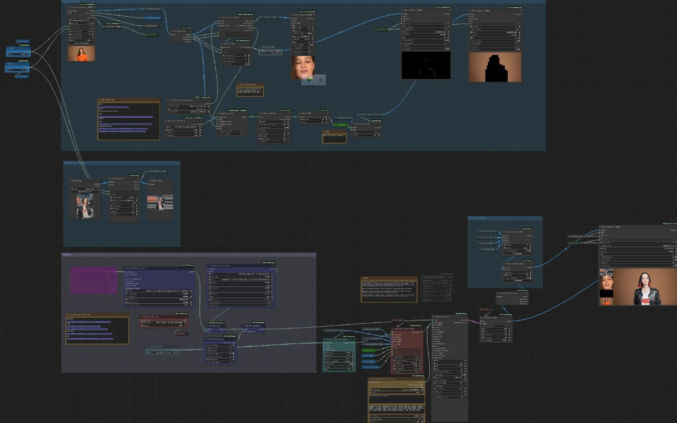
ComfyUI is a visual, node-based interface for creating AI images and videos. It’s a drag-and-drop app that lets you build your own AI image or video generator. Instead of typing long code, you build a “workflow” by connecting blocks called nodes. Each node does one thing:
One node loads your model
One node reads your text prompt
One node generates an image
Another node might upscale, add depth, or edit colors
You can run ComfyUI locally on your computer, but you need a lot of space and a powerful computer, preferably with a GPU. These computers are expensive. Alternatively, you can run ComfyUI in a browser at ComfyCloud, RunComfy, and ThinkDiffusion, where you can rent powerful GPUs and pay only for when you’re using the service.
Image and Video AI Playground
You can test some of the leading image and video AI models at RunComfy’s playground.