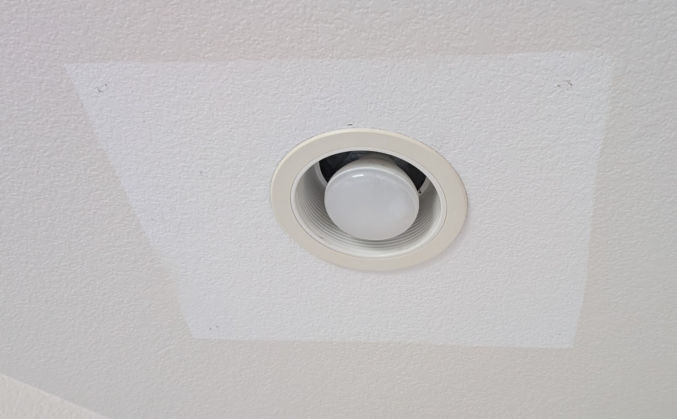


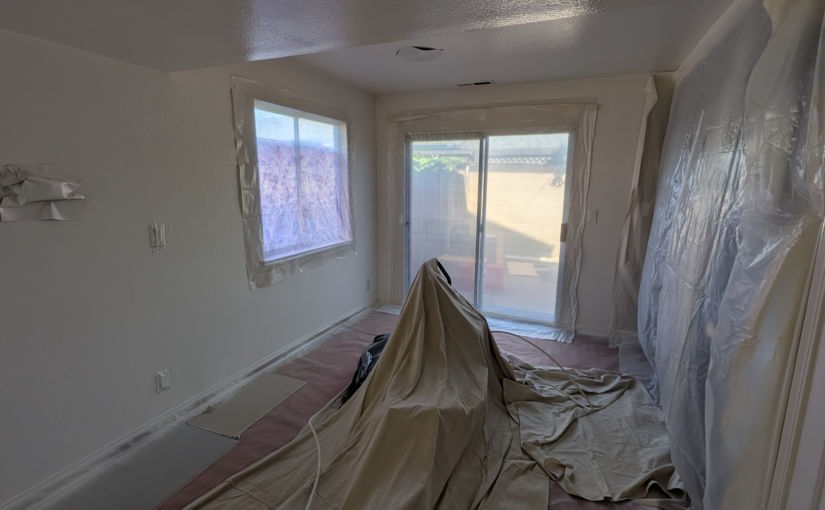
Repainting all the walls and ceilings in your house can really refresh your home and make it appear new and clean. As a landlord of multiple properties, I’ve repainted the interior of entire homes in as little as 6 hours. Here are my tips for whole-house interior painting.
Neutral Paint Color
My go-to paint color is Hazelnut Cream 750C-2 (Eggshell) by Behr (Home Depot). It looks good both during the day and at night and in different light color temperatures.
Same Wall and Ceiling Paint Color
Unless you’re really picky or enjoy spending time masking surfaces and painting, I recommend painting the walls and ceilings the same color. It greatly simplifies the painting process. If you have an MDF baseboard, you can also paint it the same color as your wall. Or, you can paint it pure white, which is the default color.
Masking
You’ll need to mask areas you don’t want to paint, like windows, ceiling lights, and doors.
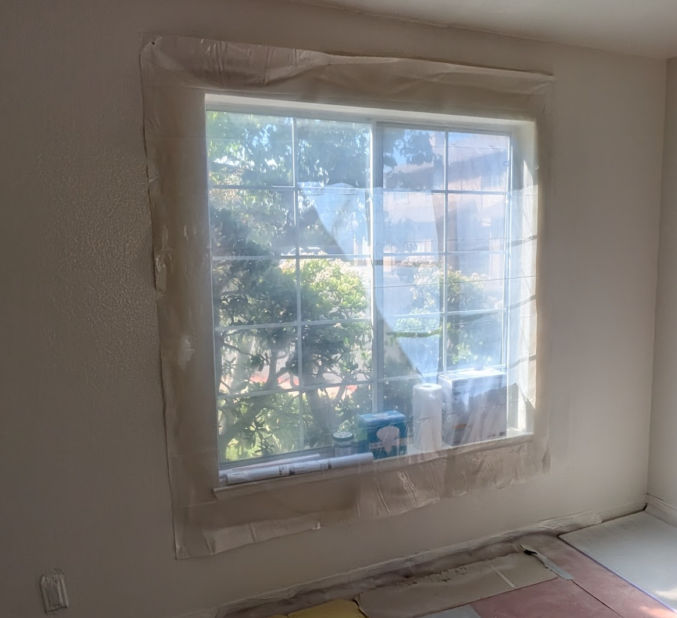
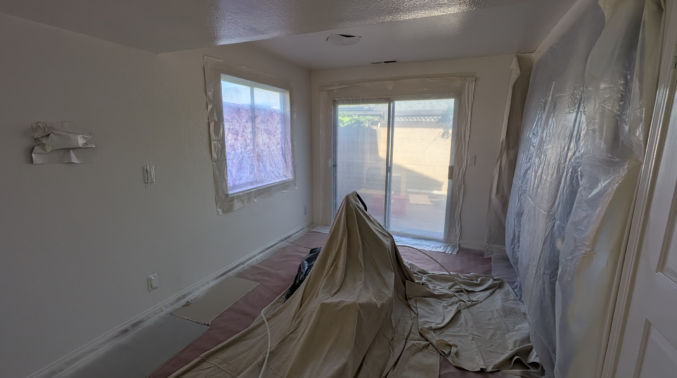
For windows, I like to staple somewhat thick (3.5 mm) transparent plastic. If it’s too thin, it’s harder to cut, it easily blows away, and it’s hard to secure to a surface. Also, stapling is much quicker and easier than taping all sides. The transparent plastic lets light in so you can see what you’re painting. Since the air pressure from spray painting can blow paint particles everywhere, I like to use a healthy margin around any objects I’m masking so that even if paint manages to get under the plastic, it won’t go far and reach the surface I don’t want painted.
For stapling, I like to use large 9/16″-leg staples and a battery-powered staple gun.
For ceiling lights, I like to staple heavyweight red rosin paper over them, as shown below. Taping is not necessary as long as the paper is large enough to prevent paint particles from reaching the lights from the gaps along the edges. Cutting rosin paper is easy using scissors or a utility knife.
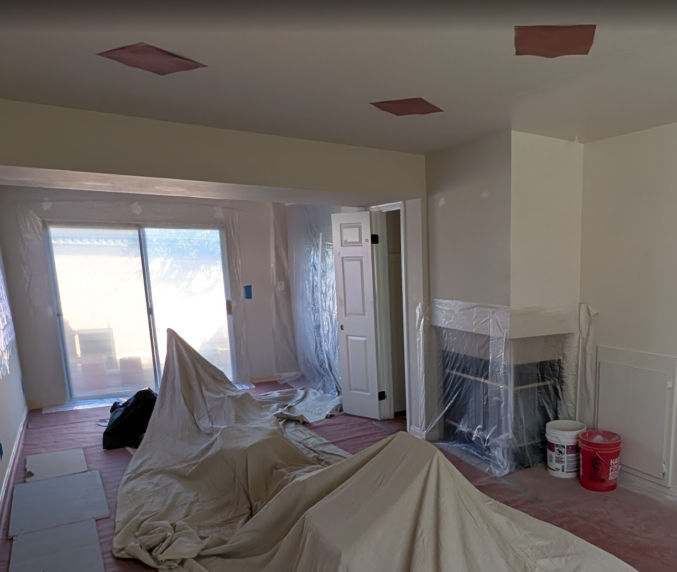
For other surfaces that could fit under one piece of red rosin paper, I’ll use that paper. Otherwise, for surfaces that are too large for the red rosin paper, I’ll use the plastic.
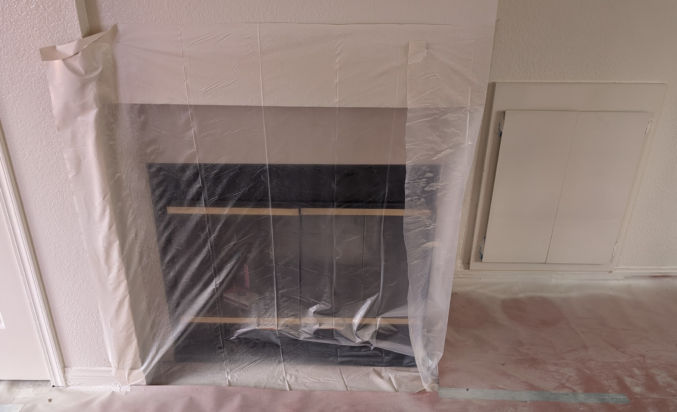
For the floor, I use red rosin paper taped to the top of the baseboard and I’ll use a plastic and fabric drop cloth for the middle of the floor.
Paint Sprayer
For painting, I use the Graco Magnum X5 Airless 3000 PSI Stand Paint Sprayer. It works well. Just make sure to clean it when done so the paint doesn’t cause clogs. Also, when you
Here’s the quickstart guide.

When screwing the spray tip guard assembly to the gun, make sure to only tighten by hand. If you tighten with a wrench, it may be too tight, preventing paint from coming out.
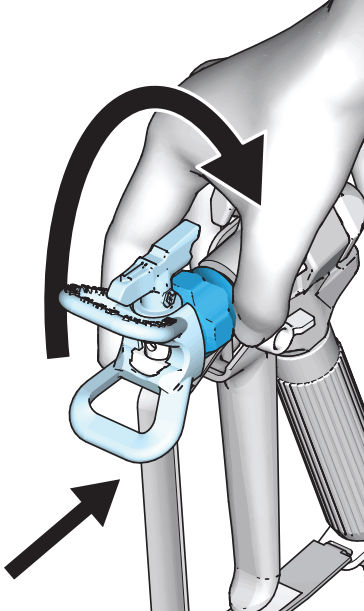
One way to tell if you’ve tightened it too tight is if you are unable to rotate the tip from the spray to the unclog position using your hand.
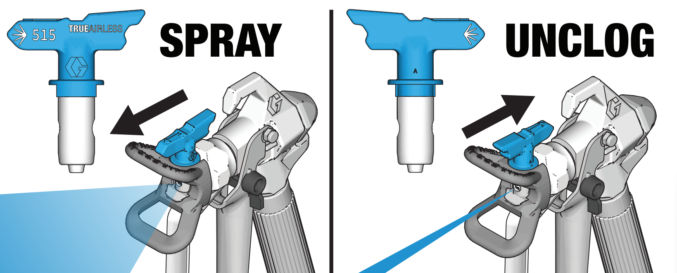
If you’re having trouble spraying paint, you might need to replace one or more parts, like the spray tip, spray gun and tip, and hose. Start with replacing the spray tip first since it’s cheaper than the other parts.
Clothing
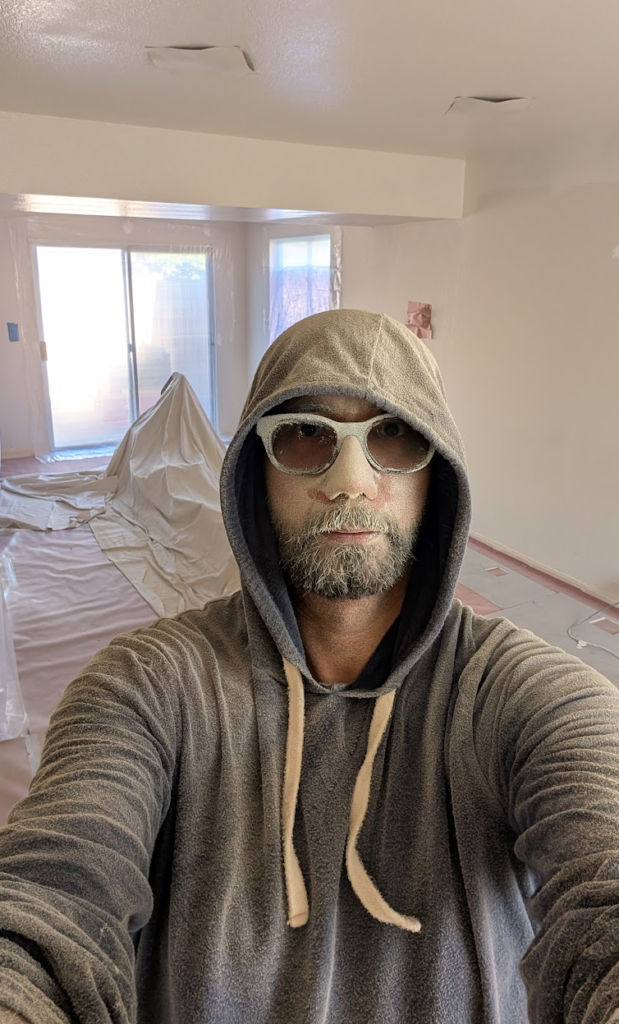
When spray painting, paint particles can go everywhere. You can buy and wear a painter’s coverall, but they are very uncomfortable. Instead, I recommend wearing sacrificial clothing that you don’t mind getting paint on. I wear a long-sleeve shirt with a hoodie so I can cover my arms and hair, leaving only my hands and face exposed to paint particles. If you wear glasses, I also recommend wearing old glasses that you don’t mind getting paint on.
Removing masks
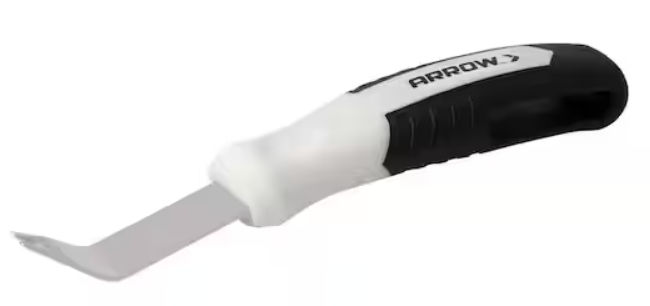
When removing plastic or red rosin paper that was stapled to a surface, I recommend using a staple puller. It makes removing staples and nails much easier than using other methods.
Painting Masked Areas
When you’re done spray painting and removing all masks, you can easily paint any masked surfaces manually using a paint roller.